Professional hive-making machinery is a critical driver for positive Social Life Cycle Assessment (S-LCA) outcomes by fundamentally improving labor conditions and occupational safety.
In the framework of S-LCA, these machines transition hive production from hazardous, manual woodworking to controlled, ergonomic environments. This mechanization directly reduces occupational health risks—a key social sustainability indicator—while providing the technical foundation for standardized, scalable beekeeping operations.
Core Takeaway: Professional machinery transforms beekeeping from a high-risk manual craft into a safe, standardized industry, directly improving the "Labor Practices" and "Human Rights" categories within a Social Life Cycle Assessment.
Enhancing Labor Conditions and Worker Safety
Reducing Occupational Hazards
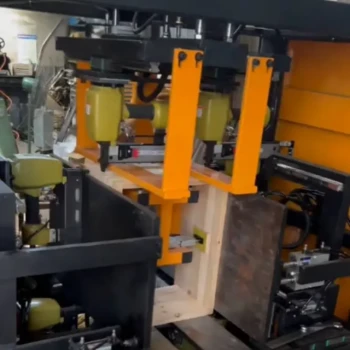
The primary role of professional machinery in S-LCA is the mitigation of physical risks associated with traditional hive construction. By automating cutting and assembly, these tools significantly decrease the frequency of woodworking injuries and long-term strain.
Improving Ergonomic Environments
Industrial-grade machinery is designed to optimize the physical interaction between the worker and the equipment. This focus on ergonomics ensures a more comfortable workplace, which is a vital metric when evaluating the social impact of a production cycle.
Standardizing Health and Safety Protocols
The use of specialized machinery allows for the implementation of consistent safety standards that are difficult to maintain in decentralized manual workshops. This consistency makes it easier for organizations to monitor and report on social performance indicators.
Supporting Sustainable Livelihoods and Communities
Empowering Disadvantaged Groups
High-precision machinery enables rural communities and disadvantaged groups to establish sustainable livelihoods by producing high-quality infrastructure. This fosters economic independence and supports the preservation of local beekeeping traditions through modern efficiency.
Lowering Barriers to Entry
By utilizing local wood resources and precise processing, operators can reduce the costs of equipment procurement. This self-sufficiency supports a circular economy model, reducing a community's dependence on expensive external suppliers.
Scaling Regional Production
The ability to produce standardized hives in large batches allows apiaries to transition into commercial-scale units. This scalability drives regional economic growth and creates more stable employment opportunities within the beekeeping sector.
The Impact of Hardware Standardization
Ensuring Equipment Interchangeability
Specialized machines ensure that hive frames and components are uniform and interchangeable. This standardization is a prerequisite for scientific beekeeping, as it simplifies management and reduces the time required for hive inspections.
Minimizing Biological Stress
Standardized hives provide an optimal micro-environment for bee colonies, reducing mortality rates during overwintering. From an S-LCA perspective, healthier colonies lead to more stable income for beekeepers and better food security for the surrounding community.
Enhancing Downstream Efficiency
Precise hive structures are the foundation for mechanized honey extraction. When hives are built to exact specifications, beekeepers can utilize modern harvesting equipment, significantly increasing the overall efficiency of the honey supply chain.
Understanding the Trade-offs
The Challenge of Initial Capital Investment
While machinery improves social outcomes, the high upfront cost can be a barrier for small-scale distributors or cooperatives. This requires a strategic approach to financing or bulk-sourcing to ensure the long-term social benefits are realized.
Requirements for Technical Expertise
Operating and maintaining professional machinery requires specialized training. Without a commitment to worker education, the introduction of complex hardware can lead to downtime or safety risks if the equipment is handled incorrectly.
Dependence on Local Infrastructure
Industrial machinery often requires stable power and maintenance support. In remote regions, the lack of infrastructure can negate the social gains of mechanization if the machines cannot be operated consistently.
Making the Right Choice for Your Goal
As a distributor or wholesaler, selecting the right machinery is about balancing immediate production needs with long-term social and economic sustainability.
- If your primary focus is improving regional labor standards: Invest in machinery with advanced safety features and ergonomic controls to maximize S-LCA health and safety scores.
- If your primary focus is rapid market expansion: Prioritize high-capacity, automated systems that ensure standardization across thousands of units to facilitate large-scale honey production.
- If your primary focus is cost-efficiency for end-users: Select versatile machines that can process various local wood types, allowing beekeepers to reduce procurement expenses through self-production.
By integrating professional machinery into the beekeeping lifecycle, you establish a foundation for a safer, more productive, and socially responsible industry.
Summary Table:
| S-LCA Impact Category | Role of Professional Machinery | Strategic Benefit for B2B |
|---|---|---|
| Labor Practices | Replaces manual woodcutting with automated, safe systems. | Reduced liability & improved worker retention. |
| Health & Safety | Standardizes ergonomic environments and safety protocols. | High-quality, certified production standards. |
| Community Development | Enables rural scaling through efficient local production. | Rapid expansion of regional market footprint. |
| Economic Growth | Lowers entry barriers by utilizing local wood resources. | Higher profit margins & supply chain stability. |
Partner with HONESTBEE to Elevate Your Beekeeping Supply Chain!
As a premier global supplier for commercial apiaries and distributors, HONESTBEE offers a comprehensive one-stop sourcing solution for the entire beekeeping industry. From specialized hive-making and honey-filling machinery to essential consumables and cultural merchandise, we empower your business with high-performance hardware and premium trading services.
Why Choose HONESTBEE?
- Full-Spectrum Portfolio: Everything you need, from heavy machinery to specialized beekeeping tools.
- B2B Optimized: Ultra-fast delivery, efficient order fulfillment, and dedicated OEM/ODM support for wholesalers.
- Industry Expertise: Rapid response times and professional guidance to ensure your clients achieve peak productivity and safety standards.
Ready to scale your operations with a reliable partner?
Contact HONESTBEE today to discuss your wholesale requirements!
References
- Mohammad Hariz Abdul Rahman, Norsyuhaida Ahmad Shafawi. Systematic Literature Review on the Application of the Life Cycle Sustainability Assessment in Agricultural Production. DOI: 10.20900/jsr20240069
This article is also based on technical information from HonestBee Knowledge Base .
Related Products
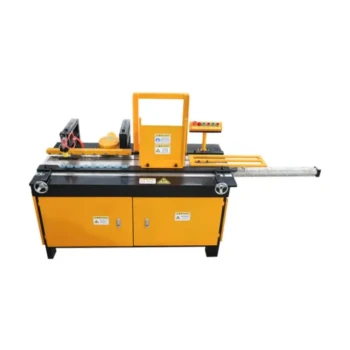
- High-Efficiency Pneumatic Bee Hive Making Machine for Rapid Box Assembly
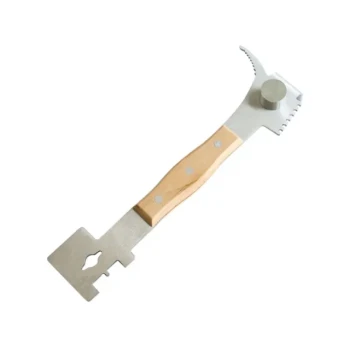
- Professional Stainless Steel Pry-Bar Hive Tool
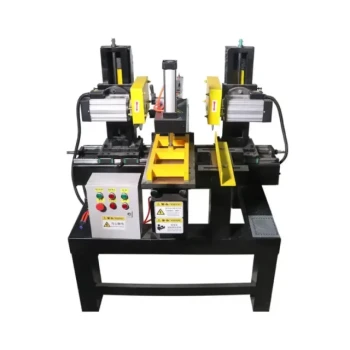
- Beehive Handle and Frame Rest Cutting Machine: Your Specialized Hive Machine
- HONESTBEE Professional Long Handled Hive Tool with Precision Cutting Blade
- HONESTBEE Professional Mini J-Hook Hive Tool for Beekeeping
People Also Ask
- How does the introduction of professional beehive-making machinery benefit sustainable beekeeping? Scale Your Apiary
- Why is specialized beehive-making machinery critical for low-defense breeding? Enhance Selection with Precision Tools
- How does the introduction of specialized beehive making machinery contribute to increasing the scale of regional beekeeping industries?
- What is the importance of specialized beehive making machinery in a circular bio-economy? Build Local Sustainability
- Why is specialized beehive-making machinery essential? Scale Your Apiary with Precision Industrial Standards