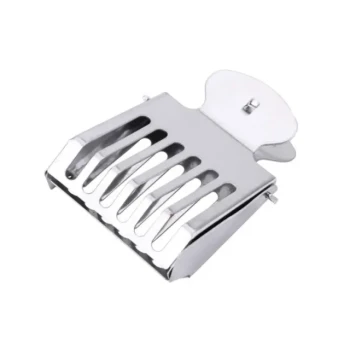
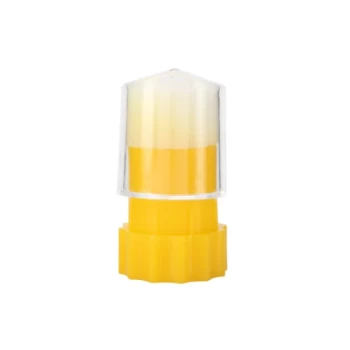
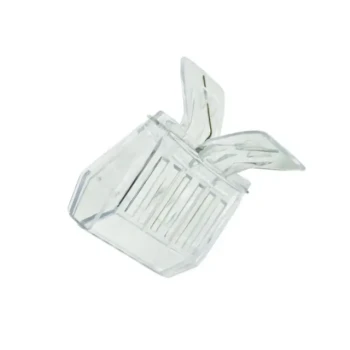
Marking and wing-clipping queen bees are essential diagnostic protocols used to establish a reliable chain of custody for colony leadership. By applying a specific color code and trimming the wings, beekeepers can instantly distinguish between the original mated queen and a natural replacement, enabling precise monitoring of colony dynamics.
Core Takeaway These physical identifiers act as a status indicator for the hive's stability. Identifying an unmarked queen or one with intact wings provides immediate, irrefutable evidence of queen replacement, supersedure, or swarming attempts, allowing apiarists to correlate queen failure with overall colony mortality.
The Mechanics of Identification
Rapid Visual Location
In a colony teeming with thousands of insects, locating a single queen is a challenge. Marking the queen with specialized paint allows beekeepers to quickly spot her during inspections.
This reduces the time the hive must remain open, minimizing disturbance to the colony structure.
Verifying Genetic Continuity
Wing-clipping and marking serve as a biological "serial number." This ensures that the queen currently laying eggs is the original mated queen introduced by the beekeeper.
For researchers and breeders, this is critical for maintaining the accuracy of genetic data within a managed population.
Diagnosing Colony Dynamics
Detecting Natural Replacement
The presence of a queen without a paint mark or with fully intact wings is a significant data point. It indicates that the original queen has been lost or superseded by the colony.
This visual cue alerts the beekeeper that a natural queen turnover has occurred without human intervention.
Evaluating Swarming Behavior
These modifications are vital for analyzing the aftermath of swarming events. If the marked, clipped queen is missing, or an unmarked queen is present, it provides evidence of a failed swarming attempt or a successful departure.
This data is essential for evaluating how queen failure events impact the overall mortality rates of the colony.
Common Pitfalls to Avoid
Misinterpreting the "New" Queen
Finding an unmarked queen is not a random occurrence; it is a specific signal of colony instability or transition.
Failing to recognize this shift can lead to incorrect assumptions about the colony's genetic stock or age.
Inconsistent Application
The value of this system relies entirely on consistency. If a beekeeper fails to mark a queen or clip wings upon introduction, the ability to diagnose future supersedure or swarming events is lost.
Without these identifiers, it becomes impossible to differentiate between a failing old queen and a vigorous new one.
Making the Right Choice for Your Goal
To effectively utilize these management techniques, align your actions with your specific objectives:
- If your primary focus is Genetic Integrity: Regularly inspect for the marked queen to verify that the colony's lineage has not been altered by an unobserved supersedure.
- If your primary focus is Mortality Analysis: Use the presence of unmarked queens or intact wings as a primary metric to track queen failure rates and their correlation with colony survival.
Consistent marking and clipping transform the queen from a hidden variable into a clear indicator of hive health and history.
Summary Table:
| Feature | Purpose | Management Value |
|---|---|---|
| Paint Marking | Rapid identification | Reduces inspection time and hive disturbance. |
| Wing Clipping | Tracking queen lineage | Irrefutable proof of queen replacement or supersedure. |
| Color Coding | Age verification | Correlates queen performance with age and vitality. |
| Identifier Presence | Stability indicator | Detects swarming attempts and colony mortality trends. |
Maximize Your Apiary Efficiency with HONESTBEE
Maintaining a productive commercial apiary requires precision tools and reliable data. At HONESTBEE, we specialize in supporting commercial beekeepers and distributors with a comprehensive range of high-quality equipment designed for professional colony management.
Whether you need specialized marking tools, hive-making machinery, or honey-filling systems, our wholesale portfolio is tailored to help you scale your operations and ensure genetic integrity across your hives. From durable hardware to essential industry consumables and honey-themed cultural merchandise, we provide the full spectrum of solutions to drive your business forward.
Ready to elevate your beekeeping business? Contact us today to explore our wholesale offerings and discover how our expertise can enhance your apiary’s success.
References
- Dennis vanEngelsdorp, Jeffery S. Pettis. Idiopathic brood disease syndrome and queen events as precursors of colony mortality in migratory beekeeping operations in the eastern United States. DOI: 10.1016/j.prevetmed.2012.08.004
This article is also based on technical information from HonestBee Knowledge Base .
Related Products
- Heavy Duty Stainless Steel Queen Bee Catcher Clip
- Plastic Long Marker Device for Catching and Marking Bees Queen Bee Marking Tube and Cage
- Queen Bee Marking Pen POSCA Queen Marking Pens for Beekeeping Bee Markers
- Queen Bee Marking Pen UNI Medium Point for Queen and Bee Marking
- One Hand Yellow Queen Marking Catcher Tube Cage Beekeeper Tool Accessory for Queen Bee
People Also Ask
- What is the function of a queen clip catcher? Ensure Safe Queen Handling & Protect Your Colony
- What are the dual functions of queen bee catchers? Protect Your Queen with Isolation & Precision Management
- What are the advantages of using a queen clip catcher? Protect Your Queen with Precise, Stress-Free Handling Tools
- What is the function of queen clip catchers? Safely Handle Your Queen Bee
- What is the purpose of a queen catcher in beekeeping? Safely Handle Your Queen Bee