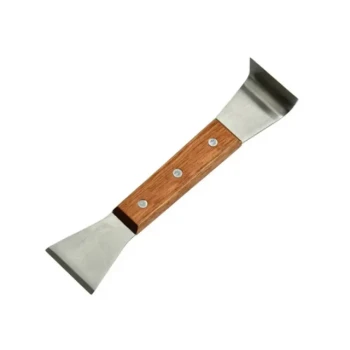
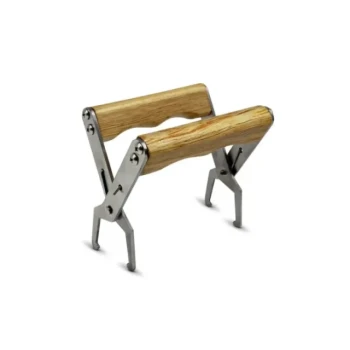
Specialized Hive Inspection Tools are the fundamental instruments required for low-impact apiary management. Specifically, hive tools utilize mechanical leverage to separate components sealed by propolis without damaging the structure, while smokers deploy cold smoke to disrupt alarm pheromones, allowing for safe and precise colony intervention.
By neutralizing defensive behaviors and enabling the mechanical separation of hive parts without force, these tools transform maintenance from a disruptive intrusion into a controlled, non-destructive process.
The Mechanics of Structural Access
Overcoming the Propolis Seal
Honeybees naturally seal crevices and adhere hive components together using a resinous substance called propolis. This creates a bond that is difficult to break by hand without causing jarring vibrations.
Precise Separation via Leverage
The hive tool is designed with sharp edges and high-strength materials to apply precise leverage against this seal. It allows you to pry open covers and separate frames that are tightly adhered.
Preventing Equipment Damage
Using a specialized tool prevents physical damage to the wooden hive structure that would occur with forceful manual handling. It also allows you to scrape away excess wax and propolis to maintain proper spacing within the box.
Managing Colony Biology and Safety
Disrupting Alarm Pheromones
The smoker serves a biological function rather than a mechanical one. It generates cold smoke which disrupts the chemical transmission of alarm pheromones between bees.
Inducing a Calm State
By masking these defense signals, the smoke induces a calm state within the colony. This suppression of defensive behavior is critical for preventing mass stinging events during inspection.
Facilitating Real-Time Monitoring
When the colony is calm, you can perform real-time monitoring and precise interventions. This minimizes stress on the bees and significantly lowers bee mortality during the management process.
Operational Requirements and Trade-offs
The Necessity of Tool Maintenance
These tools are not "set and forget" instruments; their effectiveness relies on their condition. Hive tools must be sanitized regularly to prevent cross-contamination and replaced if the edges become worn or damaged.
Smoker Reliability
A smoker requires active maintenance, including the clearing of old debris and regular functionality checks. A malfunction during an inspection can lead to an immediate loss of control over colony behavior.
Making the Right Choice for Your Goal
To maximize the effectiveness of your routine maintenance, consider the specific function of each tool relative to your objectives:
- If your primary focus is Equipment Longevity: Prioritize the precise use of the hive tool to separate components, as this prevents the structural damage caused by prying frames apart by hand.
- If your primary focus is Colony Health and Safety: Focus on the proper application of cool smoke, as this is the primary mechanism for lowering bee stress and preventing mortality during inspections.
Mastering these tools ensures that your interventions remain efficient, safe, and minimally invasive.
Summary Table:
| Tool | Primary Role | Key Mechanism | Impact on Management |
|---|---|---|---|
| Hive Tool | Structural Access | Mechanical Leverage | Prevents equipment damage; breaks propolis seals. |
| Smoker | Behavioral Control | Pheromone Disruption | Neutralizes defensive behaviors; reduces bee stress. |
Elevate Your Apiary Operations with HONESTBEE
As a leading wholesale partner for commercial apiaries and distributors, HONESTBEE provides the full spectrum of high-quality beekeeping tools and industrial machinery. From specialized hardware like hive-making and honey-filling machines to essential industry consumables and honey-themed cultural merchandise, our comprehensive portfolio is designed to scale your business efficiently.
Ready to streamline your production and supply chain? Contact our expert team today to explore our wholesale offerings and discover the value we bring to your professional operations.
References
- Dereje Tulu, Esayas Mendesil. Improved beekeeping technology in Southwestern Ethiopia: Focus on beekeepers’ perception, adoption rate, and adoption determinants. DOI: 10.1080/23311932.2020.1814070
This article is also based on technical information from HonestBee Knowledge Base .
Related Products
- Professional Multi-Function Stainless Steel Hive Tool
- Professional Stainless Steel Pry-Bar Hive Tool
- HONESTBEE Professional Long Handled Hive Tool with Precision Cutting Blade
- Professional Dual-End Stainless Steel Hive Tool for Beekeeping
- Stainless Steel J Hook Hive Tool for Beekeeping
People Also Ask
- Why are professional hive tools considered indispensable? Master Beekeeping Maintenance with Precision Leverage
- What is the role of professional hive tools in routine apiary maintenance? Expert Tips for Hive Health and Longevity
- What are the benefits of a multi-functional hive tool? Streamline Your Apiary Workflow with One Tool
- What advantages do multi-functional hive tools offer? Maximize Your Apiary Efficiency and Workflow
- What are the common construction features of hive tools? Key Insights for Superior Beekeeping Efficiency