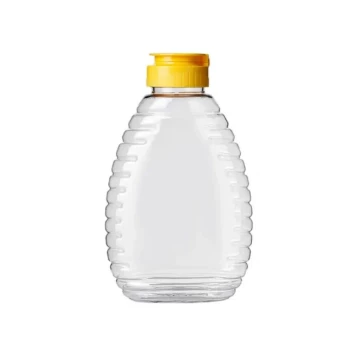
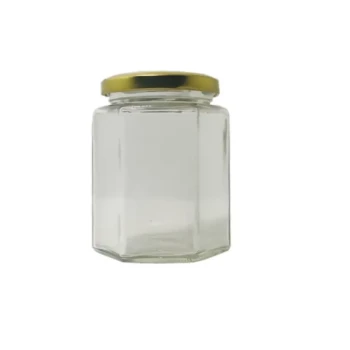
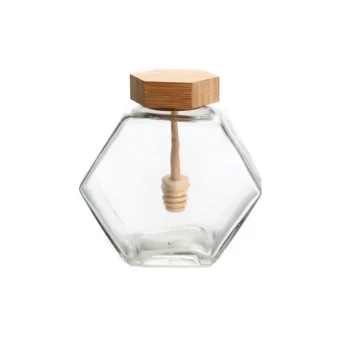
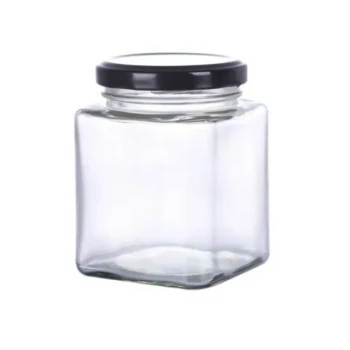
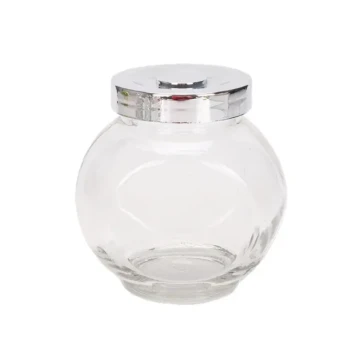
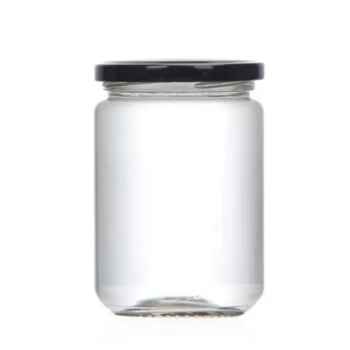
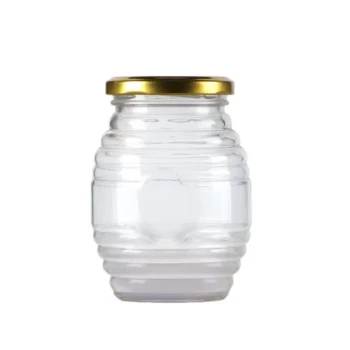
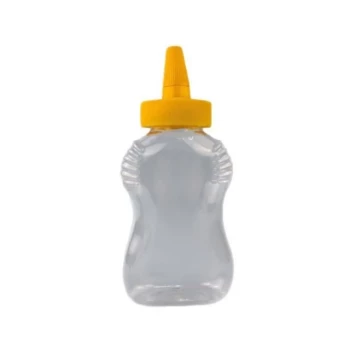
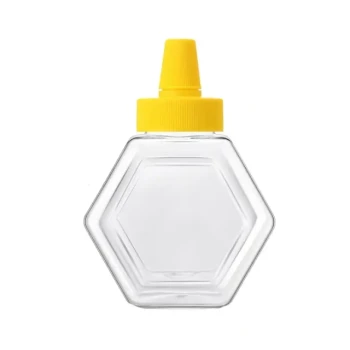
Standardized 4-liter plastic containers and retail-sized jars serve distinct but complementary roles within the honey distribution network. The 4-liter vessels act as the logistics backbone, designed primarily for bulk trade to ensure durability and prevent leakage during transport. Conversely, retail-sized jars function as the consumer interface, focused on accurate measurement and increasing market value through professional presentation.
Core Takeaway: Packaging in the honey value chain is not merely about storage; it is a critical instrument for quality assurance and economic scaling. By isolating the product from environmental contaminants and standardizing measurements, these containers transform raw agricultural yield into a consistent, tradeable commodity.
The Logistics Backbone: Standardized 4-Liter Containers
Ensuring Supply Chain Integrity
Standardized 4-liter plastic containers are the primary physical link between honey collection and the wider market. Their robust design is specifically engineered to prevent leakage and contamination during the rough handling of transport. By using durable materials, producers minimize product loss and maintain the hygiene levels required for downstream market entry.
Facilitating Efficient Logistics
The standardization of these containers allows for streamlined inventory management and shipping. Uniform sizes enable predictable stacking, storage, and handling, which is essential for maintaining high-efficiency supply chain operations. This consistency ensures that bulk honey can be traded and moved with minimal friction between harvesters and processors.
Preserving Chemical Stability
Honey is highly hygroscopic and susceptible to absorbing environmental odors. Food-grade 4-liter containers provide the necessary isolation to block moisture and external smells. This preservation is critical for maintaining the honey's original physicochemical properties and flavor profile before it reaches the bottling stage.
The Consumer Interface: Retail-Sized Jars
Driving Market Value
While bulk containers focus on protection, retail-sized jars are designed to maximize economic returns. A professional, standardized presentation elevates the perceived value of the product, distinguishing it from raw agricultural produce. This visual consistency is often the deciding factor in consumer purchasing decisions.
Enabling Commercial Scalability
The use of standardized retail jars allows producers to utilize automated filling and packaging machines. This transition to automation is a prerequisite for entering high-volume channels like supermarkets. It ensures product sealing, food safety compliance, and the aesthetic consistency required by commercial distributors.
Guaranteeing Measurement Accuracy
Retail jars serve a functional role in providing accurate measurement for the end user. This transparency builds consumer trust and ensures compliance with weights and measures regulations. It allows for a precise unit-based pricing structure that supports retail profitability.
Understanding the Operational Trade-offs
Durability vs. Presentation
The 4-liter plastic container prioritizes durability and shock resistance, making it ideal for logistics but unsuitable for high-end retail display. In contrast, retail packaging often sacrifices some durability for aesthetic appeal, requiring more careful handling during the final mile of distribution.
Crystallization Management
While sealed containers protect against moisture, they can create challenges regarding crystallization if temperature is not managed. Producers must recognize that while a container protects the product from outside contaminants, it does not inherently prevent temperature-induced physical changes like crystallization during long storage periods.
Optimizing Packaging for Value Chain Success
Selecting the correct packaging strategy depends entirely on your position within the supply chain.
- If your primary focus is bulk logistics and transport: Prioritize standardized 4-liter plastic containers to ensure hygiene, prevent leakage, and facilitate efficient inventory handling.
- If your primary focus is maximizing retail margins: Invest in standardized jars compatible with automated filling systems to ensure aesthetic consistency and entry into high-volume markets.
Effective packaging is the invisible infrastructure that secures the quality of the honey and guarantees its commercial viability.
Summary Table:
| Feature | 4-Liter Bulk Containers | Retail-Sized Jars |
|---|---|---|
| Primary Role | Logistics & Supply Chain Backbone | Consumer Interface & Sales |
| Key Benefit | Durability & Contamination Prevention | Brand Presentation & Value Addition |
| Logistics Focus | Easy Stacking & Efficient Transport | Automated Filling & Retail Display |
| Protection | High resistance to leaks and shock | Focus on food safety and sealing |
| Audience | Processors, Wholesalers, Distributors | End Consumers & Supermarkets |
Scale Your Honey Business with HONESTBEE
Maximize your operational efficiency and retail appeal with HONESTBEE’s comprehensive range of beekeeping solutions. As a dedicated partner to commercial apiaries and global distributors, we provide everything from durable bulk storage containers to precision honey-filling machinery and specialized beekeeping tools.
Whether you are looking to streamline your bulk logistics or elevate your brand through professional packaging, HONESTBEE delivers the high-quality hardware and consumables your business demands.
Ready to optimize your honey distribution? Contact us today to explore our wholesale offerings and discover how our expertise can drive your success.
References
- Maher Abdulla Moharram. Honey Value Chain at Al Osaimat District in Ammran Governorate, Yemen. DOI: 10.20428/jss.27.2.5
This article is also based on technical information from HonestBee Knowledge Base .
Related Products
- Food Grade Plastic Honey Bucket Pail for Beekeeping
- Squeezable No-Drip Beehive-Shaped Honey Jars with Flip-Top Cap
- Classic Beehive Honey Bottle Jar with Squeeze Dispenser Lid
- Classic Honey Bear Jars with Flip Top Dispensing Cap for Liquid Sweeteners
- Hexagonal Glass Honey Jars with Metal Lug Caps Elegant Versatile Packaging
People Also Ask
- What key operational precautions should be taken when using honey buckets and extractors fitted with bottom drain taps?
- What functions do food-grade honey buckets perform? Safeguard Your Harvest and Optimize Apiary Logistics
- Why are food-grade plastic buckets preferred for honey? Protect Quality with Modern Honey Collection Tools
- What is the significance of food-grade plastic honey collection buckets? Boost Quality in Forest Honey Logistics
- What is a honey pail? The Essential Container for Protecting Your Honey's Value