Supers and Queen Excluders are the architectural components that separate a colony's biological needs from the beekeeper's production goals. Supers provide the necessary vertical volume to accommodate colony growth and surplus food storage, effectively reducing the density that leads to swarming. Meanwhile, the Queen Excluder acts as a precise filtration system, strictly confining egg-laying to the bottom of the hive to ensure the upper honey reserves remain pure.
Core Insight High-quality honey production requires a strict boundary between the nursery and the pantry. By providing vertical space (Supers) for expansion and a physical barrier (Queen Excluders) for the queen, you simultaneously suppress swarming behavior and guarantee a harvest free of larval contamination.
Managing Colony Density and Expansion
The primary challenge in managing a strong colony is balancing its natural growth with the physical limits of the hive.
Alleviating Overcrowding
Reproductive swarming is often triggered by a lack of space. Supers provide additional vertical expansion space, allowing the colony to move upward rather than becoming congested. By relieving this internal pressure, supers effectively alleviate the biological impulse to swarm.
Creating Storage Capacity
Beyond population management, supers serve as the designated warehouse for surplus nectar. Providing this added volume ensures that the main hive body is not backfilled with honey, which would otherwise compete with space needed for the brood.
Ensuring Purity Through Physical Exclusion
While supers provide the space, the Queen Excluder ensures that space is utilized strictly for honey, not reproduction.
Precise Physical Barriers
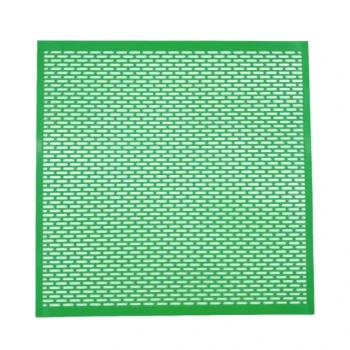
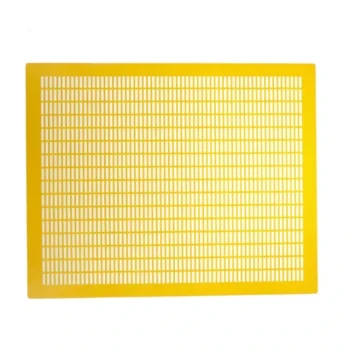
A Queen Excluder relies on precise physical apertures—gaps specifically sized to differentiate between castes. These gaps are large enough for smaller worker bees to pass through freely but too narrow for the larger abdomen of the queen bee.
Protecting the Harvest
By placing this grid between the brood chamber and the supers, the queen is physically restricted to the lower levels. This ensures she cannot enter the upper honey storage area to lay eggs. Consequently, the harvested honey remains free of larvae, pupae, or other brood impurities, significantly enhancing the purity of the final product.
Understanding the Trade-offs and Efficiency
Using these tools is not just about structure; it is about directing the colony's energy and resources efficiently.
Redirection of Resources
Restrictive management can enhance production efficiency. By limiting the queen's range, the colony can redirect energy and food resources—originally intended for feeding vast numbers of larvae—toward the collection and processing of nectar during major flows.
Colony Stability
In specific contexts, such as tropical beekeeping, the excluder plays a role in colony retention. It helps suppress natural instincts to desert the hive or swarm frequently, ensuring the stability required for consistent management and display.
Making the Right Choice for Your Goal
Implementing these tools requires understanding your specific objectives for the apiary.
- If your primary focus is product quality: Install a Queen Excluder to strictly separate brood from storage, ensuring your honey is commercially pure and free of larval contamination.
- If your primary focus is colony retention: Prioritize the timely addition of Supers to provide adequate volume, directly counteracting the overcrowding that drives swarming behavior.
By strategically combining vertical expansion with physical exclusion, you transform a natural biological cycle into a controlled, high-purity production system.
Summary Table:
| Component | Primary Function | Impact on Honey Production |
|---|---|---|
| Honey Supers | Vertical expansion & storage space | Alleviates overcrowding; prevents swarming behavior |
| Queen Excluders | Physical filtration & barrier | Restricts egg-laying to lower chambers; ensures honey purity |
| Worker Bees | Resource collection | Move freely through excluders to process surplus nectar |
| The Queen | Reproduction management | Confined to the brood chamber to prevent larval contamination |
Elevate Your Honey Production with HONESTBEE Professional Equipment
To achieve premium honey purity and efficient colony management, your apiary requires precision-engineered tools. HONESTBEE specializes in supporting commercial apiaries and distributors with a complete wholesale range of beekeeping solutions.
From high-quality honey supers and precision queen excluders to advanced honey-filling machines and specialized hardware, we provide everything you need to scale your operations. Our mission is to help you streamline production and maximize the value of your harvest.
Ready to optimize your apiary or expand your distribution inventory?
Contact HONESTBEE Today to discuss our comprehensive equipment and consumable offerings.
References
- Alemayehu Abebe, Alebachew Habtamu. Analysis of honey production systems in three agro-ecologies of Benishangul-Gumuz, Western Ethiopia. DOI: 10.5897/jaerd2015.0705
This article is also based on technical information from HonestBee Knowledge Base .
Related Products
- High Performance Plastic Queen Excluder for Beekeeping and Apiary Management
- Professional Plastic Queen Excluder for Modern Beekeeping
- Lightweight Durable Plastic Queen Excluder Scraper for Beekeeping
- Metal Queen Bee Excluder for Beekeeping
- Premium Wood Framed Metal Wire Queen Bee Excluder
People Also Ask
- What are the characteristics of a plastic queen excluder? Key Benefits for Cost-Effective Beekeeping
- What are the operational and cost advantages of using plastic queen excluders over metal or wire excluders in commercial hive management? Discover how they reduce labor, prevent wing damage, and lower total costs.
- What types of queen excluders are available for beekeepers? Choose the Right Tool for Your Hive
- Why are standardized hive frames and queen excluders essential for maintaining honey purity and quality? Scale Your Purity
- Do plastic queen excluders work? A Cost-Effective Solution for Modern Apiaries