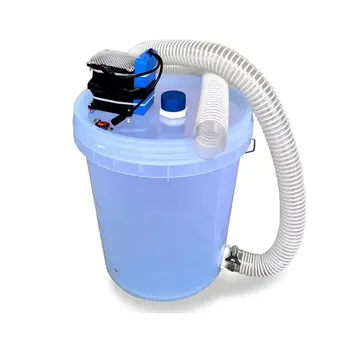
The check valve acts as an automatic safeguard for the structural and chemical integrity of the drying process. Its primary safety function is to immediately seal the gas path if the vacuum pump stops working, effectively isolating the drying chamber from the pump mechanism.
By automatically isolating the drying chamber during a pump failure, the check valve eliminates the risk of oil backflow and pressure surges. This single component is the line of defense between a preserved batch of bee pollen and one ruined by mechanical contamination or environmental exposure.
Preserving the Vacuum Environment
Automatic Isolation
The vacuum drying process relies on a consistent low-pressure environment. If the vacuum pump stops unexpectedly due to power failure or mechanical fault, the check valve automatically shuts off the gas path.
This action must be immediate. It disconnects the drying chamber from the external environment and the pump system the moment active pumping ceases.
Preventing Air Backflow
Without this valve, external air would rush back into the system to equalize the pressure.
The check valve blocks this potential surge of air. This ensures that the low-pressure vacuum environment within the drying chamber remains compromised, even if the active machinery is offline.
Protecting Product Purity
Eliminating Oil Contamination
The most critical risk in many vacuum systems is the backstreaming of pump fluids. When a pump stops, the pressure differential can suck vacuum pump oil backward into the piping.
If this oil reaches the drying chamber, the entire batch of bee pollen is contaminated. The check valve creates a physical barrier that prevents this fluid migration.
Ensuring Chemical Integrity
Bee pollen is a food product that requires high purity.
By preventing mechanical contamination from oil and debris, the check valve ensures product purity. It guarantees that the biological material is not tainted by industrial fluids during equipment downtime.
Critical Considerations and Risks
Reliance on Mechanical Movement
While effective, a check valve is a mechanical device with moving parts.
If debris from the drying process lodges in the valve seat, it may fail to close completely. This would render the safety function useless, allowing backflow despite the valve being present.
The Cost of Failure
Because this valve is the primary barrier against contamination, a failure here is usually catastrophic for the batch.
Regular inspection is necessary to ensure the seal remains tight. A leaking check valve offers a false sense of security while slowly compromising the vacuum quality.
Ensuring System Reliability
To maximize the effectiveness of the check valve in your vacuum drying setup, consider your primary operational goals:
- If your primary focus is Product Safety: Prioritize valves with high-grade sealing materials to guarantee zero leakage of vacuum pump oil into the food product.
- If your primary focus is Process Continuity: Ensure the valve is inspected regularly to prevent sticking, ensuring the low-pressure environment can be held stable during brief power interruptions.
The check valve is not just a connector; it is the essential guardian of product purity in the event of mechanical failure.
Summary Table:
| Safety Function | Key Benefit | Impact on Bee Pollen |
|---|---|---|
| Automatic Isolation | Seals the gas path instantly during power loss | Maintains stable low-pressure environment |
| Backflow Prevention | Blocks external air from rushing into the system | Prevents environmental contamination |
| Oil Barrier | Stops vacuum pump oil from entering the chamber | Eliminates chemical and mechanical contamination |
| Pressure Retention | Holds vacuum levels during equipment downtime | Protects product integrity and batch quality |
Secure Your Apiary’s Production with HONESTBEE
At HONESTBEE, we understand that for commercial apiaries and distributors, equipment reliability is the backbone of your business. A single mechanical failure shouldn't ruin a precious harvest of bee pollen.
We provide a comprehensive wholesale range of beekeeping tools, from specialized honey-filling and hive-making machinery to the essential consumables and vacuum drying components needed to maintain product purity. Whether you are scaling up your processing facility or looking for high-quality hardware that guarantees chemical integrity, we are here to support your growth.
Protect your investment and enhance your efficiency today.
Contact HONESTBEE for Wholesale Solutions
References
- Bui Quoc Khoa, Patricia Tam. Optimization of The Vacuum Drying process for Bee Pollen Using the R method. DOI: 10.54660/ijmcr.2024.3.6.51-56
This article is also based on technical information from HonestBee Knowledge Base .
Related Products
- Honey Gate Valve with Ergonomic Ball Handle Plastic Bee Honey Tap for Beekeeping Bottling and Honey Extractor Equipment
- 30 cm Plastic Entrance Hole Bee Pollen Trap and Collector
- Plastic Honey Gate Spout with Wing Nut for Beekeeping Honey Bucket
- Removable Plastic Pollen Trap With Ventilated Tray for Bees Pollen Collector
- Portable Electric Bee Vacuum with Lithium Battery and 20L Collection Bucket
People Also Ask
- How is the flow of honey controlled using a honey gate valve? Master Precise Bottling and Extraction Techniques
- How do you adjust the flow of honey using a honey gate valve? Master Precision Control for Your Bottling Line
- What is the function of the honey gate on the honey press? Master Clean and Precise Bottling Controls
- What is a honey gate and what is its purpose? Master Precision Bottling and Waste Reduction
- Under what conditions should the honey gate be closed? Prevent Messy Spills and Ensure Extraction Efficiency