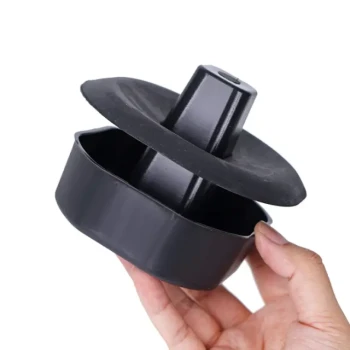
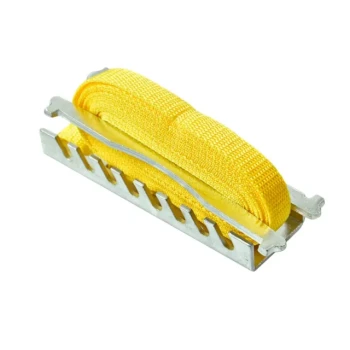
Perimeter security equipment and reinforced beehive structures primarily mitigate the risks of catastrophic asset loss caused by wildlife attacks and human theft. These hardware solutions function as a physical shield, securing the colony against external predation and unauthorized access that could otherwise destroy the hive or disrupt the apiary’s operations.
Core Insight: While personal gear protects the beekeeper, perimeter security and reinforced structures protect the business and the bees. These installations are essential for ensuring operational stability by neutralizing external threats before they reach the colony.
The Core Risks Addressed by Physical Hardening
Preventing Wildlife Predation
In many operating environments, the primary threat to a colony comes from local fauna. Bears, badgers, and other large predators can destroy standard wooden hives in moments to access the brood and honey.
Perimeter fencing creates a requisite first line of defense to deter large animals from entering the apiary grounds.
Reinforced beehive shells provide a secondary layer of armor, making it difficult for persistent predators to breach the hive even if they bypass the perimeter.
Deterring Theft and Vandalism
Apiaries are often located in remote areas, making them vulnerable to human interference. High-quality colonies and honey stores represent significant financial value.
Monitoring systems and fencing act as deterrents against the theft of equipment and biological assets. By securing the site, operators reduce the risk of losing years of genetic breeding and hardware investment to theft.
Ensuring Colony Stability
Beyond immediate destruction, security breaches cause severe stress to the colony. A toppled or opened hive exposes bees to the elements and disrupts their internal ecosystem.
Reinforced structures maintain a controlled and secure habitat, preventing the "ecological balance" of the colony from being disrupted by external physical trauma.
The Role of Environmental Protection
Weather Resistance
Reinforced structures do more than stop claws and hands; they address the risk of environmental exposure.
Standard hives may be vulnerable to high winds or falling debris. Reinforced shells offer superior structural integrity, protecting the colony from adverse weather conditions that could compromise a weaker hive.
Disease and Stress Management
By preventing physical intrusion, these systems indirectly support disease management.
A secure, undisturbed hive allows for routine maintenance and monitoring without the chaotic interruptions caused by animal attacks. This consistency is vital for early disease detection and efficient production management.
Understanding the Trade-offs
Asset Safety vs. Operator Safety
It is critical to distinguish between protecting the site and protecting the worker.
Perimeter security and reinforced hives preserve the assets (bees and honey). They do not replace the need for high-quality Personal Protective Equipment (PPE).
The Limits of Hardware
While reinforced structures protect against external brute force, they cannot mitigate internal risks such as swarm management or internal parasites.
Invest in these structures to solve external security problems, but rely on standard husbandry practices and professional PPE—suits, veils, and gloves—to manage biological risks and prevent operator injury during inspections.
Making the Right Choice for Your Goal
To maximize the return on your security investment, align your hardware choices with your specific operational environment.
- If your primary focus is wildlife defense: Prioritize reinforced hive shells and electrified perimeter fencing to withstand physical brute force from predators.
- If your primary focus is asset protection (anti-theft): Focus on perimeter monitoring systems and lockable fencing to deter human intrusion and secure high-value equipment.
Physical security is the foundation of a resilient apiary, ensuring that your colonies survive external threats to remain productive and profitable.
Summary Table:
| Threat Category | Security Solution | Risk Mitigated |
|---|---|---|
| Wildlife Predation | Perimeter fencing & reinforced shells | Prevents hive destruction by bears, badgers, and predators. |
| Human Interference | Monitoring systems & lockable fencing | Deters theft of high-value biological assets and equipment. |
| Extreme Weather | Structural hive hardening | Protects colonies from high winds, falling debris, and exposure. |
| Colony Stress | Secure site perimeter | Maintains ecological balance by preventing physical trauma and intrusion. |
Secure Your Apiary’s Future with HONESTBEE
Protecting your commercial investment requires more than just standard gear—it demands industrial-grade resilience. HONESTBEE specializes in supporting commercial apiaries and distributors with a comprehensive range of professional beekeeping tools, hive-making machinery, and essential consumables.
Whether you are looking to harden your site against predators or streamline your honey production with advanced filling machines, we provide the wholesale hardware you need to scale safely. From specialized hardware to honey-themed cultural merchandise, we bring global industry expertise to your doorstep.
Ready to fortify your operations and maximize your yields?
References
- Köksal Karadaş, Avni Birinci. Identification of risk factors affecting production of beekeeping farms and development of risk management strategies: A new approach. DOI: 10.1590/rbz4720170252
This article is also based on technical information from HonestBee Knowledge Base .
Related Products
- Professional Galvanized Steel Frame Rest for Beehives
- Langstroth Solid Bottom Board for Beekeeping
- Professional Insulated Plastic Bee Hives
- Professional Ant-Proof Beehive Stand with Integrated Moat for Beekeeping
- Heavy-Duty Stainless Steel Clip-On Frame Perch
People Also Ask
- What are the standard dimensions for frame rests in a beehive? Essential Guide for Perfect Bee Space
- How does balancing the number of frames impact hive productivity? Optimize Your Apiary's Biological Output
- What are the main considerations when choosing between wooden and plastic bee hive frames? Optimize Your Apiary's Efficiency
- How do wooden and plastic hive frames compare in terms of durability? Wood vs. Plastic Longevity & Repairability
- What are the main types of beehive frames used in modern beekeeping? Find the Perfect Fit for Your Apiary