The hive itself needs little space, but the colony needs a large, suitable landscape. Allow enough ground or surface area for the hive base plus approximately one metre of clear working space around each hive for inspections, tools, and removed boxes. More importantly, bees may forage across up to approximately 6,000 acres, traveling several miles from the apiary, so site suitability depends on surrounding forage, water, flight-path safety, and access—not just the hive’s physical footprint.
Core takeaway: A compact hive footprint does not mean a compact site requirement. Plan the apiary around beekeeper access and public safety, then evaluate the wider forage area that will sustain the colonies.
Separate the Hive Footprint from the Apiary Requirement
The physical footprint can be compact
A hive requires only enough ground or surface area to support its base and allow the equipment to remain stable. This makes beekeeping possible in small gardens, rooftops, balconies, and commercial fields, provided the location is structurally suitable and legally permitted.
Urban installations may fit within an area comparable to a garden composter or water barrel, although the hive itself is not the only space that must be considered.
Working clearance is essential
Each hive should have approximately one metre of clear space around it wherever practical. This gives the beekeeper room to stand beside the hive, manipulate frames, place tools, and set down removed hive bodies during inspections.
Closely packed equipment may save floor area but can make routine management slower, less safe, and more disruptive to neighboring colonies.
Plan access for equipment and vehicles
Commercial and multi-hive operations should allow practical access for vehicles, lifting equipment, replacement boxes, feed, protective clothing, and maintenance supplies. A site that accommodates the hives but prevents reliable servicing is operationally inadequate.
For distributors and resellers, this means site planning should account for the complete equipment system—not only hive boxes, but also bases, stands, protective equipment, smokers, tools, and replacement components.
Evaluate the Foraging Range Around the Site
Bees use a broad surrounding landscape
Honey bees may travel miles from the hive to collect pollen and nectar, with a colony’s potential foraging area extending up to approximately 6,000 acres. The relevant question is therefore not simply whether plants exist beside the hive, but whether the broader landscape can provide dependable forage.
Assess nearby gardens, farmland, orchards, woodland, hedgerows, and other flowering areas across the seasons. A site with limited local planting may still work if the surrounding area provides sufficient, continuous forage.
Forage availability matters more than distance alone
The maximum foraging range is not a target that every colony must use. Bees generally benefit when dependable food sources are available closer to the hive, reducing travel demands and helping maintain efficient colony activity.
When comparing potential sites, consider forage quantity, seasonal continuity, and diversity, rather than relying on a single period of abundant bloom.
Water should be included in the site plan
During hot conditions, a colony can consume substantial quantities of water—potentially up to a gallon per day according to the supplied reference. Provide a nearby water source with safe landing areas, such as floats or rough surfaces, to reduce the risk of bees drowning.
Water should be installed before the colony is established where possible, because bees may otherwise adopt an inconvenient source nearby.
Control Flight Paths and Protect Public Areas
Keep hives away from busy routes
Hives should be positioned away from frequently used paths, entrances, roads, and high-traffic work areas. Even where bees are generally calm, routine flight activity can create avoidable conflicts with employees, customers, neighbors, or the public.
A larger setback is preferable where space allows, particularly for commercial, urban, or public-facing locations.
Direct flights upward and away from people
Use hedges, fences, screens, or other physical barriers to encourage bees to rise above head height soon after leaving the hive. Site alignment can also direct flight paths away from walkways and working areas.
Barriers should not obstruct the beekeeper’s access or create overheating and ventilation problems around the hives.
Consider neighbors and operational traffic
Urban and commercial apiaries require more than a suitable hive position. Evaluate how people move through the site, where deliveries occur, and whether inspection work could expose others to concentrated bee activity.
A discrete rooftop or elevated location can reduce interaction with public thoroughfares, but it must also provide safe structural support and practical maintenance access.
Match the Site to Colony and Equipment Needs
Provide useful sunlight and shade
Position hives to receive early morning sun, which can encourage earlier daily activity. Where possible, provide afternoon shade to reduce heat stress during hot periods.
The balance depends on the local climate. Hive placement should support stable colony conditions without compromising ventilation, access, or protection from weather.
Use windbreaks without blocking ventilation
Natural or artificial windbreaks can reduce exposure to strong winds and help stabilize the apiary environment. Suitable options may include vegetation, fencing, or purpose-designed screens.
Wind protection should be deliberate rather than complete enclosure. The site must still allow adequate airflow and leave room for inspections and equipment handling.
Select durable, modular equipment
Hive bodies and related components should be durable enough for the local climate and repeated handling. Modular equipment can simplify inspections, replacement, expansion, and stock management across different apiary sizes.
For B2B supply programs, standardizing compatible hive bodies, bases, covers, and accessories can improve replenishment efficiency and reduce operational complexity.
Understanding the Trade-offs
Compact sites improve space efficiency
Small-footprint apiaries can make productive use of rooftops, gardens, balconies, and other constrained locations. They may also reduce land requirements for urban and commercial operators.
However, limited space increases the importance of careful flight-path control, beekeeper access, structural assessment, and equipment selection.
More clearance improves safety and productivity
Generous spacing makes inspections easier and reduces the risk of damaging equipment or disturbing adjacent colonies. It also provides better room for tools, removed hive bodies, and protective clothing.
The trade-off is lower hive density. Maximizing the number of colonies in a fixed area should not compromise safe access or routine management.
A large forage range does not guarantee adequate forage
A site may technically have access to a wide foraging area while still lacking reliable food at particular times of year. Weather, land use, pesticide exposure, and seasonal flowering patterns can all affect practical forage availability.
Treat the stated range of up to 6,000 acres as a landscape-scale planning reference, not as proof that a site can support any number of colonies.
Urban placement reduces land pressure but raises management demands
Rooftop and balcony installations can keep colonies away from public paths and use otherwise unavailable space. They may also create challenges involving lifting, water supply, wind exposure, heat, and emergency access.
The equipment package should therefore be selected as a complete system, including stable supports, manageable hive components, protective suits, smokers, and safe water provision.
How to Apply This to Your Project
Use the following priorities when assessing an apiary site or specifying equipment for customers:
- If your primary focus is space efficiency: Provide a stable hive footprint plus approximately one metre of working clearance, and consider compact modular equipment for gardens, rooftops, balconies, or other constrained locations.
- If your primary focus is colony productivity: Assess the wider landscape—potentially up to approximately 6,000 acres—for diverse and dependable seasonal forage, rather than judging the site by nearby plants alone.
- If your primary focus is public safety: Place hives away from busy paths and use barriers or alignment to direct bee flight above and away from high-traffic areas.
- If your primary focus is commercial operations: Prioritize vehicle access, equipment-handling space, wind protection, reliable water, and durable hive bodies that support repeatable maintenance.
- If your primary focus is urban installation: Confirm structural support, safe service access, heat and wind management, and a complete space-efficient equipment package before placing colonies.
A successful apiary uses little ground area for the hive but requires thoughtful planning of the entire working site and surrounding forage landscape.
Summary Table:
| Factor | Key Consideration |
|---|---|
| Hive Footprint | Minimal, but add 1m working clearance. |
| Foraging Range | Bees may range up to 6,000 acres (3 miles). |
| Forage Quality | Assess seasonal diversity and continuity. |
| Water Source | Provide up to 1 gallon/day per colony. |
| Flight Paths | Keep away from busy routes; use barriers. |
| Sun & Shade | Morning sun, afternoon shade. |
| Wind Protection | Use windbreaks without blocking airflow. |
| Commercial Access | Plan for vehicles and equipment. |
Ensure your apiary thrives with the right equipment and planning. At HONESTBEE, we provide durable, modular hives and full beekeeping supplies for apiaries and distributors. Benefit from our one-stop sourcing, rapid delivery, and expert support. Contact us today to build your ideal hive setup and meet your supply demands.
Related Products
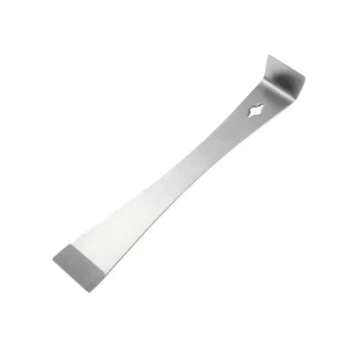
- HONESTBEE Classic Pry Bar Hive Tool with High Visibility Finish for Beekeeping
- Professional Stainless Steel Pry-Bar Hive Tool
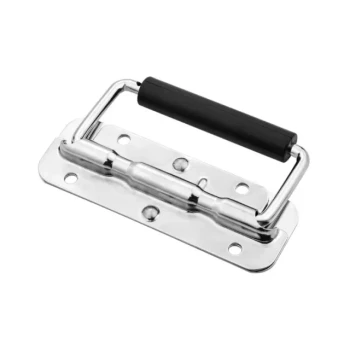
- Ergonomic Two Person Foldable Hive Lifter
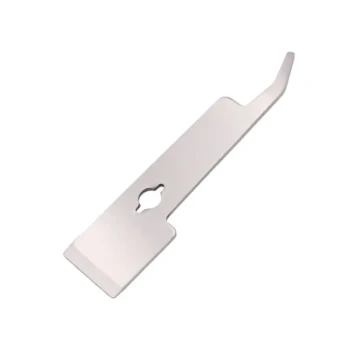
- HONESTBEE Professional Long Handled Hive Tool with Precision Cutting Blade
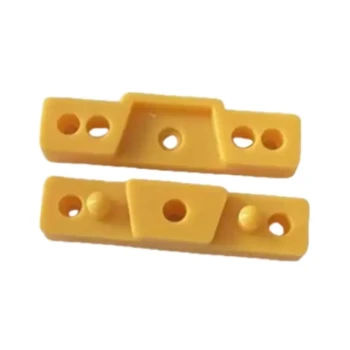
- Durable Plastic Interlocking Hive Connector for Beekeeping
People Also Ask
- What specific challenges do beekeeping hive tools address during hive maintenance? Essential Solutions for Apiaries
- Why are specialized beekeeping tools essential for executing colony health monitoring processes? Enhance Hive Precision
- What are some essential tools for beekeepers? Start Your Apiary with the Right Gear
- What are the essential tools and gear for basic beekeeping? Equip Your Apiary for Success and Safety
- What is the purpose of adding crystalline soda when disinfecting beekeeping tools? Boost Sterilization Efficiency