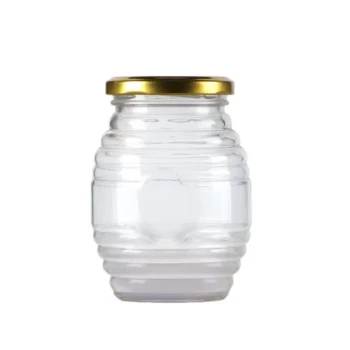
The development of glass-jar beekeeping equipment was driven by a dual necessity: enabling scientific study and streamlining the production of pure comb honey. Historically, this equipment addressed the specific need to observe bee behavior without disruption, while simultaneously solving the labor and hygiene challenges associated with traditional harvesting by allowing bees to package the product themselves.
By placing glass vessels directly onto the hive, beekeepers effectively merged the production and packaging phases, ensuring a contaminant-free product while creating a transparent medium for research.
Drivers of Innovation in Apiary Equipment
The Need for Scientific Insight
A primary driver for this development was the desire for better scientific observation and research.
Traditional hive inspections are invasive and disrupt colony activity. Glass-jar equipment provided a transparent window into the hive, allowing researchers and beekeepers to monitor comb building and storage behavior in real-time without opening the main hive body.
Streamlining the Workflow
This method was developed to address the labor-intensive nature of harvest.
Standard honey production involves removing frames, extracting honey, and bottling it. Glass-jar equipment eliminated the need for manual bottling after harvest. Beekeepers induced the bees to do the "bottling" work themselves by building comb and storing honey directly inside the retail containers.
Prioritizing Hygiene and Quality
Eliminating Contamination Risks
A critical need addressed by this method was the preservation of purity.
Any time honey is transferred from comb to extractor to bottle, there is a risk of introducing impurities. By harvesting the honey in the very jar it would be sold in, this equipment protected the honey from potential contamination that can occur during post-harvest processing.
Producing Jarred Comb Honey
There was a specific demand for whole comb honey, which is delicate and difficult to package manually.
This equipment allowed for the production of jarred comb honey in its most natural state. The bees built the comb structure inside the glass, ensuring the final product retained its structural integrity and aesthetic appeal without human handling.
Operational Considerations
Equipment Specificity
While innovative, this method required a departure from standard hive configurations.
It involved placing glass containers specifically on top of a hive. This setup was necessary to induce the bees to move upward and expand their storage area into the jars, turning the container itself into a functional part of the hive's architecture.
Making the Right Choice for Your Goal
While this historical method offers distinct advantages, its utility depends on your specific objectives in apiculture.
- If your primary focus is Research: This method provides a non-invasive "window" for scientific observation, allowing you to study colony behavior without disruption.
- If your primary focus is Product Purity: The direct-to-jar approach offers the highest standard of hygiene, eliminating the risk of contamination during bottling.
Ultimately, glass-jar beekeeping represents an elegant engineering solution that utilizes the bees' natural instincts to solve the complex problems of harvest labor and food safety.
Summary Table:
| Need Addressed | Solution Provided by Glass-Jar Equipment | Key Benefit |
|---|---|---|
| Scientific Observation | Transparent glass vessels placed on the hive | Non-invasive monitoring of bee behavior |
| Labor Efficiency | Bees build comb and store honey directly in jars | Eliminates manual bottling and extraction |
| Hygiene & Purity | Direct-to-container production | Zero risk of post-harvest contamination |
| Product Aesthetics | Natural comb building inside retail jars | High-value, untouched jarred comb honey |
Elevate Your Apiary Operations with HONESTBEE
At HONESTBEE, we understand that whether you are a commercial apiary focusing on purity or a distributor seeking innovative equipment, the right tools are essential. We provide a comprehensive wholesale range, from specialized hive-making and honey-filling machines to essential industry consumables and beekeeping hardware.
Ready to streamline your production and enhance product quality? Contact us today to discover how our professional beekeeping machinery and equipment can drive your business growth. Let HONESTBEE be your partner in modernizing the sweet tradition of apiculture.
References
- Hannah Nadel. The Quest for the Perfect Hive Kritsky, G. 2010. The Quest for the Perfect Hive. Oxford Univ. Press, Oxford, xii + 198 pp. ISBN 9780-19-538544-1, hardback, $24.95.. DOI: 10.1653/024.093.0331
This article is also based on technical information from HonestBee Knowledge Base .
Related Products
- Classic Glass Honey Jar with Metal Lug Cap for Beehive Storage
- Metal Bee Hive Stand Bee Box Stand for Beekeeping
- HONESTBEE Professional Mini J-Hook Hive Tool for Beekeeping
- Multi-Function Plier-Style Frame Grip Hive Tool
- Stainless Steel Honey Bee Smoker Hive and Honeycomb Smoker for Beekeeping
People Also Ask
- What are the benefits of glass jars regarding strength and safety for storing honey? Ensure Purity and Long-Term Quality
- What are the advantages of using glass jars for honey storage? Ensure Purity and Premium Appeal for Your Product
- What are the benefits of using high-transparency Glass Jars for honey? Elevate Purity and Premium Branding
- What is the aesthetic appeal of using glass jars for honey? Elevate Your Brand with Premium Packaging
- Which container is best for storing honey? Preserve Purity & Flavor with the Right Choice