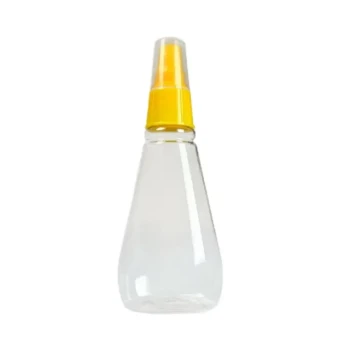
Industrial-grade knapsack sprayers function as the critical delivery mechanism for propolis and honey-based treatments by utilizing precise pressure control to overcome the natural viscosity of these solutions. This capability allows the equipment to atomize the liquid into fine droplets, ensuring the comprehensive plant coverage required to neutralize fungal pathogens effectively.
The efficacy of natural treatments relies as much on physical application as chemical composition; without the atomization provided by industrial-grade pressure, propolis and honey solutions cannot form the continuous protective barrier necessary for disease control.
The Mechanics of Effective Application
Precision Pressure Control
Industrial-grade units, whether manual or electric, offer distinct technical superiority regarding pressure regulation.
Unlike standard garden sprayers, these units maintain the constant, high pressure needed to push viscous extracts through the nozzle. This consistency prevents pressure drops that lead to uneven application or large, ineffective droplets.
Atomization of Viscous Solutions
The primary technical goal when applying honey or propolis extracts is atomization.
High pressure forces the liquid through the nozzle to sheer it into extremely fine droplets. This transformation is essential for maximizing the surface area of the treatment, allowing a small amount of solution to go much further.
Achieving Biological Efficacy
Comprehensive Structural Coverage
To work effectively, the treatment must reach every part of the plant.
The fine mist generated by these sprayers ensures that droplets land not just on the leaf surface, but also coat the stems and inflorescences (flower clusters). This ability to penetrate complex plant architectures is vital for treating pathogens that hide in crevices or on the undersides of leaves.
Establishing a Protective Barrier
The "physical basis" of fungal protection is the uniformity of the coating.
By creating a fine, overlapping mist, the sprayer deposits a continuous film over the plant tissue. This film acts as a shield, physically blocking pathogens from reaching the plant surface.
Direct Pathogen Contact
Fungal neutralization often requires contact killing.
The comprehensive coverage ensures that the active ingredients in the propolis and honey directly contact the fungal spores or mycelium. Without the fine atomization provided by industrial equipment, "blind spots" would remain, allowing the infection to persist.
Understanding the Trade-offs
Viscosity Management
While industrial sprayers handle pressure well, the nozzle orifice remains a bottleneck for thick solutions.
If the honey or propolis solution is not properly filtered or diluted to the correct consistency, even high pressure cannot prevent nozzle clogging. The atomization advantage is lost if the fluid dynamics of the mixture do not match the equipment's specifications.
Equipment Maintenance
The substances used—resinous propolis and sticky honey—can harden inside delicate pump mechanisms.
Industrial-grade sprayers are more durable, but they require rigorous cleaning immediately after use. Failure to flush the system results in polymerized residue that can permanently damage the atomizing components.
Making the Right Choice for Your Goal
To maximize the impact of your natural treatments, align your application technique with your specific objectives:
- If your primary focus is preventing fungal infection: Prioritize high-pressure settings to create the finest mist possible, ensuring a seamless protective barrier on leaves and stems.
- If your primary focus is treating active disease clusters: Ensure you manipulate the wand to coat the inflorescences and stems thoroughly, relying on the sprayer's pressure to penetrate dense foliage.
True protection is achieved when the right solution meets the right physics.
Summary Table:
| Feature | Industrial-Grade Advantage | Benefit for Honey/Propolis Treatments |
|---|---|---|
| Pressure Control | Constant high-pressure regulation | Overcomes viscosity to prevent nozzle clogging and uneven flow. |
| Atomization | Fine droplet sheer technology | Maximizes surface area for comprehensive plant and pathogen contact. |
| Coverage | Penetrative mist capability | Reaches stems, inflorescences, and undersides to eliminate blind spots. |
| Durability | Heavy-duty pump components | Resists wear from resinous propolis and sticky honey residues. |
Maximize Your Treatment Efficacy with HONESTBEE
As a dedicated partner to commercial apiaries and distributors, HONESTBEE understands that the right equipment is the bridge between a formula and its success. We provide a comprehensive wholesale range of beekeeping tools, specialized machinery, and industrial-grade application equipment designed to handle the unique challenges of honey and propolis-based solutions.
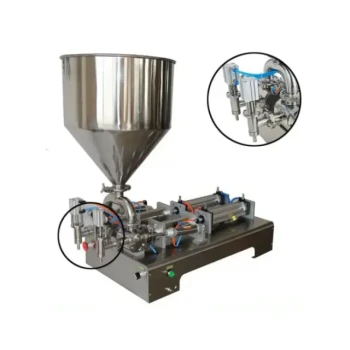
From honey-filling machines to high-performance sprayers and essential industry consumables, our portfolio supports every stage of your operation. Contact us today to discover how our wholesale solutions can enhance your efficiency and protect your yields.
References
- Gomaa Abdel-Wahed, Atef Mohamed. Observation of Powdery Mildew on Safflower in Egypt, and its Control Using Propolis, Diluted Honey and Clove Essential Oil. DOI: 10.21608/sjas.2024.350354
This article is also based on technical information from HonestBee Knowledge Base .
Related Products
- Professional 600D Oxford Cloth Beekeeping Tool Bag with 8 Pockets and Elastic Loops
- Heavy-Duty Ergonomic Grip Galvanized Pollen Shovel
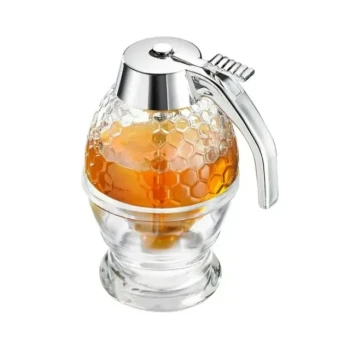
- Honeycomb Style Drip Free Honey Dispenser
- Premium Diamond-Faceted Glass Honey Dispenser
- HONESTBEE Collapsible Tiered Bee Swarm Catcher for Beekeeping
People Also Ask
- What is the recommended method for storing beekeeping tools? Expert Vertical Storage Solutions for Your Apiary
- Why is the treatment of beekeeping tools with high-concentration chemical disinfectants necessary for preventing AFB?
- How does a favorable microclimate interact with beekeeping tools? Boost Overwintering Success and Equipment Longevity
- Proper Beekeeping Tools and Regular Hive Maintenance: How to Mitigate Pest Infestations and Colony Instability?
- What essential beekeeping tools are needed besides the hive? Must-Have Gear for Every Apiary