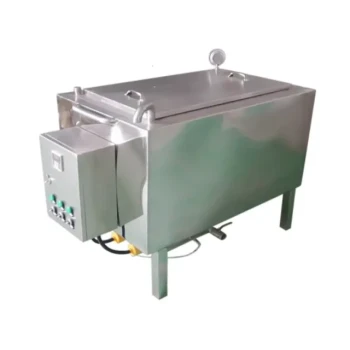
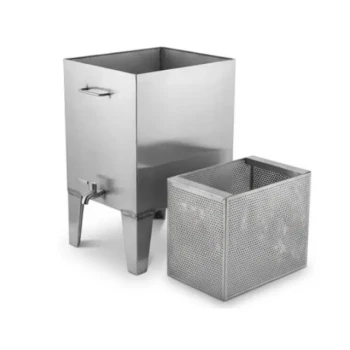
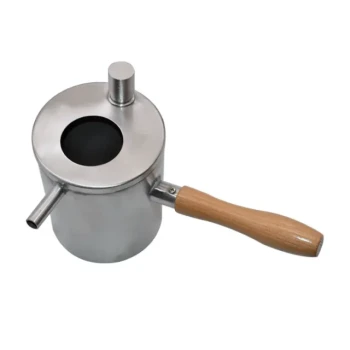
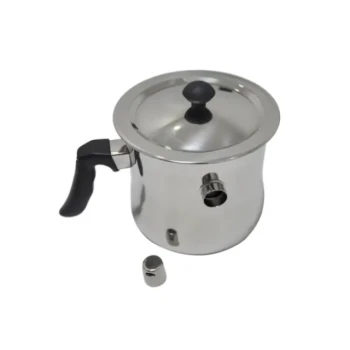
To effectively control Wax Moths, industrial-grade heating equipment must maintain a constant internal temperature of 47°C (116.6°F) for a minimum of one hour. This specific thermal standard is required to eliminate the pest at every life stage—eggs, larvae, pupae, and adults—while ensuring the heat penetrates the entire hive structure.
The core challenge in Wax Moth control is balancing lethality with preservation. Equipment must sustain a 47°C environment long enough to penetrate dense hive materials and kill hidden larvae, yet remain precise enough to leave the wax combs structurally intact.
The Principles of Thermal Eradication
Targeting All Life Stages
Effective treatment relies on complete sterilization.
Wax Moths are resilient, particularly in the egg stage. To ensure the infestation does not return, the heating equipment must be capable of eliminating eggs, larvae, pupae, and adults simultaneously.
Achieving Total Heat Penetration
Surface temperature is insufficient for control.
The equipment must deliver thermal penetration throughout the beehive and spare frames. The target temperature of 47°C must be reached within the deepest recesses of the stored honeycombs where eggs and larvae often hide.
Preserving Equipment Integrity
Protecting Wax Combs
The primary constraint in thermal treatment is the melting point of beeswax.
Industrial equipment must hold the temperature strictly at 47°C. This threshold is lethal to the moth but remains safe for the structural integrity of the wax combs, preventing warping or melting.
Preventing Physical Damage
Larval tunneling is a major cause of equipment loss.
By utilizing high-temperature environments to kill larvae early, you prevent the tunneling damage that destroys wooden components and combs. This extends the lifespan of the hardware for future reuse.
Understanding the Trade-offs
Chemical Independence vs. Energy Cost
Thermal treatment avoids the use of chemical fumigants.
This ensures the equipment remains clean and safe for bees without residue risks. However, it requires reliable energy sources to maintain precise temperatures for the full hour duration, unlike passive chemical treatments.
Precision vs. Efficacy
There is very little margin for error.
If the equipment fluctuates below 47°C, eggs may survive, leading to re-infestation. If it spikes significantly higher, you risk destroying the very combs you are trying to save.
Making the Right Choice for Your Goal
To select the right heating strategy for your operation, consider your primary objective:
- If your primary focus is total eradication: Ensure your equipment has the airflow and sensor accuracy to hold 47°C in the center of the stack for a full hour.
- If your primary focus is equipment longevity: Prioritize thermal controls over chemicals to prevent residue buildup and physical damage from larval tunneling.
By strictly adhering to the 47°C for one hour standard, you secure your hives against pests without compromising their structure.
Summary Table:
| Performance Metric | Requirement | Objective |
|---|---|---|
| Target Temperature | 47°C (116.6°F) | Lethality for all life stages (eggs to adults) |
| Minimum Duration | 1 Hour | Ensure deep thermal penetration into hive materials |
| Temperature Precision | +/- 0.5°C | Prevent wax melting while maintaining efficacy |
| Treatment Focus | Chemical-Free | Zero residue for honey and bee safety |
| Outcome | Structural Integrity | Prevents larval tunneling and equipment damage |
Scale Your Apiary Operations with HONESTBEE
Don't let wax moths compromise your production or equipment longevity. As a specialist provider for commercial apiaries and distributors, HONESTBEE offers the industry's most comprehensive range of wholesale beekeeping tools and machinery.
Whether you need precision hive-making machinery, high-efficiency honey-filling systems, or specialized equipment to maintain the highest thermal standards, we deliver the hardware and consumables your business demands. Partner with us to access professional-grade tools that ensure your hives remain pest-free and productive.
Ready to upgrade your commercial beekeeping inventory? Contact HONESTBEE today to discuss our wholesale solutions and machinery specifications!
References
- Rosa María Licón Luna. Heat and Ozone Use in Beekeeping Practices. DOI: 10.1080/0005772x.2018.1552492
This article is also based on technical information from HonestBee Knowledge Base .
Related Products
- Electric Commercial Beeswax Melter for Factory Use
- Steam Beeswax Melter Wax Warmer for Wax Processing
- Professional Stainless Steel Wax Melter for Beekeeping and Crafts
- Automatic Continuous Heat Sealing Machine
- Beeswax Melter for Candle Making Honey Bee Wax Melter
People Also Ask
- Why might a commercial beekeeper prefer an electric beeswax melter? Maximize Profit with Speed & Scale
- What safety precautions should be taken when melting beeswax? A Guide to Flammable Wax Handling
- What types of beeswax melters are available for different scales of beekeeping? Solar vs. Electric Melters Compared
- What are the three popular methods for melting beeswax? Safely Process Your Wax with Ease
- How do you melt beeswax without making a mess? Master Safe & Clean Techniques