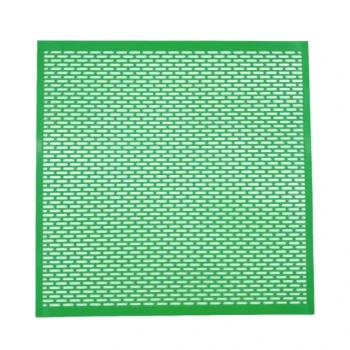
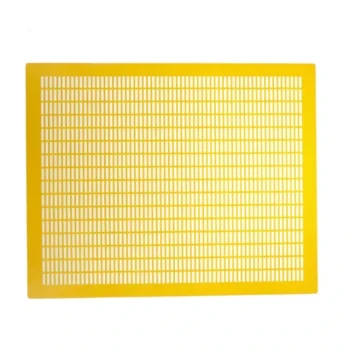
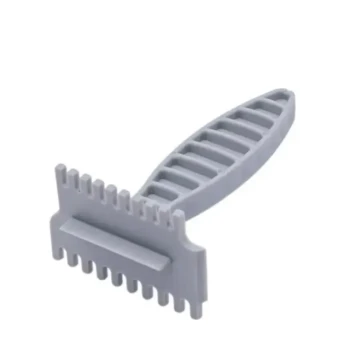
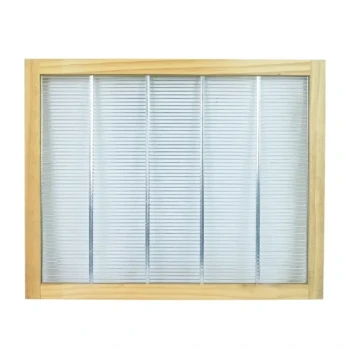
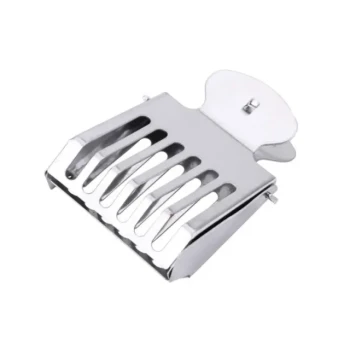
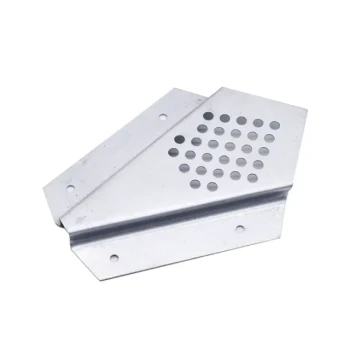
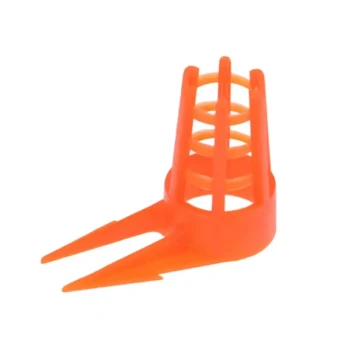
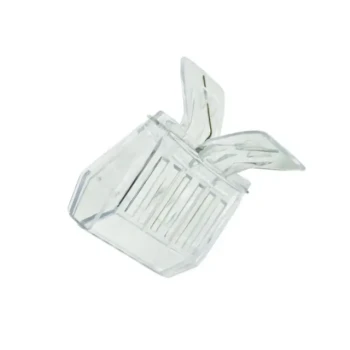
The correct time to install a queen excluder is early in the spring, specifically before the nectar flow begins and the colony starts its major build-up. However, the most critical factor is not the calendar date, but the ambient temperature: you must wait until night-time temperatures consistently remain above 50 degrees Fahrenheit.
The safety of the queen takes precedence over hive organization. While the goal is to prepare for the spring nectar flow, installing an excluder before the weather is consistently warm puts the queen at risk of freezing.
The Critical Role of Temperature
Why 50°F is the Threshold
Honey bees rely on clustering to maintain hive warmth. When temperatures drop, the worker bees huddle together to generate heat.
If you install a queen excluder when nights are still dipping below 50°F, you create a physical barrier between the queen and the heat source.
The Mechanism of Freezing
The worker bees can pass through the excluder to follow the warmth or access honey stores in the upper boxes.
The queen, however, is larger and cannot pass through the grate. If the cluster moves upward away from the cold, the queen is left trapped below the excluder, separated from the colony's heat, where she will freeze and die.
Strategic Timing for Hive Productivity
Pre-empting the Nectar Flow
Once the temperature condition is met, the excluder should be placed before the major nectar flow begins.
This timing ensures that as the bees bring in fresh nectar, they store it in the honey supers above the excluder, rather than filling the brood nest.
Controlling Colony Build-up
Installing the excluder early in the season defines the workspace for the queen.
By restricting the queen to the lower brood chambers before the population peaks, you prevent her from laying eggs in the upper boxes. This keeps your honey harvest clean and free of brood.
Proper Installation Technique
Step-by-Step Placement
To install the device correctly, first remove the honey supers to expose the brood chamber.
Place the excluder directly on top of the brood chamber. It must lie completely flat and fit tightly against the box edges.
Checking for Gaps
Ensure there are no gaps between the excluder and the hive body. Even a small opening allows the queen to bypass the barrier, rendering the excluder useless.
Once confirmed, place the honey supers back on top of the excluder.
Understanding the Trade-offs
Maintenance is Required
Barriers can sometimes slow down the colony. It is important to regularly check the excluder for blockages.
Workers need to move freely to store honey; if the grate becomes clogged with wax or debris, it will hinder the colony's productivity.
The Winter Risk
You must remove the queen excluder after the nectar flow ends and honey has been harvested.
Leaving an excluder on during winter is a fatal error. As the colony consumes honey stores, the cluster naturally moves upward. If the excluder remains, the queen will be trapped below the food and heat source, leading to colony failure.
Making the Right Choice for Your Goal
When deciding your exact installation date, weigh your immediate goals against the environmental conditions:
- If your primary focus is Colony Safety: Wait until the weather forecast shows consistent night lows above 50°F to ensure the queen is never isolated from the cluster.
- If your primary focus is Honey Purity: Install the excluder immediately once weather permits to prevent the queen from expanding the brood nest into your future harvest frames.
Always let the thermometer, not the calendar, determine the precise moment of installation to protect your queen while maximizing your harvest.
Summary Table:
| Factor | Key Requirement | Importance |
|---|---|---|
| Minimum Temperature | Nightly lows above 50°F (10°C) | Prevents the queen from freezing during clustering |
| Floral Timing | Before major spring nectar flow | Ensures honey is stored in supers, not the brood nest |
| Installation Placement | Directly above the brood chamber | Restricts the queen to lower boxes to keep honey clean |
| Winter Maintenance | Must be removed after harvest | Allows the queen to move with the cluster to food stores |
Maximize Your Apiary's Potential with HONESTBEE
At HONESTBEE, we understand that precision beekeeping requires the right tools. Whether you are a commercial apiary scaling up production or a distributor seeking high-quality supplies, we provide a comprehensive wholesale range designed for performance.
Our portfolio includes everything from durable queen excluders and hive-making machinery to honey-filling systems and industry-essential consumables. Partner with us to streamline your operations and deliver professional-grade equipment to your customers.
Ready to upgrade your beekeeping equipment?
Contact Us Today to Discuss Wholesale Solutions
Related Products
- High Performance Plastic Queen Excluder for Beekeeping and Apiary Management
- Professional Plastic Queen Excluder for Modern Beekeeping
- Lightweight Durable Plastic Queen Excluder Scraper for Beekeeping
- Metal Queen Bee Excluder for Beekeeping
- Premium Wood Framed Metal Wire Queen Bee Excluder
People Also Ask
- What are the characteristics of a plastic queen excluder? Key Benefits for Cost-Effective Beekeeping
- What are the operational and cost advantages of using plastic queen excluders over metal or wire excluders in commercial hive management? Discover how they reduce labor, prevent wing damage, and lower total costs.
- What types of queen excluders are available for beekeepers? Choose the Right Tool for Your Hive
- Why are standardized hive frames and queen excluders essential for maintaining honey purity and quality? Scale Your Purity
- Do plastic queen excluders work? A Cost-Effective Solution for Modern Apiaries