The areas of the body most vulnerable to bee stings are the ankles and wrists, particularly where gaps in clothing allow access. Bees often target the ankles first because they fly at the level of the hive entrance, while open wrist cuffs present an easy entry point for insects to crawl inside clothing.
Effective protection relies on mechanically sealing the gaps where clothing meets the skin. By securing pant legs and shirt sleeves, you deny bees access to the sensitive ankle and wrist areas and prevent them from getting trapped inside your clothes.
Understanding High-Risk Zones
Why Ankles are the Primary Target
When bees defend their home, they typically attack at the height of the hive entrance. This puts your ankles directly in their line of sight and flight path.
Because of this positioning, the lower leg is often the first point of contact. Furthermore, wearing dark socks can exacerbate the risk, as the contrast or color often attracts angry bees to that specific spot.
The Vulnerability of the Wrists
The wrists are a critical entry point because shirt sleeves are naturally open. This area is sensitive, but the greater danger is the gap itself.
If a bee enters a loose sleeve, it can become trapped between the fabric and your skin. A trapped bee is far more likely to sting in panic than one on the outside of your clothing.
Securing Your Defenses
Sealing the Lower Body
To protect your ankles, you must create a tight seal between your pants and your footwear. The most reliable method is to secure pant legs using string or strong rubber bands.
Alternatively, you can tuck your pant legs firmly inside your socks or shoes. This creates a physical barrier that prevents bees from crawling up the leg or stinging the ankle directly.
Protecting the Upper Extremities
Similar to the ankles, you must close off the openings at your wrists. Loose sleeves should be tied shut to eliminate gaps.
Effective tools for this include Velcro straps, rubber bands, or specialized wristlets. The goal is to ensure the fabric sits flush against the skin so nothing can slip underneath.
Common Pitfalls to Avoid
The Risk of Color Selection
While sealing your clothing is vital, the color of your base layers matters. As noted, dark socks can act as a target for aggressive bees.
Ensuring your socks are light-colored adds a layer of "passive" protection. Relying solely on mechanical barriers while wearing dark colors may still invite unwanted attention to your ankles.
Incomplete Seals
A loose tuck is often worse than no tuck at all. If you rely on tucking pants into shoes without a securing band, simple movement can dislodge the fabric.
This re-opens the gap without you realizing it. Always verify that your method of securement can withstand the physical movements required by your work.
Making the Right Choice for Your Safety
Before approaching a hive or bee-heavy area, assess your gear setup against these guidelines.
- If your primary focus is quick, temporary protection: Use rubber bands or Velcro straps to rapidly cinch loose cuffs and sleeves.
- If your primary focus is long-duration outdoor work: Tuck pant legs deeply into thick socks or boots to ensure the seal holds up during extensive movement.
By systematically closing these two critical entry points, you dramatically reduce the likelihood of stings and improve your overall safety.
Summary Table:
| Vulnerable Area | Risk Reason | Protection Method |
|---|---|---|
| Ankles | Hive entrance height; dark socks attract bees | Tuck pants into light socks; use rubber bands or string |
| Wrists | Open shirt sleeves; bees get trapped inside | Secure sleeves with Velcro, rubber bands, or specialized wristlets |
| Gap Zones | Loose clothing creates entry points | Mechanical sealing to ensure fabric sits flush against skin |
Maximize Your Apiary Safety with HONESTBEE
Protecting your team from stings is essential for a productive commercial apiary. At HONESTBEE, we empower commercial apiaries and distributors with high-quality, professional-grade beekeeping tools and protective equipment designed to eliminate vulnerabilities.
From durable hive-making and honey-filling machinery to a full spectrum of essential consumables and honey-themed cultural merchandise, we provide the wholesale solutions you need to scale your business safely.
Ready to upgrade your equipment? Contact us today to discuss our comprehensive wholesale offerings and discover how our expertise can benefit your operations.
Related Products
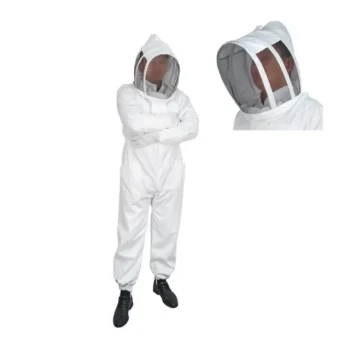
- Premium Cotton Beekeeper Suit with Reinforced Fencing Veil
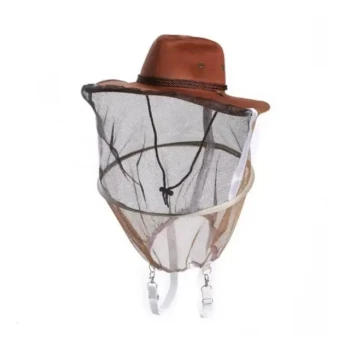
- Premium Cowboy Beekeeper Hat with Visibility Veil Outdoor Professional Beekeeping Protective Gear
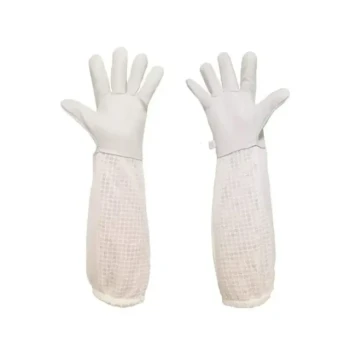
- Beekeeping Gloves Goatskin Leather with Long Cotton Sleeve for Beekeepers
- White Cotton Beekeeping Jacket and Veil for Bee Keepers
- Premium Ventilated Goatskin Beekeeping Gloves with Full 3-Layer Mesh Sleeve
People Also Ask
- What material and design specifications are recommended for a high-quality beekeeper suit? Top Gear Selection Guide
- How to Pre-treat Propolis Stains on Beekeeping Suits? Master Advanced Fabric Care and Soil Removal
- What features should be considered for sting protection in a beekeeping suit? Ensure Total Safety and Comfort
- What are the differences between full suits and jackets with veils in beekeeping? Choose Your Best Protection
- What features should be looked for in a beekeeping suit for maximum comfort? Prioritize Ventilation and Fit