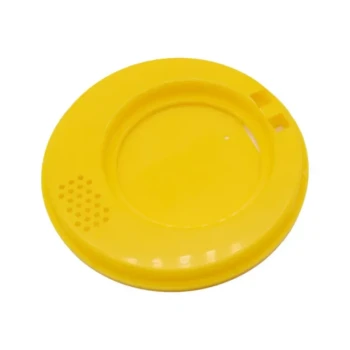
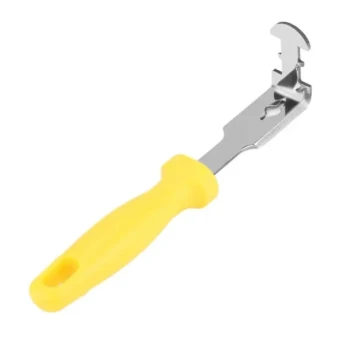
A professional honey bee quarantine kit for investigating fungal diseases, such as Chalk Brood, focuses on establishing a complete preliminary field diagnosis system. The essential toolkit is comprised of magnifying glasses for visual detection, sterile scrapers for material extraction, and a combination of sampling bottles and microscope slides for sample preservation.
The effectiveness of a field investigation relies on maintaining the integrity of the diagnostic chain from the apiary to the laboratory. These tools are selected not just for collection, but to ensure that fungal mycelia and mummified larvae are identified and preserved without contamination.
The Anatomy of a Field Diagnostic System
To investigate fungal pathogens effectively, the toolkit must address three specific phases: visual identification, extraction, and preservation.
Visual Identification Tools
The first step in diagnosing conditions like Chalk Brood is the identification of clinical symptoms. Magnifying glasses are the primary tool used for this purpose. They allow the investigator to closely examine the hive entrance or bottom tray to identify mummified larvae, which are a hallmark sign of fungal infection.
Sterile Extraction Instruments
Once symptoms are located, samples must be taken directly from the source. Sterile scrapers are utilized to extract fungal mycelia samples from infected cells. Using a specialized, sterile tool for this process is critical to avoid introducing external contaminants that could confuse the diagnosis.
Sample Preservation and Transport
The final stage of field investigation is preparing the biological material for detailed analysis. Sampling bottles and microscope slides are used to secure the collected materials. These tools ensure the proper preservation of pathogens, allowing for accurate subsequent identification in a laboratory setting.
Understanding the Constraints
While these tools are essential for investigation, it is important to understand the distinction between field diagnosis and laboratory confirmation.
Preliminary vs. Definitive Diagnosis
The tools in this kit constitute a preliminary diagnosis system. While magnifying glasses allow for strong presumptive evidence (identifying mummies), they do not replace the need for microscopic analysis to confirm the specific pathogen.
Specificity of Tools
This kit is optimized for fungal issues involving stationary samples (larvae/mycelia). It differs from kits designed for diseases like Nosemosis or Varroosis, which often require specialized collection tools for handling live honeybee samples without damaging them. Using the wrong extraction tool for the wrong pathogen type can compromise the sample integrity.
Ensuring Diagnostic Integrity
To maximize the value of your field investigation, match your tool usage to your specific diagnostic goal.
- If your primary focus is rapid detection: Prioritize the use of magnifying glasses to scan hive entrances and bottom trays for mummified larvae before disturbing the colony.
- If your primary focus is laboratory confirmation: Ensure you use sterile scrapers and immediately transfer samples to bottles or slides to maintain the integrity of the diagnostic chain.
By systematically using these basic tools, you transform a simple hive inspection into a scientifically rigorous investigation that protects the health of the apiary.
Summary Table:
| Tool Category | Essential Equipment | Primary Purpose |
|---|---|---|
| Visual Identification | Magnifying Glasses | Detecting mummified larvae and mycelia at the hive entrance. |
| Extraction | Sterile Scrapers | Cleanly removing fungal samples from infected cells without contamination. |
| Preservation | Sampling Bottles & Slides | Securing biological material for transport and laboratory analysis. |
Elevate Your Apiary Management with HONESTBEE
At HONESTBEE, we understand that accurate disease diagnosis is the backbone of a successful beekeeping operation. We provide commercial apiaries and distributors with a comprehensive range of professional-grade beekeeping tools, specialized hardware, and essential industry consumables.
Whether you need precision diagnostic kits, industrial-scale hive-making machinery, or honey-filling equipment, our wholesale solutions are designed to scale your business and protect your colonies. Contact us today to discuss how our high-quality equipment and cultural merchandise can enhance your value to the beekeeping industry.
References
- Sudi Dawud, Birahanu Giza. Diagnostic Survey of Honeybee Diseases, Pests and Predators in Selected Districts of West Hararghe Zone of Oromia, Ethiopia. DOI: 10.11648/j.avs.20241202.11
This article is also based on technical information from HonestBee Knowledge Base .
Related Products
- Plastic Beekeeping Honey Bee Larvae Grafting Tools for Queen Rearing and Chinese Grafting
- HONESTBEE 15-in-1 Beekeeper Multi-Tool with Hammer and Pliers for Beekeeping
- HONESTBEE Professional Mini J-Hook Hive Tool for Beekeeping
- Professional Stainless Steel Pry-Bar Hive Tool
- Economy Galvanized Beekeeping Honey Bee Smoker for Wholesale
People Also Ask
- How do larvae grafting tools and royal jelly production kits contribute to a diversified bee product strategy?
- What happens if a larva is grafted too late? Avoid Scrub Queens and Failed Rearing
- What is the primary function of a Professional Bee Larvae Grafting Tool in queen rearing? Enhance Breeding Efficiency
- What is the grafting method of queen rearing? Master Controlled Queen Production for Your Apiary
- What is the primary function and technical requirement of a larvae grafting tool? Master Precision Queen Rearing