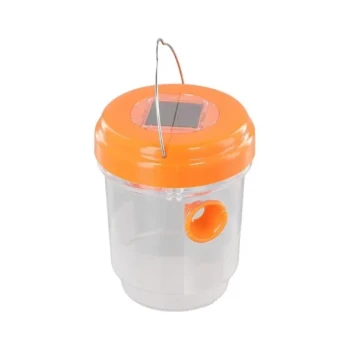
Fluorescent light trapping devices target two specific biological traits: the wandering behavior of the larvae and their response to light, known as phototaxis. These devices capitalize on the brief window when mature larvae are forced to leave the safety of the hive to complete their lifecycle.
By positioning high-brightness lights near beehives, beekeepers can intercept larvae during their vulnerable transition from the colony to the soil. This interrupts the reproductive cycle, preventing the next generation of adult beetles from emerging.
Targeted Biological Vulnerabilities
The Compulsion to Leave the Hive
Small Hive Beetle larvae cannot complete their development entirely within the bee colony.
To survive, they must initiate a wandering behavior during their final developmental stage. This biological imperative forces them to exit the hive to find suitable soil for pupation. Traps exploit this predictable migration event.
Attraction to Light Stimuli
During this exposed wandering phase, the larvae exhibit phototaxis.
This is an instinctual movement in response to light sources. High-brightness fluorescent lights function as a lure, drawing the wandering larvae away from their natural path toward the soil and into the trap.
Understanding the Operational Trade-offs
Impact is Delayed
It is important to note that this method disrupts the life cycle of the next generation.
Because it targets wandering larvae leaving the hive, it does not immediately reduce the number of adult beetles currently infesting the colony. It is a suppression strategy, not an instant cure.
Reliance on Larval Movement
The effectiveness of the trap depends entirely on the larvae reaching the final developmental stage.
If the larvae do not exit the hive—or if they find pupation sites without encountering the light—the control method is bypassed. The trap relies on the biological necessity of the larvae to move outdoors.
Strategic Application for Beekeepers
When integrating light traps into your pest management strategy, consider your specific objectives:
- If your primary focus is long-term population management: Deploy these traps to break the reproductive cycle and significantly reduce the number of emerging adults in the coming season.
- If your primary focus is immediate hive rescue: Recognize that while these traps stop future beetles, they must be paired with in-hive measures to address the adults currently damaging the colony.
By targeting the inevitable migration to the soil, you turn the pest's own biological requirements into a control mechanism.
Summary Table:
| Biological Trait | Larval Behavior | How Traps Exploit It |
|---|---|---|
| Wandering Behavior | Mature larvae must exit the hive to pupate in soil. | Intercepts larvae during their mandatory migration window. |
| Phototaxis | Larvae are instinctively attracted to specific light sources. | Uses high-brightness fluorescent light as a lure into the trap. |
| Pupation Cycle | Larvae require soil to transform into adult beetles. | Prevents larvae from reaching soil, stopping the next generation. |
Secure Your Apiary's Future with HONESTBEE
Don't let Small Hive Beetles compromise your commercial operations. At HONESTBEE, we specialize in empowering commercial apiaries and distributors with professional-grade beekeeping tools and machinery. From advanced hive-making equipment to essential pest management consumables, our comprehensive wholesale offering is designed to scale your success.
Why partner with HONESTBEE?
- Industry-Leading Equipment: Access high-performance honey-filling and hive-processing machinery.
- Global Wholesale Reach: Reliable supply chains for beekeeping hardware and cultural merchandise.
- Expert Solutions: Tailored support for large-scale operations and distribution networks.
Protect your colonies and optimize your yields today. Contact HONESTBEE to explore our wholesale solutions and see how we can strengthen your beekeeping business.
References
- Peter Neumann, Patti J. Elzen. The biology of the small hive beetle (<i>Aethina tumida</i>, Coleoptera: Nitidulidae): Gaps in our knowledge of an invasive species. DOI: 10.1051/apido:2004010
This article is also based on technical information from HonestBee Knowledge Base .
Related Products
- Removable Washable Hive Beetle Trap Attractants for Small Hive Beetles
- Reusable Clear Small Hive Beetle Traps for Beehives Beetle Trapping Tools
- Plastic Beetle Blaster Trap Beekeeping Tools and Supplies
- Reusable Aluminium Beetle Trap for Small Hive Beetles Silver Bullet
- Black Plastic Beetle Barn Hive Beetle Trap for Beehives
People Also Ask
- How should powdered substances be used in beetle traps for hive beetle control? Expert Guide for Maximum Colony Protection
- What are the three main types of hive beetle traps? Expert Solutions for Protecting Your Bee Colonies
- What are the types of hive beetle traps available? Master Your Beetle Control Strategy
- What are the main types of hive beetle traps available? A Beekeeper's Guide to Effective Control
- What are the available chemical-free options for trapping hive beetles? Safe and Effective Pest Management Solutions