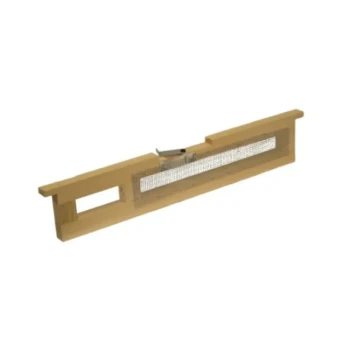
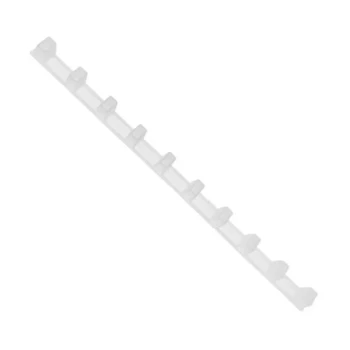
To ensure the safety of your colony, you must strictly avoid painting specific components that form the internal living space of the hive. Specifically, the entrance reducer, all frames, the inner cover, and any screened portions of the bottom board should be left as raw, natural wood.
The interior of a beehive is a closed environment where chemical off-gassing can be detrimental to colony health. Keeping internal components unpainted prevents the contamination of honey and eliminates the risk of bees absorbing toxins through direct contact with treated surfaces.
Critical Areas to Leave Natural
The Rule of the Interior
The overarching principle for hive maintenance is that the interior must remain unpainted. This ensures that the environment where bees live, store food, and raise brood remains free from synthetic chemicals.
Frames and Foundation
Frames are the most critical component to leave natural. Because these hold the wax comb where honey is stored and brood is reared, painting them would introduce chemicals directly into the food supply and the nursery.
The Inner Cover
The inner cover sits directly atop the frames and is essential for hive ventilation and insulation. As bees frequently crawl across this surface, it must remain unpainted to prevent them from picking up residues.
High-Traffic Entrance Zones
The entrance reducer is a high-contact area that manages the flow of traffic into the hive. Because every forager must pass over or against this component, painting it increases the likelihood of widespread chemical exposure to the workforce.
Similarly, while the underside of a bottom board may be treated, the screened portions or the interior floor where bees walk should never be painted.
Understanding the Risks
Chemical Leaching and Contamination
The primary risk of painting internal components is contamination. Paint chemicals can leach into the honey and wax, compromising the purity of your harvest.
Direct Contact Toxicity
Bees are sensitive to environmental toxins. When they crawl over painted surfaces—especially fresh or degrading paint—they risk direct exposure to chemicals that can affect their longevity and the overall vitality of the hive.
Making the Right Choice for Your Goal
When assembling or maintaining your woodenware, distinguish clearly between the protective outer shell and the delicate inner ecosystem.
- If your primary focus is Honey Safety: strict adherence to leaving frames and inner covers unpainted will prevent chemical leaching into your harvest.
- If your primary focus is Colony Health: ensure the entrance reducer and bottom board screens are raw wood to minimize daily chemical contact for foraging bees.
By painting only the exterior and leaving the interior components natural, you strike the perfect balance between equipment durability and colony safety.
Summary Table:
| Component | Painting Status | Reason for Safety |
|---|---|---|
| Frames & Foundation | Unpainted | Prevents chemical leaching into honey and brood wax. |
| Inner Cover | Unpainted | Avoids off-gassing in the high-traffic ventilation area. |
| Entrance Reducer | Unpainted | Minimizes chemical contact for every foraging bee. |
| Screened Bottom Board | Unpainted | Protects bees from absorbing toxins through direct contact. |
| Exterior Box Walls | Painted | Provides weather protection and equipment durability. |
Elevate Your Commercial Apiary with Safe, High-Quality Equipment
At HONESTBEE, we understand that the health of your colony is the foundation of your success. Whether you are a large-scale commercial apiary or a distributor, we provide the precision-engineered tools you need to maintain a safe and productive environment.
Our extensive portfolio includes everything from natural, chemical-free hive components and advanced hive-making machinery to industrial honey-filling systems and premium beekeeping consumables. We help you deliver purity to your customers while maximizing operational efficiency.
Ready to upgrade your wholesale supply? Contact us today to discover how our professional beekeeping solutions can protect your bees and grow your business.
Related Products
- Wooden Bee Hive Frames for Beekeeping and Wholesale
- Assembled Wooden Bee Frames with Plastic Foundation for Durability and Convenience by HONESTBEE
- HONESTBEE Wired and Assembled Wooden Bee Frames Foundation for a Thriving Hive
- Heavy-Duty Stainless Steel Clip-On Frame Perch
- Professional Galvanized Steel Frame Rest for Beehives
People Also Ask
- How do wooden and plastic hive frames compare in terms of durability? Wood vs. Plastic Longevity & Repairability
- How does balancing the number of frames impact hive productivity? Optimize Your Apiary's Biological Output
- What are the main considerations when choosing between wooden and plastic bee hive frames? Optimize Your Apiary's Efficiency
- How should beehive frames be maintained to prolong their lifespan? 5 Pro Tips for Durable Beekeeping Equipment
- What are frames and combs used for in beekeeping? The Foundation of Modern Hive Management