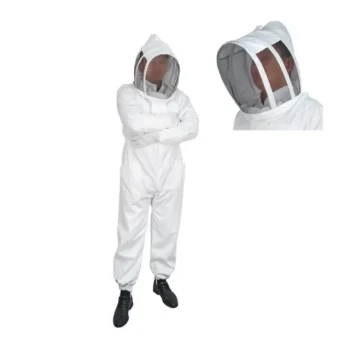
The optimal cleaning agents for beekeeping gear are mild, fragrance-free detergents that are entirely devoid of dyes and perfumes. You must strictly avoid fabric conditioners and highly scented soaps, as even faint chemical odors can linger on the fabric and provoke defensive behavior in the colony.
Honey bees possess an acute sensitivity to environmental scents. To ensure your safety and reduce stress on the hive, prioritize neutral cleaning agents and ensure every trace of detergent is rinsed away before wearing the gear again.
The Impact of Scent on Bee Behavior
Sensitivity to Smell
Honey bees rely heavily on pheromones and scent for communication and defense. Strong artificial fragrances found in standard laundry products can disrupt this communication or be perceived as a foreign threat.
The Risk of Agitation
Using detergents with added perfumes can create immediate issues during inspections. If your gear smells strongly of chemicals or flowers, it can agitate the bees, making them more prone to stinging and defensive swarming.
Selecting the Right Cleaning Agents
Mild and Neutral Detergents
Your primary choice should be a detergent explicitly labeled as mild, fragrance-free, and dye-free. These formulations clean the fabric without leaving behind the volatile organic compounds that confuse or irritate bees.
The Role of Bleach
Unlike softeners, bleach is an acceptable additive when used in appropriate amounts. It helps sanitize the equipment and remove organic staining, provided it is rinsed out completely.
Understanding the Trade-offs
The Prohibition on Fabric Conditioners
You must never use fabric conditioners or softeners on beekeeping gear. These products function by coating fibers with chemical agents designed to leave a lasting scent, which is exactly what you need to avoid.
The Danger of Chemical Residue
Even when using the correct mild detergent, failure to rinse effectively creates a hazard. Chemical residue left in the fabric can be harmful to bees if they come into direct contact with it.
Compromising on Stain Removal
By avoiding harsh chemical solvents and strong soaps, you may find that propolis and grass stains are harder to remove. Accepting some discoloration is a necessary trade-off for maintaining a neutral scent profile that keeps you safe.
Making the Right Choice for Your Goal
To maintain your gear without compromising your safety in the apiary, follow these specific guidelines:
- If your primary focus is preventing stings: strictly avoid all fabric softeners and perfumes, as these are the leading cause of scent-induced agitation.
- If your primary focus is sanitation: incorporate a moderate amount of bleach with your mild detergent to disinfect the gear.
- If your primary focus is residue elimination: run an extra rinse cycle to ensure all soap and chemicals are completely flushed from the fabric.
Clean gear is essential, but neutral-smelling gear is vital for a calm and successful inspection.
Summary Table:
| Cleaning Agent Type | Recommended? | Key Reason |
|---|---|---|
| Fragrance-Free Detergent | Yes | Prevents scent-induced defensive behavior |
| Bleach | Yes (Moderate) | Sanitzes gear and removes organic stains |
| Fabric Softeners | No | Leaves chemical scents that agitate bees |
| Scented Soaps/Dyes | No | Disrupts colony pheromone communication |
| Extra Rinse Cycle | Recommended | Ensures no chemical residue remains on fabric |
Elevate Your Apiary Operations with HONESTBEE
At HONESTBEE, we understand that maintaining high-performance beekeeping gear is crucial for commercial success and colony health. As a leading global supplier for commercial apiaries and distributors, we provide the industry's most comprehensive wholesale range—from professional-grade protective suits and hive-making machinery to advanced honey-filling systems and cultural merchandise.
Whether you are scaling your honey production or stocking a distribution network, our specialized hardware and premium consumables ensure your operation runs at peak efficiency. Let our experts help you select the right tools for your business.
Contact HONESTBEE Today for Wholesale Solutions
Related Products
- Wooden Bee Brush with Triple Row Artificial Fiber for Beekeeping
- Lightweight Durable Plastic Queen Excluder Scraper for Beekeeping
- Yellow Plastic Bucket Pail Perch for Beekeeping
- Professional Long-Handled Silicone Honey Scraper for Beekeeping
- Double Row Artificial Fiber Bee Brush for Beekeeping
People Also Ask
- What is the specific function of a bee brush? Ensure Pure Harvests and Colony Welfare During Honey Extraction
- What are the key characteristics of the bristles on a bee brush? Master Gentle and Efficient Bee Removal
- What is the purpose of using a bee brush during the inspection of hive components? Safe & Precise Hive Management
- What problem does a bee brush solve? Protect Your Colony with Gentle Precision Tools
- Why is a bee brush necessary when extracting honeybee hive frames that contain larvae? Protect Your Brood and Colony