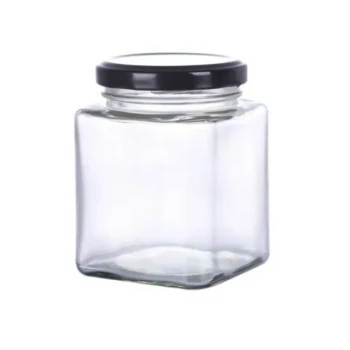
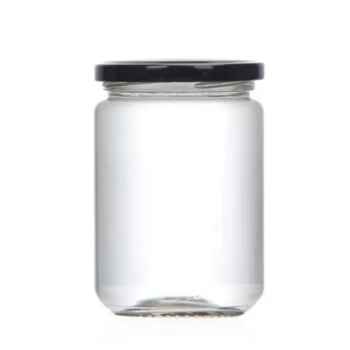
The preference for airtight glass containers stems fundamentally from their exceptional chemical inertness. Unlike other materials, glass prevents the migration of container substances into the honey, ensuring the sample remains chemically pure and strictly representative of its original state for laboratory analysis.
Core Takeaway: The integrity of analytical data relies on eliminating "background interference." Airtight glass is the standard because it creates a chemically neutral environment that preserves the original state of pesticide residues and prevents reaction with honey’s natural acids.
The Critical Role of Chemical Inertness
Preventing Material Migration
The primary risk in sample collection is the contamination of the sample by the container itself.
Glass offers superior chemical stability, which prevents the migration of container materials into the honey matrix. This ensures that the laboratory detects only what is in the honey, not byproducts of the storage vessel.
Preserving Pesticide Residues
Accurate detection of trace contaminants is a primary objective of many honey analyses.
Because glass is inert, it ensures that pesticide residues within the honey remain in their original state during storage. This stability effectively eliminates background interference, allowing for precise quantification of external contaminants.
Stability Against Natural Acids
Honey naturally contains organic acids that can react with reactive storage materials over time.
Glass is non-reactive to these acids, ensuring the chemical structure of the honey does not degrade. This non-reactivity is essential for maintaining the physical-chemical properties required for precision instrumental testing.
Ensuring Physical and Sensory Integrity
The Impermeable Barrier
Beyond chemical reactions, honey samples are vulnerable to environmental factors.
Airtight glass containers are impermeable to gases, acting as a complete barrier against the external environment. This prevents the honey from absorbing surrounding odors which could skew sensory evaluations or chemical profiling.
Moisture Control
Honey is sensitive to humidity changes, which can alter its quality and viscosity.
Sealed glass containers prevent the loss of moisture to the environment. This maintenance of moisture balance ensures that the original botanical flavor profiles remain unchanged from the field to the lab.
Understanding the Trade-offs
Fragility and Weight
While glass is chemically superior, it presents logistical challenges compared to plastics.
Glass is heavier and significantly more fragile, requiring careful handling during transport to prevent sample loss. However, for high-precision laboratory analysis, the risk of breakage is considered an acceptable trade-off for the guarantee of chemical neutrality.
Making the Right Choice for Your Goal
When selecting storage for honey analysis, prioritize the container based on your specific analytical targets:
- If your primary focus is Pesticide Residue Analysis: Use glass to ensure zero material migration and to eliminate background interference that could skew trace detection.
- If your primary focus is Sensory or Botanical Profiling: Use airtight glass to prevent moisture loss and shield the sample from absorbing external environmental odors.
The goal of laboratory sampling is to analyze the honey, not the container; glass is the only material that renders the vessel invisible to the data.
Summary Table:
| Feature | Glass Container Benefit | Impact on Lab Analysis |
|---|---|---|
| Chemical Inertness | Zero migration of container materials | Ensures sample purity and data accuracy |
| Acid Resistance | Non-reactive to honey's natural organic acids | Prevents chemical degradation of the matrix |
| Gas Impermeability | Blocks external odors and contaminants | Maintains sensory and chemical profiles |
| Moisture Control | Prevents evaporation or absorption | Preserves original viscosity and flavor |
| Pesticide Stability | Eliminates background interference | Allows precise quantification of trace residues |
Elevate Your Beekeeping Operation with HONESTBEE
At HONESTBEE, we understand that precision in the lab starts with quality in the field. As a leading provider for commercial apiaries and global distributors, we offer a comprehensive wholesale range of beekeeping essentials designed to protect your product's integrity.
From high-precision honey-filling machines that ensure airtight seals to a full spectrum of beekeeping tools and specialized machinery, we provide the hardware you need to maintain international standards. Whether you are scaling up production or sourcing industrial consumables, our expertise adds value at every stage of the honey supply chain.
Ready to upgrade your equipment? Contact us today to explore our wholesale solutions and see how HONESTBEE can support your growth.
References
- Güzin İPLİKÇİOĞLU ÇİL, Özlem Küplülü. Türkiye’deki bal örneklerinde neonikotinoid varlığının LC-MS/Q-TOF yöntemi ile tespiti. DOI: 10.24998/maeusabed.695570
This article is also based on technical information from HonestBee Knowledge Base .
Related Products
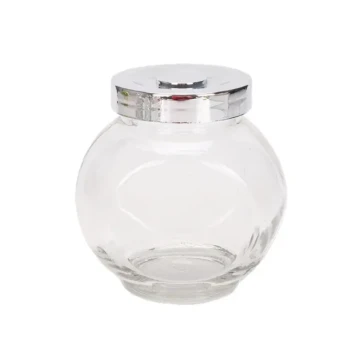
- Classic Drum Shaped Glass Honey Jar with Airtight Lid
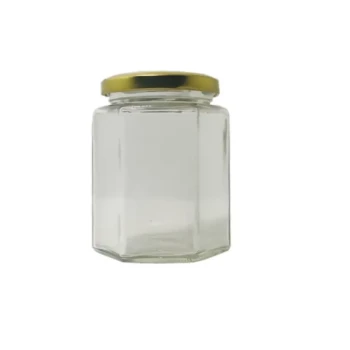
- Hexagonal Glass Honey Jars with Metal Lug Caps Elegant Versatile Packaging
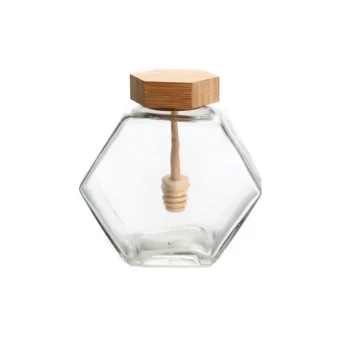
- Hexagonal Glass Honey Jar with Wooden Lid Integrated Dipper Elegant Functional Storage
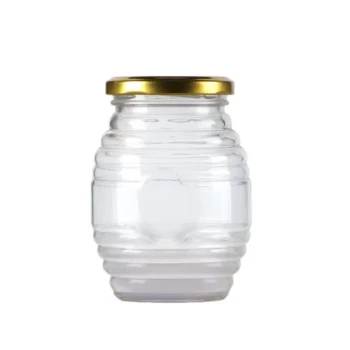
- Classic Glass Honey Jar with Metal Lug Cap for Beehive Storage
- Modern Square Glass Honey Jar with Twist Off Lid
People Also Ask
- What is the best utensil to store honey? Preserve Purity with the Right Container
- How does the appearance of glass jar packaging affect the sales and perception of honey? Boost Your Premium Brand Value
- Why is a glass jar preferred for packaging honey? Ultimate Protection for Purity & Flavor
- What is the aesthetic appeal of using glass jars for honey? Elevate Your Brand with Premium Packaging
- What are the advantages of glass containers for honey? Elevate Quality and Market Value with Premium Packaging