The rigorous pre-treatment of honey samples is essential for preserving data integrity. Airtight plastic containers are employed to physically isolate the sample, preventing moisture exchange and cross-contamination that would skew physicochemical measurements. Simultaneously, low-temperature refrigeration (typically 4–5 °C) is utilized to biologically stabilize the honey, inhibiting microbial growth and enzymatic reactions that lead to spoilage or fermentation.
Core Insight: The validity of laboratory analysis depends entirely on analyzing the honey as it existed at the collection site, not as it evolved during transport. This dual-method approach stabilizes the sample by countering honey’s two biggest vulnerabilities: its tendency to absorb water from the air (hygroscopicity) and its natural biological volatility.
The Role of Airtight Plastic Containers
Controlling Moisture Dynamics
Honey is a highly hygroscopic substance, meaning it naturally absorbs moisture from the surrounding environment.
If a container is not airtight, humidity from the air will enter the sample, artificially increasing its water content.
Using airtight plastic prevents this exchange, ensuring that the initial moisture content measured in the lab accurately reflects the honey's original state.
Preventing Cross-Contamination
Airtight seals serve as a critical barrier against external impurities.
They effectively block the entry of environmental dust, foreign microorganisms, and atmospheric pollutants that could compromise the sample's purity.
This isolation is necessary to guarantee that any microbes or particulates detected during analysis are inherent to the honey, rather than artifacts of handling.
Preserving Volatile Compounds
Beyond keeping things out, airtight containers keep critical components in.
They prevent the loss of volatile aromatic compounds responsible for the honey's specific flavor and scent profile.
This ensures that sensory analysis and chemical profiling remain representative of the production site’s specific botanical source.
The Function of Low-Temperature Refrigeration
Inhibiting Microbial and Enzymatic Activity
The primary reference dictates a specific temperature range of 4–5 °C for effective preservation.
At this temperature, the metabolic activity of microorganisms (such as yeasts) and the reaction rates of natural enzymes are significantly reduced.
This thermal suppression acts as a "pause button" on the honey's biological processes.
Preventing Fermentation and Spoilage
Honey naturally contains yeasts which, under certain conditions, can trigger fermentation.
Refrigeration is the most effective method to prevent premature fermentation before testing can occur.
By halting this process, the laboratory ensures the chemical composition—specifically sugar profiles and acidity—remains authentic.
Stabilizing Bioactive Markers
Honey contains sensitive biochemical markers, including amino acids and specific enzymes, which indicate quality and freshness.
These components can degrade rapidly at higher temperatures.
Keeping the sample chilled maintains the stability of these markers, ensuring accurate data regarding the honey's biological activity and potential health benefits.
Understanding the Trade-offs
Material Inertness vs. Leaching
While plastic is the standard, the quality of the plastic matters significantly.
You must utilize chemically inert materials, such as polyethylene, to ensure the container does not react with the honey’s acidic nature.
Low-quality plastics may leach chemicals into the sample, invalidating trace chemical analyses.
Thermal Shock and Crystallization
While refrigeration preserves chemistry, it accelerates crystallization.
Samples stored at 4–5 °C will likely crystallize faster than those stored at room temperature.
Laboratories must account for this by gently liquefying samples prior to certain physical tests, ensuring this process does not thermally damage the enzymes you fought to preserve.
Ensuring Analytical Accuracy
To obtain the most reliable data from your honey analysis, apply these preservation principles based on your specific testing goals:
- If your primary focus is moisture and purity: Prioritize the seal quality of your container to prevent hygroscopic absorption and volatile loss.
- If your primary focus is biological activity (enzymes/yeast): Strict adherence to the 4–5 °C temperature range is non-negotiable to arrest metabolic changes.
The combination of physical isolation via airtight plastics and thermal suppression via refrigeration remains the gold standard for ensuring your laboratory results are reproducible and authentic.
Summary Table:
| Preservation Method | Primary Function | Key Benefit |
|---|---|---|
| Airtight Plastic Containers | Prevents moisture exchange and contamination | Ensures accurate moisture readings and volatile compound preservation |
| Low-Temperature (4–5 °C) | Inhibits microbial and enzymatic activity | Prevents fermentation and stabilizes sensitive biochemical markers |
| Chemically Inert Materials | Prevents chemical leaching | Maintains sample purity for trace chemical and acidity analysis |
Elevate Your Honey Processing with HONESTBEE
Maintaining the integrity of your honey from the hive to the lab is crucial for commercial success. At HONESTBEE, we support commercial apiaries and distributors with a comprehensive range of professional-grade beekeeping tools and industrial machinery. Whether you need specialized honey-filling machines designed for precision or durable wholesale beekeeping equipment to scale your operations, we provide the hardware and consumables necessary to preserve the quality of your product.
Ready to optimize your apiary’s efficiency and product quality? Contact our expert team today to explore our full spectrum of beekeeping solutions and cultural merchandise!
References
- Lynda Haouam, Cherif Abdennour. Physicochemical properties and major elements contents of Algerian honeys from semi-arid regions. DOI: 10.9755/ejfa.2015-04-064
This article is also based on technical information from HonestBee Knowledge Base .
Related Products
- Classic Drum Shaped Glass Honey Jar with Airtight Lid
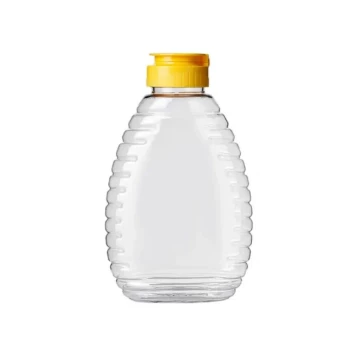
- Squeezable No-Drip Beehive-Shaped Honey Jars with Flip-Top Cap
- Food Grade Plastic Honey Bucket Pail for Beekeeping
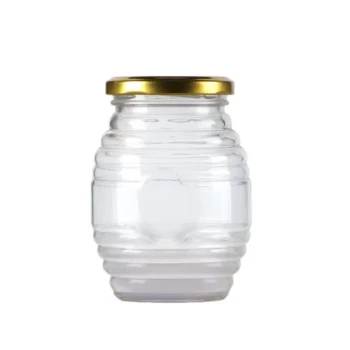
- Classic Beehive Honey Bottle Jar with Squeeze Dispenser Lid
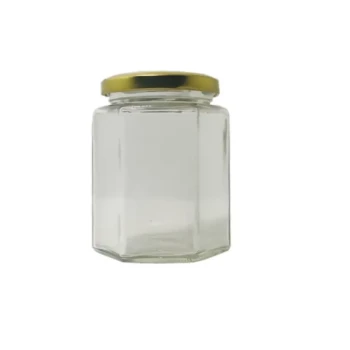
- Hexagonal Glass Honey Jars with Metal Lug Caps Elegant Versatile Packaging
People Also Ask
- What is the best utensil to store honey? Preserve Purity with the Right Container
- How does the appearance of glass jar packaging affect the sales and perception of honey? Boost Your Premium Brand Value
- Why is a glass jar preferred for packaging honey? Ultimate Protection for Purity & Flavor
- What is the aesthetic appeal of using glass jars for honey? Elevate Your Brand with Premium Packaging
- What are the advantages of glass containers for honey? Elevate Quality and Market Value with Premium Packaging