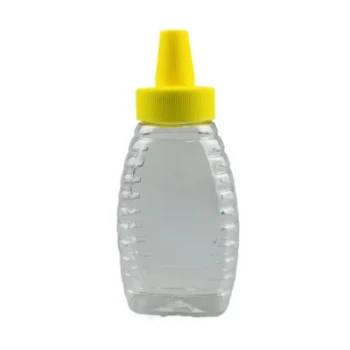
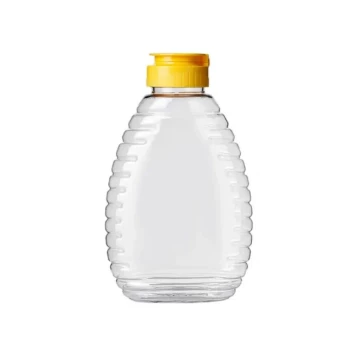
Alcohol-filled sampling jars serve a critical dual purpose: they immediately preserve the specimens to arrest biological decay while securing them for transport. This step is strictly required because Africanized honey bees are nearly indistinguishable from European honey bees by sight alone, necessitating a laboratory analysis of approximately 50 preserved bees to scientifically confirm the subspecies.
The Core Takeaway: You cannot determine if a hive is Africanized simply by looking at it. Alcohol preservation maintains the physical integrity of the bee's wings and body, allowing laboratories to perform wing morphometry to identify the species and determine the necessary risk management strategy.
The Necessity of Laboratory Identification
The Limits of Visual Inspection
To the naked eye, Africanized honey bees and European honey bees look identical. A field technician cannot reliably determine the subspecies during the removal process based on the bee's appearance alone.
The Role of Wing Morphometry
Because visual identification is impossible in the field, scientists rely on wing morphometry. This is a laboratory technique that measures the precise vein patterns and angles of the bee's wings.
Why Preservation Matters
For wing morphometry to be accurate, the biological features of the bee must be perfectly preserved. Alcohol prevents decomposition, ensuring that the wing structures remain intact for measurement under a microscope.
Protocols for Sample Collection
Quantity Requirements
A statistically significant sample is required for accurate results. Standard protocols call for collecting approximately 50 bees in the alcohol-filled jar.
From Field to Jar
Before placing bees in alcohol, collectors often use new plastic bags to capture bees directly from flowers or the hive. This temporary seal prevents cross-contamination between different colonies before the transfer to preservation liquid.
Maintaining Data Integrity
The ultimate goal of using alcohol and sterile containers is to establish a foundation for traceability. Accurate identification dictates how the infestation should be managed and what safety risks are present for the surrounding area.
Ensuring Sample Integrity: Common Pitfalls
Preventing Environmental Contamination
Using high-purity, contamination-free consumables is essential. Introducing environmental impurities or using dirty containers can compromise the sample, shielding background interference and skewing data in complex analyses like heavy metal bioaccumulation.
Avoiding Decomposition
The most common failure in sampling is allowing the specimen to dry out or rot before reaching the lab. Once decay sets in, the physical characteristics required for morphometry are lost, rendering the sample useless.
Preventing Cross-Contamination
Strict separation of samples is vital. Mixing bees from different locations or hives creates a "mixed signal" in the laboratory, leading to inconclusive results and potentially dangerous misidentification of a hive's aggression level.
Making the Right Choice for Your Goal
To ensure your sampling leads to actionable results, align your process with your specific objective:
- If your primary focus is Risk Management: Prioritize the immediate preservation of at least 50 bees to confirm if the colony is Africanized, as this dictates the legal and safety protocols for removal.
- If your primary focus is Scientific Research: Ensure you use high-purity, contamination-free consumables to prevent environmental impurities from skewing chemical or biological data.
Accurate identification is the only bridge between a visual guess and a safe, effective removal strategy.
Summary Table:
| Feature | Requirement | Reason |
|---|---|---|
| Preservation Agent | High-purity Alcohol | Arrests decay and maintains wing structure integrity |
| Sample Size | ~50 Bees | Provides a statistically significant data set for analysis |
| Method | Wing Morphometry | Scientifically distinguishes Africanized from European subspecies |
| Contamination Control | Sterile/New Containers | Prevents cross-contamination and environmental interference |
| Primary Goal | Subspecies Confirmation | Informs risk management and legal removal protocols |
Elevate Your Apiary Operations with HONESTBEE
Precise identification is the first step in professional bee management. At HONESTBEE, we support commercial apiaries and distributors by providing the industry's most reliable beekeeping tools and machinery.
Whether you need specialized honey-filling machines, professional-grade hive-making hardware, or essential sampling consumables, our comprehensive wholesale portfolio is designed to enhance your efficiency and safety. From field-tested equipment to honey-themed cultural merchandise, we offer everything you need to scale your business.
Ready to upgrade your equipment? Contact us today to discuss our wholesale solutions and see how HONESTBEE can empower your success.
References
- Michael K. O’Malley, Jamie Ellis. Choosing the Right Pest Control Operator for Honey Bee Removal: A Consumer Guide. DOI: 10.32473/edis-in771-2008
This article is also based on technical information from HonestBee Knowledge Base .
Related Products
- Classic Glass Honey Jar with Metal Lug Cap for Beehive Storage
- Classic Beehive Honey Bottle Jar with Squeeze Dispenser Lid
- 8 Frame and 10 Frame Propolis Trap Collector Screen for Propolis Collection
- Food Grade Plastic Honey Bucket Pail for Beekeeping
- Squeezable No-Drip Beehive-Shaped Honey Jars with Flip-Top Cap
People Also Ask
- What are the benefits of glass jars regarding strength and safety for storing honey? Ensure Purity and Long-Term Quality
- What are the advantages of using glass jars for honey storage? Ensure Purity and Premium Appeal for Your Product
- What are the benefits of using high-transparency Glass Jars for honey? Elevate Purity and Premium Branding
- What is the aesthetic appeal of using glass jars for honey? Elevate Your Brand with Premium Packaging
- Which container is best for storing honey? Preserve Purity & Flavor with the Right Choice