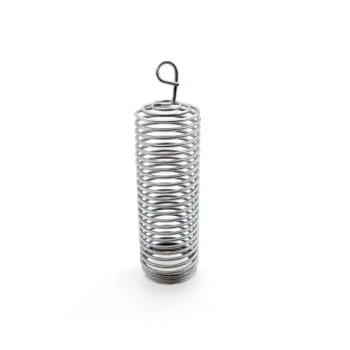
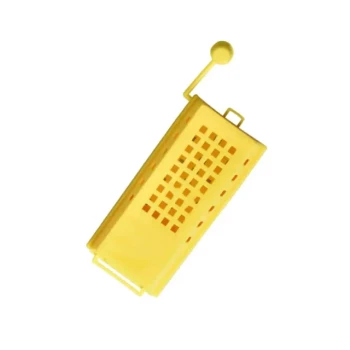
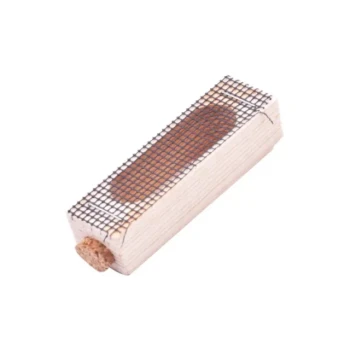
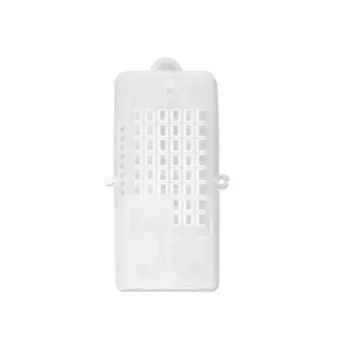
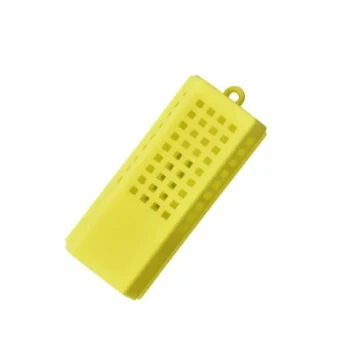
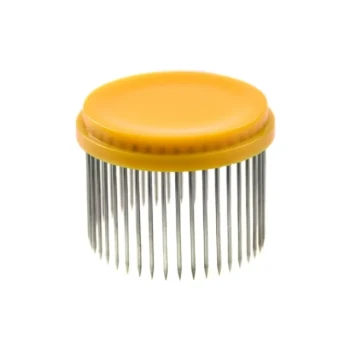
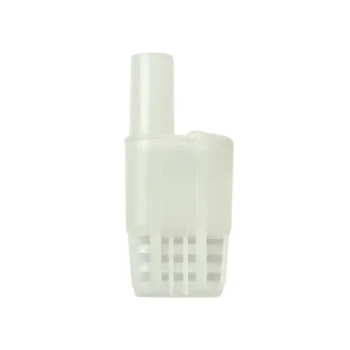
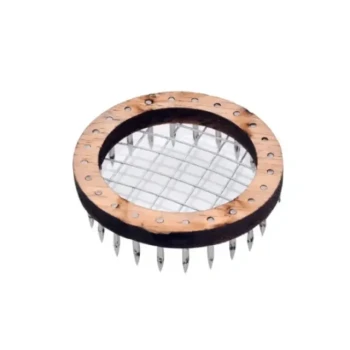
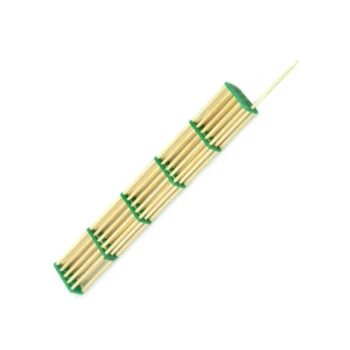
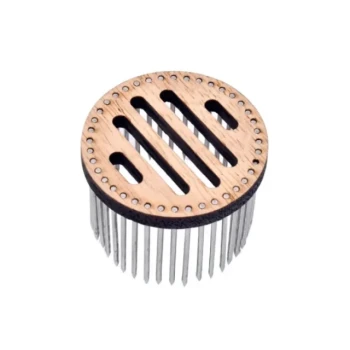
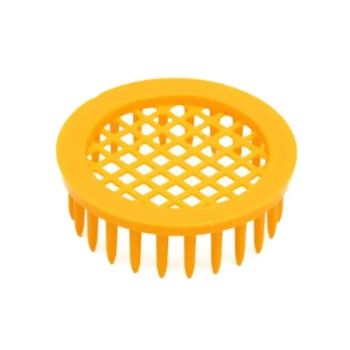
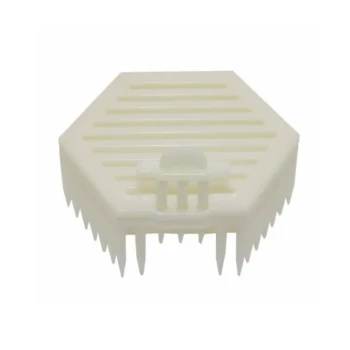
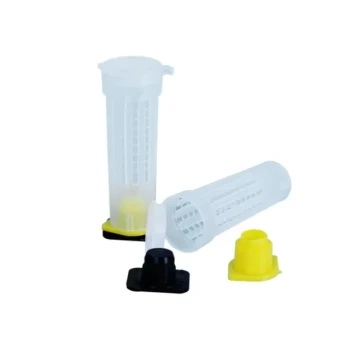
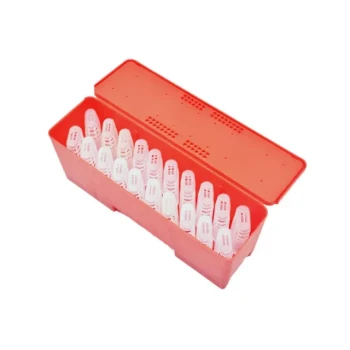
Biological control devices, specifically queen cages, are indispensable tools for modern colony health because they allow beekeepers to manage parasites through physical exclusion rather than chemical intervention. By temporarily isolating the queen to interrupt brood rearing, these devices break the reproductive cycle of pests like Varroa mites, significantly reducing the colony's reliance on synthetic treatments.
The Core Takeaway Queen cages represent a shift from chemical dependency to biological strategy. They enable organic pest management by physically halting the mite breeding cycle, ensuring that honey products remain free of residues and meet strict international export standards.
Breaking the Parasite Cycle Naturally
The Mechanics of Brood Interruption
The primary function of a queen cage in health management is brood interruption. Varroa mites rely on sealed brood cells to reproduce.
By isolating the queen in a cage, you temporarily stop egg-laying. This deprives mites of the reproductive ground they need, effectively crashing their population growth without applying toxins to the hive.
Physical Isolation vs. Chemical Treatment
Using physical devices allows for targeted biological control. Unlike chemical sprays that coat the hive, queen cages work by altering the colony's behavior.
This method aligns with organic beekeeping practices. It substitutes the "necessity for chemical treatments" with a management technique that respects the hive's natural biology while effectively suppressing infestation levels.
Elevating Product Quality and Standards
Meeting Export Hygiene Standards
In the global honey market, purity is paramount. Chemical treatments often leave residues in wax and honey, complicating sales in regulated markets.
Using queen cages ensures that honey and by-products meet high-quality international hygiene standards. This is critical for beekeepers aiming to export their products, as it guarantees a cleaner, chemical-free profile.
Preserving Biological Integrity
Biological control devices protect the biological quality of bee products at the source. By avoiding synthetic inputs, the hive environment remains closer to its natural state.
This leads to higher consumer trust and a product that is safe for both domestic consumption and international trade.
Understanding the Trade-offs
Passive vs. Active Management
While queen cages offer superior product purity, they require active management strategy. In contrast, slow-release miticide strips offer a passive, contact-based solution where bees treat themselves during daily activity.
Chemical strips provide a "long-term action mechanism" that kills mites emerging from capped brood. Queen cages, conversely, require the beekeeper to time the isolation and release of the queen precisely to be effective.
Immediate Impact vs. Long-term Health
Veterinary medicinal products and strips are designed for immediate pathogen inhibition and preventing infestation spread.
Biological devices like queen cages focus on long-term preventive health and residue avoidance. The trade-off is often between the ease of applying a chemical strip and the higher labor—but higher purity—of physical isolation.
Making the Right Choice for Your Goal
Choosing between biological devices and chemical consumables depends on your production targets and current infestation levels.
- If your primary focus is Organic Certification and Export: Prioritize queen cages to utilize brood interruption, ensuring your honey remains free of chemical residues and meets strict international standards.
- If your primary focus is Emergency Infestation Control: Utilize slow-release miticide strips or veterinary medicinal products to provide immediate, contact-based relief for colonies with critically high mite loads.
Mastering the use of queen cages transforms pest control from a chemical war into a strategic biological advantage.
Summary Table:
| Feature | Biological Control (Queen Cages) | Chemical Control (Strips/Meticides) |
|---|---|---|
| Mechanism | Brood interruption & physical isolation | Contact-based chemical inhibition |
| Residue Risk | Zero - Preserves honey & wax purity | Potential for chemical residues in products |
| Best For | Organic certification & export markets | Emergency infestation & rapid relief |
| Labor Level | Active strategic management required | Passive "set and forget" application |
| Impact | Long-term sustainable health | Immediate pathogen suppression |
Elevate Your Apiary Standards with HONESTBEE
At HONESTBEE, we empower commercial apiaries and distributors with the high-quality biological control tools and machinery needed to compete in the global market. Whether you are transitioning to organic practices with our specialized queen cages or scaling your production with our industrial honey-filling machines, we provide the comprehensive wholesale solutions your business demands.
Our extensive portfolio covers everything from essential beekeeping consumables to specialized hardware and honey-themed cultural merchandise. Partner with us to ensure your honey products meet the strictest international export standards while maximizing hive productivity.
Ready to scale your beekeeping operations?
Contact HONESTBEE today for a wholesale consultation.
References
- Nataliia Pravdiuk. INFORMATION SUPPORT FOR THE BEEKEEPING INDUSTRY: ACCOUNTING AND ANALYTICAL PRACTICE IN UKRAINE AND THE WORLD. DOI: 10.32782/bses.90-11
This article is also based on technical information from HonestBee Knowledge Base .
Related Products
- Durable Galvanized Steel Spring Queen Bee Cage
- Professional Queen Cage with Sliding Gate and Feeder Plug
- Classic Wooden and Mesh California Queen Cage
- Professional Queen Bee Introduction and Transport Cage
- Professional Multi-Functional Queen Bee Cage
People Also Ask
- Why are specialized queen bee cages used for the banking of mated queen bees? Maximize Commercial Apiary Storage Efficiency
- What is the mechanism of action for using temporary queen bee cages? Master Successful Queen Introduction
- What is the step-by-step process for installing a queen bee's cage onto a frame? Ensure Hive Acceptance Safely
- What is the optimal placement for a queen bee cage? Essential Strategies for Successful Re-queening
- What are the advantages and disadvantages of introducing a queen bee by embedding the cage? Boost Your Queen Acceptance