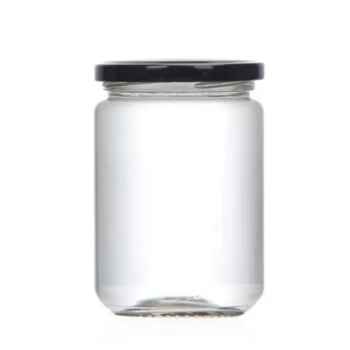
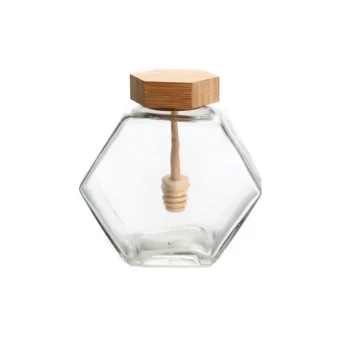
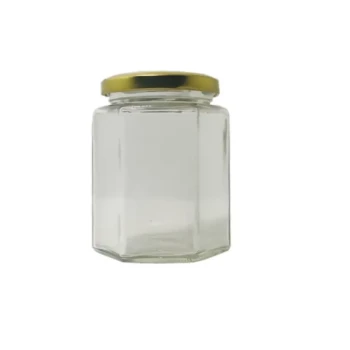
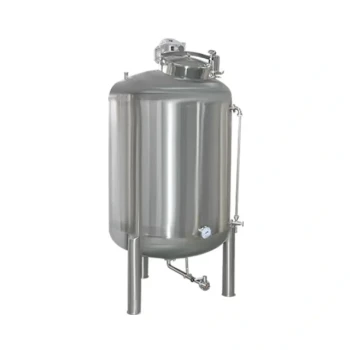
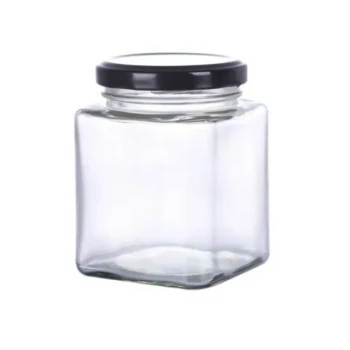
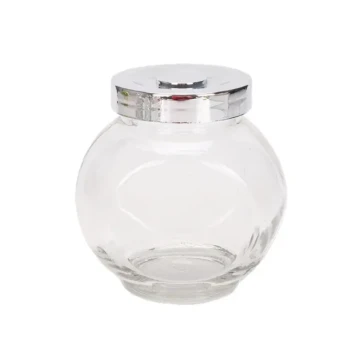
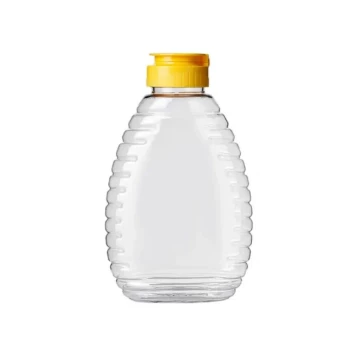
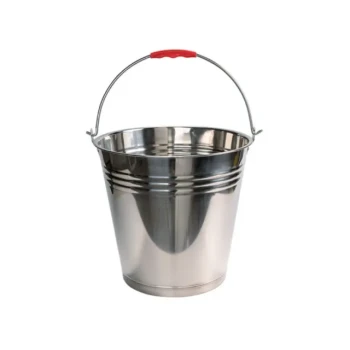
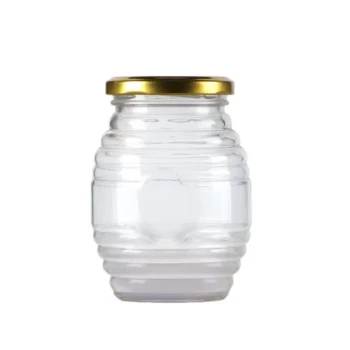
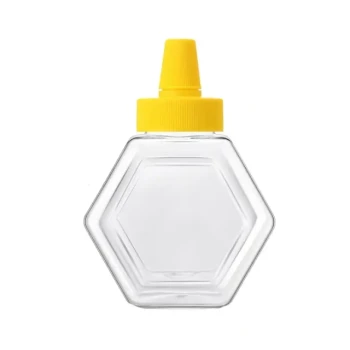
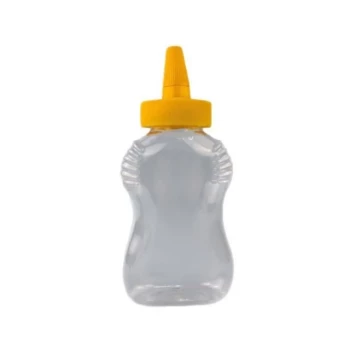
High-sealing containers are strictly necessary due to honey's innate hygroscopic nature, meaning it acts as a sponge that actively absorbs moisture from the surrounding atmosphere. Without a hermetic seal, this absorption quickly raises the honey's water content above the critical 20% threshold. Crossing this limit triggers the proliferation of osmophilic yeasts, initiating fermentation and causing irreversible spoilage of the sample.
The primary function of a high-sealing container is to maintain the sample's physicochemical fidelity. By creating a closed system, you prevent environmental variables—moisture, oxygen, and contaminants—from altering the baseline data required for accurate laboratory analysis.
The Mechanics of Moisture and Spoilage
Controlling Hygroscopicity
Honey is defined by its low water activity and high sugar concentration. However, because it is highly hygroscopic, it seeks equilibrium with the humidity of its environment. A high-sealing container is the only physical barrier that effectively interrupts this process.
The 20% Critical Threshold
Standard atmospheric exposure will dilute the upper layers of the honey sample. Once moisture content exceeds 20%, the natural preservation mechanism of honey fails. This creates an environment where dormant yeast spores can activate and multiply.
Preventing Fermentation
The activity of these osmophilic yeasts converts sugars into alcohol and carbon dioxide. This fermentation process destroys the original composition of the honey. For scientific samples, this renders the material useless for characterization or quality control.
Preserving Chemical and Sensory Integrity
Retaining Volatile Compounds
Honey's unique flavor profile relies on specific, fleeting volatile compounds. A compromised seal allows these aromatic markers to escape into the air. High-sealing caps lock these compounds inside, ensuring that subsequent sensory profiling remains accurate.
Ensuring Analytical Accuracy
Laboratory testing relies on a static baseline. If a sample absorbs water, it dilutes the concentration of other substances, skewing physicochemical characterization. An airtight seal guarantees that the data collected in the lab reflects the honey's condition at the moment of collection.
Stabilizing Bioactive Components
Sealing the container also minimizes oxidation. This protects sensitive bioactive substances, such as phenolic compounds and flavonoids, from degrading. Maintaining these levels is vital if the sample is being tested for antioxidant activity or medicinal properties.
Material Interactions and Environmental Defense
Protection Against Acidity and Migration
Honey is weakly acidic, typically possessing a pH between 3 and 4. High-sealing containers must be paired with inert materials (like glass or food-grade plastic) to prevent chemical reactions. A tight seal alone is insufficient if the container material degrades and migrates into the honey sample.
Defending Against Contaminants
A hermetic seal acts as a physical shield against microbial contamination. By blocking the entry of external bacteria and fungi, the container ensures the biological purity of the sample remains intact for safety testing.
Understanding the Trade-offs
The Limitations of Sealing Alone
While a high seal is critical, it does not stop temperature-related degradation. Even in a perfectly sealed jar, heat can cause enzymatic browning and an increase in Hydroxymethylfurfural (HMF). Sealing must be combined with temperature control (ideally 4°C) to be effective.
The Risk of anaerobic Fermentation
While sealing prevents aerobic spoilage, it can trap moisture if the honey was harvested too wet. If the sample already contains >20% water before sealing, fermentation will occur inside the container regardless of the seal quality.
Making the Right Choice for Your Goal
To select the correct preservation method, you must align the container type with your specific analytical objectives.
- If your primary focus is Physicochemical Analysis: Prioritize airtight glass containers to prevent moisture absorption and ensure chemical inertness against honey's acidity.
- If your primary focus is Bioactive or Sensory Profiling: Use sterilized amber glass with high-sealing caps to simultaneously block moisture, oxygen, and ultraviolet light.
Ultimately, a high-sealing container is the fundamental tool for freezing the biological clock of the sample, ensuring reliable data for traceability and quality assurance.
Summary Table:
| Factor | Impact of Poor Sealing | Benefit of High-Sealing Container |
|---|---|---|
| Moisture Control | Water content exceeds 20% (Hygroscopicity) | Maintains water activity below fermentation threshold |
| Biological Stability | Proliferation of osmophilic yeasts | Prevents yeast activation and irreversible spoilage |
| Chemical Integrity | Oxidation of phenolic compounds/flavonoids | Protects bioactive components and antioxidant properties |
| Sensory Profile | Loss of volatile aromatic compounds | Retains original flavor and fragrance markers |
| Data Accuracy | Skewed physicochemical characterization | Guarantees static baseline for laboratory testing |
Secure Your Honey Quality with HONESTBEE Professional Solutions
Preserving the integrity of honey samples is critical for commercial success and scientific precision. At HONESTBEE, we specialize in supporting commercial apiaries and distributors with high-performance equipment designed to maintain product excellence.
Our comprehensive wholesale range includes:
- Precision Machinery: Advanced honey-filling machines and hive-making equipment.
- Professional Tools: A full spectrum of beekeeping hardware and essential consumables.
- Value-Add Products: Honey-themed cultural merchandise to expand your brand reach.
Whether you are scaling your extraction process or seeking reliable supplies for global distribution, HONESTBEE provides the specialized tools needed to prevent spoilage and ensure chemical fidelity.
Ready to elevate your apiary operations? Contact us today to explore our wholesale catalog and discover how we can optimize your honey production and preservation workflow.
References
- Hamada Imtara, Badiâa Lyoussi. Physicochemical characterization and antioxidant activity of Palestinian honey samples. DOI: 10.1002/fsn3.754
This article is also based on technical information from HonestBee Knowledge Base .
Related Products
- Classic Round Glass Honey Jar with Lid
- Stainless Steel Honey Storage Tank with Lid for Honey
- Hexagonal Glass Honey Jar with Wooden Lid Integrated Dipper Elegant Functional Storage
- Hexagonal Glass Honey Jars with Metal Lug Caps Elegant Versatile Packaging
- Stainless Steel Honey Storage and Settling Tank with Double Strainer
People Also Ask
- What is the aesthetic appeal of using glass jars for honey? Elevate Your Brand with Premium Packaging
- What are the advantages of glass containers for honey? Elevate Quality and Market Value with Premium Packaging
- How does the appearance of glass jar packaging affect the sales and perception of honey? Boost Your Premium Brand Value
- Why is a glass jar preferred for packaging honey? Ultimate Protection for Purity & Flavor
- What are the advantages of using high-quality glass containers in the commercial packaging of honey? Boost Premium Value