Regular hive inspections are essential because sustainable beekeeping depends on informed, timely stewardship—not complete non-intervention. Inspections help identify pests, disease symptoms, queen and brood problems, overcrowding, and inadequate food reserves before they threaten colony survival. Proper tools—including a hive tool, smoker, protective clothing, and inspection records—allow beekeepers to examine colonies safely, systematically, and with minimal disturbance.
Sustainable apiary management combines careful observation with proportionate action. Regular inspections reveal developing problems early, while reliable tools make those inspections safer, more accurate, and more consistent across every colony.
Why Regular Inspections Matter
Detecting Problems Before They Escalate
A colony can appear active at the entrance while experiencing internal problems. Opening the hive allows the beekeeper to assess brood condition, queen productivity, food reserves, and signs of pests or disease.
Early detection creates more management options. Corrective action is generally more effective when issues are identified before they spread or significantly weaken the colony.
Supporting Colony Health and Productivity
Inspections help determine whether a colony has sufficient space, healthy brood development, and adequate food. They also reveal whether the colony is becoming overcrowded, a condition that can contribute to swarming.
By monitoring these factors over time, beekeepers can add honey supers, adjust entrance equipment, or provide supplemental feed when appropriate.
Applying Sustainable Stewardship
Sustainable or natural beekeeping does not mean leaving colonies entirely unexamined. It means intervening thoughtfully, using evidence from the colony rather than applying unnecessary treatments or disturbances.
The objective is a balanced approach: monitor regularly, minimize disruption, and respond proportionately to verified risks.
What a Proper Inspection Should Evaluate
Queen and Brood Performance
Inspectors look for evidence of consistent egg laying and a healthy brood pattern. Changes in brood density or development can indicate queen problems, disease pressure, or broader colony stress.
These observations are more useful when compared with previous inspections rather than judged in isolation.
Pests and Disease Symptoms
Frames and brood areas should be checked for visible signs of mites, parasites, abnormal brood, or other disease indicators. Regular monitoring improves the likelihood of detecting problems while they remain manageable.
Inspection findings should guide the next step. A visible symptom may require closer evaluation, equipment sanitation, treatment, or advice from a qualified apiculture professional.
Food Reserves and Hive Space
Beekeepers should assess whether the colony has adequate honey and pollen reserves for current conditions. They should also verify that the colony has sufficient space for brood expansion and honey storage.
Inspection records can help anticipate when equipment changes are needed, including adding honey supers or replacing damaged entrance reducers.
How the Right Tools Improve Inspections
Hive Tools Enable Controlled Access
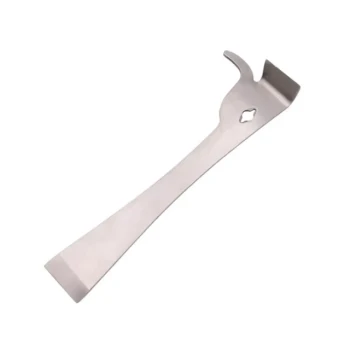
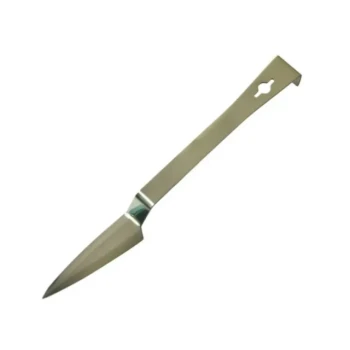
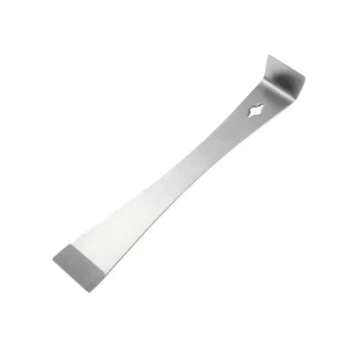
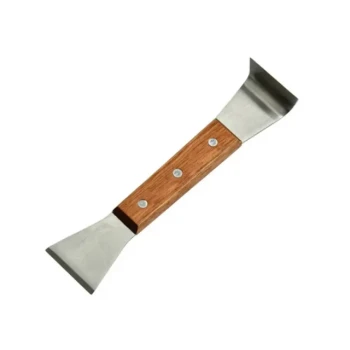
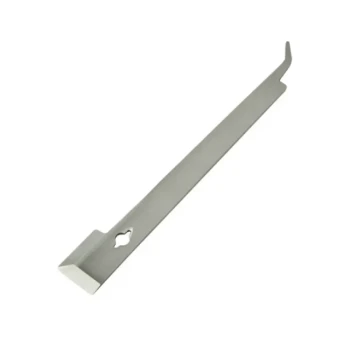
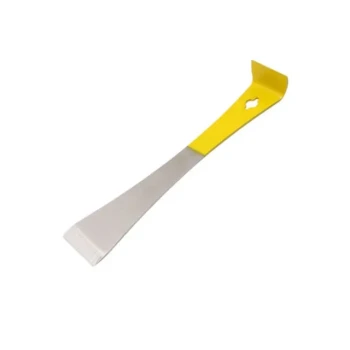
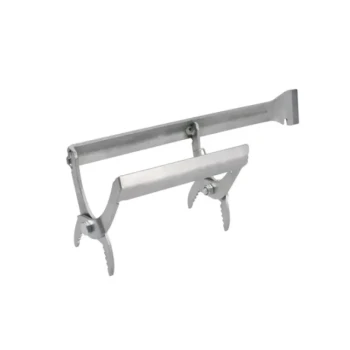
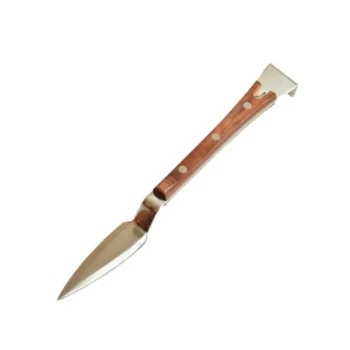
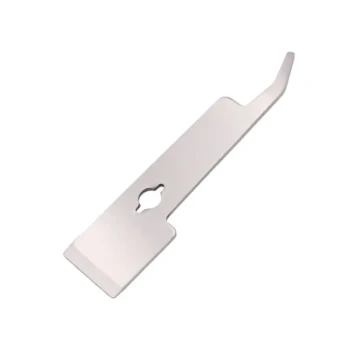
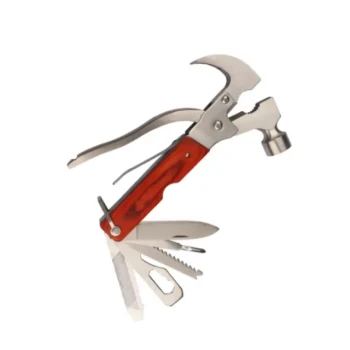
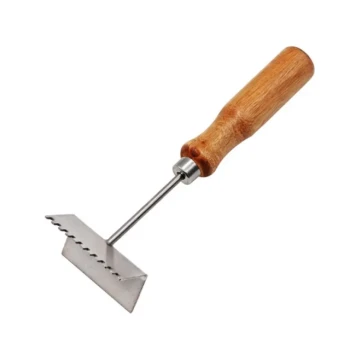
A hive tool functions as a lever, pry bar, and scraper. It breaks propolis seals, separates hive components, lifts frames, and removes excess propolis or burr comb.
The tool should be used gently and deliberately. Sudden snapping noises and excessive force can agitate the colony, crush bees, or damage comb.
Smokers Help Manage Colony Behavior
A bee smoker produces cool smoke that temporarily calms bees and masks alarm pheromones during frame manipulation. This can make the inspection more controlled for both the beekeeper and the colony.
The smoker must be operated responsibly. Excessive, hot, or poorly produced smoke can create unnecessary stress and may damage bees or comb.
Protective Equipment Reduces Risk
Opening an active hive can release many defensive bees. Protective suits, veils, hats, and gloves reduce sting exposure and help inspectors work calmly and methodically.
For commercial apiaries and resellers, consistent access to properly sized protective equipment is an operational requirement, not an optional accessory.
Records Turn Visits Into Management
Written or digital inspection records provide a historical baseline for each colony. They can track queen performance, brood health, food reserves, pest observations, equipment changes, and follow-up actions.
Standardized records also improve consistency across teams and colonies. They help managers verify that inspection steps were completed and plan future equipment and resource requirements.
Establishing an Effective Inspection Routine
Match Frequency to Season and Risk
During active spring and summer periods, weekly inspections are commonly used to monitor queen productivity, brood development, space, and early pest pressure. The exact schedule should reflect local conditions, colony strength, weather, management objectives, and known risks.
A fixed schedule is less important than dependable monitoring. Inspections should be frequent enough to detect meaningful changes without opening colonies unnecessarily.
Follow a Consistent Sequence
A repeatable process reduces omissions and makes colony comparisons more reliable. A practical sequence includes:
- Prepare protective equipment, smoker, hive tool, and records.
- Approach and open the hive calmly.
- Assess colony behavior and general activity.
- Examine food reserves, brood, queen evidence, and pest or disease symptoms.
- Check space and equipment condition.
- Record observations and required actions.
- Close the hive carefully and update the management plan.
Standardize Across the Apiary
When multiple people manage an apiary, standardized tools and inspection forms reduce variation. Everyone should use consistent terminology and record the same core observations.
For distributors and B2B resellers, this creates a clear product opportunity: a dependable, full-spectrum supply program covering protective gear, smokers, hive tools, replacement components, and record-keeping accessories.
Understanding the Trade-offs
More Inspections Are Not Always Better
Frequent hive opening can disturb colony behavior, disrupt temperature and humidity control, and increase handling stress. Inspections should therefore be purposeful rather than conducted simply to follow a calendar.
The best routine balances early detection with minimal interference.
Tools Can Cause Damage When Misused
A hive tool is essential, but excessive leverage can split boxes, damage frame rests, or crush bees. Rough frame removal can also break comb and increase colony disruption.
Training and deliberate handling matter as much as tool quality.
Protective Gear Requires Practical Fit
Protective equipment reduces sting risk, but poorly fitted or uncomfortable gear can restrict movement and encourage unsafe shortcuts. Apparel should be sting-resistant, appropriately sized, durable, and suitable for the working climate.
Suppliers should prioritize reliable sizing, replacement availability, and responsive fulfillment—not merely low unit cost.
Records Are Valuable Only When Maintained
An inspection log cannot support decisions if entries are incomplete or inconsistent. Records should be concise enough to maintain during routine operations while still capturing the observations needed for follow-up.
Digital tools can improve accessibility, while physical journals remain useful in the field. The most effective system is the one the apiary team uses consistently.
Making the Right Choice for Your Goal
The inspection program and product supply model should support the specific needs of the apiary.
- If your primary focus is colony health: Establish a consistent, seasonally appropriate inspection routine using a smoker, hive tool, protective equipment, and structured records.
- If your primary focus is sustainable management: Inspect with a clear purpose, minimize disturbance, and base interventions on observed conditions rather than assumptions.
- If your primary focus is apiary efficiency: Standardize inspection procedures and records across colonies so teams can identify trends and plan equipment needs early.
- If your primary focus is product sourcing: Work with suppliers that provide a complete inspection-tool portfolio, dependable quality, rapid response, and efficient fulfillment across routine and urgent requirements.
- If your primary focus is reseller value: Offer coordinated solutions rather than isolated products, combining protective gear, smokers, hive tools, accessories, and record-keeping supplies.
With disciplined inspections and dependable tools, beekeepers can protect colony health while managing apiaries more sustainably, safely, and efficiently.
Summary Table:
| Aspect | Key Points |
|---|---|
| Early Detection | Identifies pests, diseases, queen issues, and food shortages before they escalate. |
| Colony Health | Monitors brood pattern, queen performance, and space requirements to prevent swarming. |
| Sustainable Stewardship | Balances observation with minimal intervention, using evidence-based decisions. |
| Essential Tools | Hive tool, smoker, protective clothing, and records enable safe, systematic inspections. |
| Inspection Routine | Weekly during active season; consistent sequence and standardized records for efficiency. |
| Trade-offs | Too many inspections disrupt colonies; misuse of tools causes damage; records must be maintained. |
Equip your apiary with reliable inspection tools and comprehensive supplies from HONESTBEE. From hive tools and smokers to protective gear and record-keeping accessories, we support sustainable beekeeping practices. Partner with us for fast delivery, OEM/ODM support, and a full-spectrum portfolio that boosts your operational efficiency. Contact us today to discuss your wholesale needs and enhance your apiary management.
Related Products
- Professional Multi-Function Stainless Steel Hive Tool
- HONESTBEE Professional Long Handled Hive Tool with Precision Cutting Blade
- Professional Stainless Steel Pry-Bar Hive Tool
- Professional Dual-End Stainless Steel Hive Tool for Beekeeping
- Stainless Steel J Hook Hive Tool for Beekeeping
People Also Ask
- Why are professional hive tools considered indispensable? Master Beekeeping Maintenance with Precision Leverage
- What is the role of professional hive tools in routine apiary maintenance? Expert Tips for Hive Health and Longevity
- What are the benefits of a multi-functional hive tool? Streamline Your Apiary Workflow with One Tool
- What advantages do multi-functional hive tools offer? Maximize Your Apiary Efficiency and Workflow
- What are the common construction features of hive tools? Key Insights for Superior Beekeeping Efficiency