Specialized trailers and mechanical lifting devices represent the logistical backbone of successful migratory beekeeping, particularly when operations extend into rugged terrains like mountains or islands. These tools provide the essential load capacity and stability required to transport heavy, honey-filled hives safely, enabling beekeepers to relocate colonies efficiently in synchronization with regional flowering cycles.
While standard transport risks hive damage and logistical delays, specialized equipment ensures colony stability and rapid mobility, allowing beekeepers to maximize honey production by continuously accessing high-quality nectar sources across varying altitudes.
Overcoming Logistical Hurdles in Rugged Terrain
Managing Extreme Loads
Migratory beekeeping is not merely about moving boxes; it involves transporting hives that are often heavy with honey. Specialized mechanical lifting devices are essential for managing this weight without risking injury to the beekeeper or dropping the hive.
Navigating Difficult Landscapes
Operations often require traversing challenging environments, such as steep mountain paths or remote island terrain. Specialized trailers are engineered to provide the necessary stability to negotiate these uneven surfaces without tipping or destabilizing the load.
Synchronizing Operations with Natural Cycles
Chasing the Bloom
The core objective of migratory beekeeping is to follow floral blooms across different regions and altitudes. Specialized equipment allows for rapid deployment, ensuring colonies arrive exactly when nectar flows begin.
Enabling Nighttime Transport
To minimize stress on the bees and prevent loss of foragers, relocation is best performed at night. Mechanical lifting aids and organized trailer systems streamline loading and unloading in low-light conditions, making nocturnal transport efficient and safe.
Preserving Colony Health and Integrity
Minimizing Vibration Stress
Standard transport can subject hives to excessive shaking, which stresses the colony and disrupts their organization. Professional transportation racks and fixed framing systems significantly reduce these vibrations during long-distance travel.
Preventing Physical Damage
Mechanical impact during transport can damage internal frames or the hive structure itself. By securing hives with fixed framing, specialized systems prevent physical damage, ensuring the colony remains productive immediately upon arrival.
Understanding the Operational Trade-offs
Equipment Investment vs. Yield
While specialized machinery increases efficiency, it represents a significant capital investment. Beekeepers must ensure that the increase in annual honey yield justifies the upfront cost of trailers and lifters.
Maintenance Dependencies
Relying on mechanical lifting devices introduces a layer of technical complexity to the operation. A mechanical failure in a remote mountain location can halt operations, requiring beekeepers to have contingency plans or repair skills.
Making the Right Choice for Your Goal
To determine if this equipment is necessary for your specific operation, consider your primary objectives:
- If your primary focus is Maximizing Production: Invest in high-capacity trailers to ensure your colonies have continuous access to high-quality nectar sources across different flowering periods.
- If your primary focus is Colony Preservation: Prioritize trailers with advanced suspension and fixed framing to minimize vibration-induced stress and frame damage during transit.
By aligning your equipment choices with the specific demands of your terrain, you transform transportation from a risk factor into a tool for sustainable growth.
Summary Table:
| Feature | Benefit for Migratory Beekeeping | Operational Impact |
|---|---|---|
| Mechanical Lifters | Safe handling of heavy, honey-filled hives | Reduces injury risk and hive damage |
| Specialized Trailers | Stability on steep or uneven mountain/island terrain | Prevents load tipping and transport delays |
| Fixed Framing Systems | Minimizes vibrations and internal frame movement | Reduces colony stress and preserves hive integrity |
| Night-load Integration | Efficient loading and unloading in low-light | Maximizes bee retention and minimizes heat stress |
Elevate Your Commercial Apiary with HONESTBEE Professional Solutions
Transitioning to large-scale migratory beekeeping requires more than just hives; it demands a robust logistical foundation. At HONESTBEE, we specialize in supporting commercial apiaries and distributors with a comprehensive wholesale portfolio designed for challenging environments.
From high-capacity beekeeping machinery and hive-making equipment to essential industry consumables, our products are engineered to help you maximize honey production while protecting your most valuable assets—your colonies.
Ready to scale your operations? Contact us today to explore our wholesale equipment range and discover how HONESTBEE can streamline your beekeeping logistics and cultural merchandise offerings.
References
- Scott Bremer, Etienne Dunn‐Sigouin. Adapting seasonal beekeeping patterns in western Norway. DOI: 10.1177/0961463x241275003
This article is also based on technical information from HonestBee Knowledge Base .
Related Products
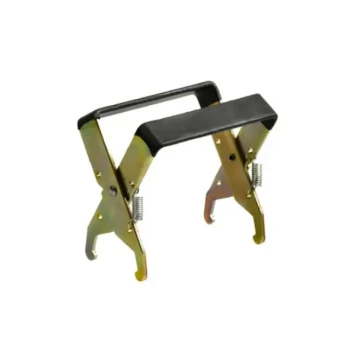
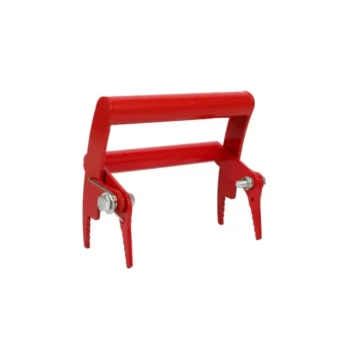
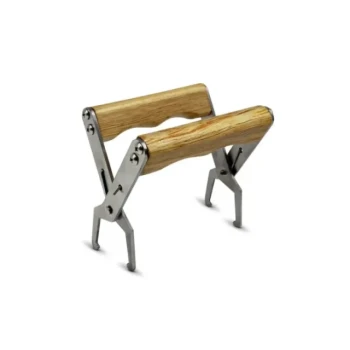
- Durable Galvanized Steel Frame Grip
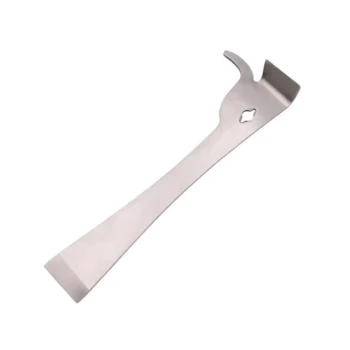
- Stainless Steel J Hook Hive Tool for Beekeeping
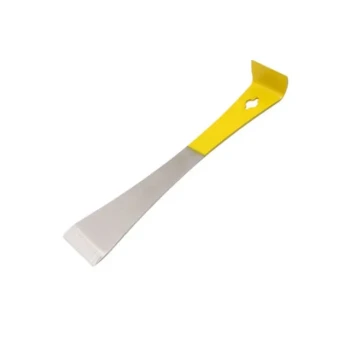
- HONESTBEE Classic Pry Bar Hive Tool with High Visibility Finish for Beekeeping
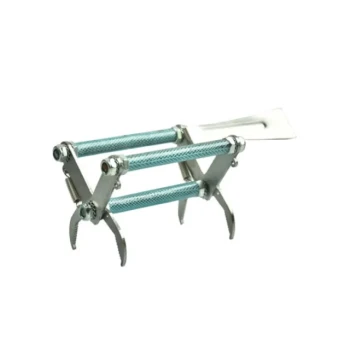
- Durable Rubberized Comfort Handle Frame Grip
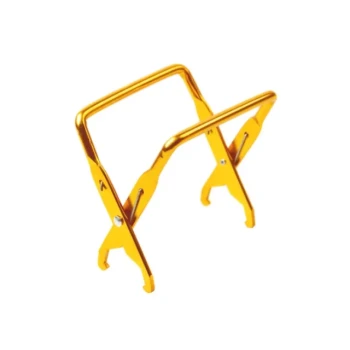
- Lightweight Aluminum Frame Grip
People Also Ask
- What is the purpose of using frame grips in beekeeping operations? Elevate Your Apiary Precision & Hive Safety
- What is a frame grip and how is it used? Secure Your Hive Inspections with Ease
- What is the primary function of frame grips in beekeeping? Master Hive Inspections with Stability
- What are the benefits of using Frame Grips in beekeeping? Boost Efficiency & Protect Your Hive
- How should Frame Grips be maintained after use? A Guide to Biosecurity and Tool Longevity