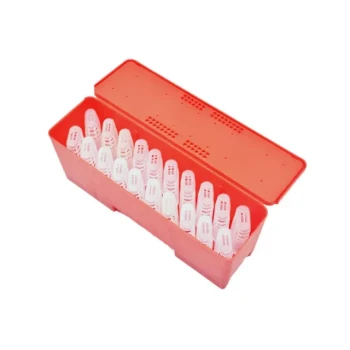
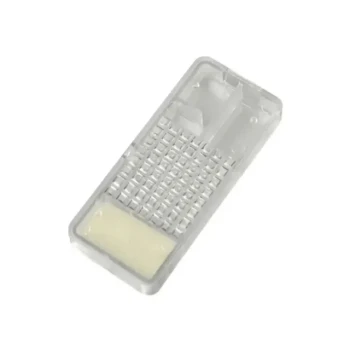
Specialized ventilated cardboard boxes and supplemental feed are critical components for ensuring sample integrity during the transport of live worker bees. Used in conjunction with a food source like candy, these boxes maintain the bees' physiological survival during long-distance travel from field apiaries to the laboratory. By keeping the host bees alive and stable, this method prevents the biological degradation that often compromises viral landscape surveys.
Transporting live bees in a controlled environment is superior to direct field freezing for preserving viral data accuracy. By avoiding freeze-thaw cycles, researchers ensure that the quantitative viral load analysis performed in the lab authentically reflects the conditions in the field.
Ensuring Physiological Survival
The Role of Ventilation
The primary function of specialized cardboard boxes is to provide a breathable isolation environment. Adequate airflow is essential to prevent hypoxia (oxygen deprivation) within the container.
By mimicking the ventilation found in similar tools like plastic bee cages, these boxes minimize environmental stress. This ensures the biological samples arrive in a healthy physiological state, ready for immediate processing or bioassays.
The Necessity of Supplemental Feed
Survival during transport requires more than just air; it requires energy. Supplemental feed, often in the form of candy, provides the necessary carbohydrates to sustain the bees.
This food source prevents starvation and metabolic crash during transit. It allows the bees to regulate their internal systems effectively while removed from the hive.
Preserving Data Accuracy
Stabilizing Viral Titers
The ultimate goal of a viral landscape survey is to measure viral loads accurately. The physiological state of the host bee directly impacts the stability of the virus.
By transporting bees alive, researchers ensure that viral titers (the concentration of the virus) do not fluctuate significantly. This stability is crucial for generating reliable, quantitative data.
The 24-Hour Window
This transport method is specifically effective for durations up to 24 hours. Within this window, the combination of ventilation and feed maintains the sample's authenticity.
This timeframe allows sufficient time to move samples from remote field locations to controlled laboratory environments without compromising the biological "snapshot" of the apiary.
Understanding the Trade-offs: Live Transport vs. Field Freezing
The Risks of Direct Field Freezing
While freezing samples immediately in the field might seem efficient, it introduces significant variables. The primary risk involves freeze-thaw cycles, which can occur if the cold chain is broken during transport.
These temperature fluctuations can degrade viral RNA or DNA, leading to inaccurate measurements. Furthermore, uncontrolled environmental factors during field freezing can skew results before the samples ever reach the lab.
The Advantage of Live Stability
Live transport bypasses the risks associated with maintaining a frozen state in the field. It relies on the bee's own biology to maintain the virus.
However, this method requires careful preparation. If ventilation is blocked or feed is forgotten, the resulting stress or death of the bee will ruin the sample just as effectively as a thaw cycle.
Making the Right Choice for Your Survey
Choosing the correct transport method depends on the specific requirements of your laboratory analysis and the logistics of your collection site.
- If your primary focus is quantitative accuracy: Prioritize live transport to prevent viral titer fluctuations caused by freeze-thaw cycles.
- If your primary focus is logistical reliability: Ensure every transport box is rigorously checked for adequate ventilation and sufficient candy to prevent hypoxia and starvation.
Maintaining the physiological stability of the live host is the most reliable method for securing authentic viral data.
Summary Table:
| Feature | Purpose in Live Transport | Impact on Viral Research |
|---|---|---|
| Ventilated Boxes | Prevents hypoxia and environmental stress. | Maintains host physiology for stable viral titers. |
| Supplemental Feed | Provides energy (carbohydrates) via candy. | Prevents metabolic crash and starvation during transit. |
| Live Transport | Bypasses field freezing and cold-chain risks. | Eliminates freeze-thaw cycles that degrade viral RNA/DNA. |
| 24-Hour Window | Optimizes travel time from field to lab. | Ensures a biological "snapshot" remains authentic for analysis. |
Elevate Your Beekeeping Operations with HONESTBEE
At HONESTBEE, we understand that precision matters—whether you are conducting critical viral research or managing a commercial honey operation. As a dedicated partner to commercial apiaries and distributors, we provide a comprehensive wholesale range of high-quality beekeeping tools, specialized machinery, and essential consumables.
From advanced hive-making and honey-filling machines to durable hardware and unique honey-themed merchandise, our portfolio is designed to enhance your efficiency and scale your business.
Ready to upgrade your equipment? Contact us today to discover how our wholesale solutions can support your apiary's growth and success!
References
- Ana Rita Lopes, M. Alice Pinto. Varroa destructor shapes the unique viral landscapes of the honey bee populations of the Azores archipelago. DOI: 10.1371/journal.ppat.1012337
This article is also based on technical information from HonestBee Knowledge Base .
Related Products
- JZBZ Style Professional Battery Box with 20 Shipping Cages
- Plastic Transporting Bee Packages and Nuc Boxes for Beekeeping
- Professional Queen Bee Introduction and Transport Cage
- Steel Round Disc Entrance Reducer for Flexzion Bee Hive Nuc Box Gate
- Langstroth Screen Bottom Board for Beekeeping Wholesale
People Also Ask
- Why are specialized queen bee cages used for the banking of mated queen bees? Maximize Commercial Apiary Storage Efficiency
- How do different materials in queen bee shipping boxes affect temperature? Optimize Bee Health During Transit
- What is the mechanism of action for using temporary queen bee cages? Master Successful Queen Introduction
- What protective role do independent attendant bee partition compartments play? Ensure Safe Queen Bee Transit
- How do specialized logistics consumables like queen bee transport boxes affect biodiversity? Trade-offs & Trends