Yellow jacket wasps represent a severe biological threat to apiaries because they are aggressive predators capable of dismantling a honey bee colony from the inside out. They utilize a keen sense of smell to track bee pheromones and honey, launching coordinated raids that decimate the workforce, consume the developing brood, and frequently result in the total collapse of the hive.
Yellow jackets do not merely scavenge; during periods of resource scarcity, they actively raid hives to kill worker bees and consume the colony's future—the brood and honeycomb. This aggression often forces the surviving bees to abandon their home, resulting in a total loss for the beekeeper.
How Yellow Jackets Locate and Attack
Yellow jackets are not opportunistic pests that stumble upon hives by accident; they are efficient hunters equipped with sensory tools to locate their targets.
Tracking the Scent
These wasps rely on a highly developed sense of smell to locate apiaries. They can detect the scent of honey stored within the hive from significant distances.
Exploiting Chemical Signals
Beyond the smell of honey, yellow jackets also lock onto the specific pheromones produced by honey bees. These chemical signals, which bees use for communication, inadvertently act as a beacon for these predators.
The Trigger of Scarcity
The threat level escalates significantly during periods when natural resources are low. When food is scarce in the environment, yellow jackets turn their attention toward hives as a concentrated source of nutrition.
The Destructive Impact on the Colony
Once yellow jackets breach a hive, the damage they inflict goes beyond simple theft of honey. They systematically dismantle the colony's population and infrastructure.
Decimating the Workforce
Yellow jackets are aggressive predators that will actively kill adult worker bees defending the hive. This reduces the colony's ability to forage, regulate temperature, and defend against further attacks.
Consuming the Brood and Comb
The raid strikes at the heart of the colony's future. The wasps consume the honeycomb and, more critically, eat the brood (the larvae and pupae). This creates a generational gap that prevents the colony from replacing its lost workers.
The Severity of the Outcome
It is crucial to understand that a yellow jacket infestation is rarely a minor nuisance. The structural damage and stress inflicted on the hive often lead to irreversible consequences.
Loss of the Queen
In the chaos of a raid, the honey bee queen may be killed. Without a queen to lay eggs, the colony has no way to sustain itself and will eventually die out.
Colony Abandonment
Even if the queen survives the initial assault, the stress of the raid can be overwhelming. The surviving colony may be forced to abandon the hive entirely, a behavior known as absconding, leaving the beekeeper with an empty box and a total loss of the stock.
Protecting Your Investment
Understanding the predatory nature of yellow jackets is essential for gauging the risk to your apiary.
- If your primary focus is early detection: Pay close attention to wasp activity during periods of resource scarcity, as this is when raids are most likely to begin.
- If your primary focus is colony survival: Monitor hives for signs of predation, such as chewed comb or diminished brood, to prevent queen loss or colony abandonment.
Vigilance during resource-poor seasons is the most effective defense against the total loss of a colony.
Summary Table:
| Threat Factor | Impact on Honey Bee Colony | Level of Severity |
|---|---|---|
| Scent Detection | Track honey and pheromones from long distances | High |
| Worker Predation | Kill adult bees, reducing the workforce and defense | Critical |
| Brood Consumption | Eat larvae and pupae, preventing colony regeneration | Extreme |
| Hive Stress | Leads to queen loss or total colony abandonment (absconding) | Total Loss |
| Scarcity Driver | Increased aggression during low natural nectar periods | Seasonal High |
Secure Your Apiary Against Predators with HONESTBEE
Yellow jacket raids can dismantle your business in a single season. As a dedicated partner to commercial apiaries and distributors, HONESTBEE provides the professional-grade tools you need to safeguard your investment.
We offer a comprehensive wholesale range of beekeeping machinery, hive-making equipment, and essential consumables designed to keep your colonies robust and productive. Whether you are looking for advanced honey-filling machines or specialized hardware to reinforce your hives, we deliver the quality and scale your operation demands.
Protect your stock and optimize your harvest. Contact HONESTBEE today to discuss our bulk equipment solutions and wholesale pricing.
Related Products
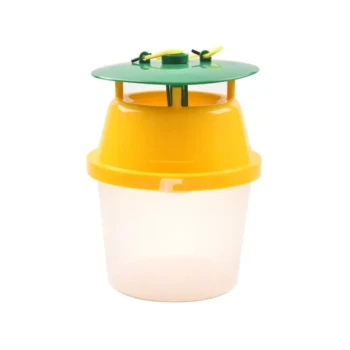
- Compact Multi-Funnel Hanging Wasp Trap
- Professional Bucket Style Wasp and Moth Pheromone Trap
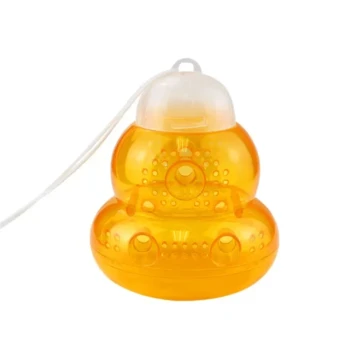
- Gourd Shaped Hanging Wasp Trap Professional Wasp Catcher
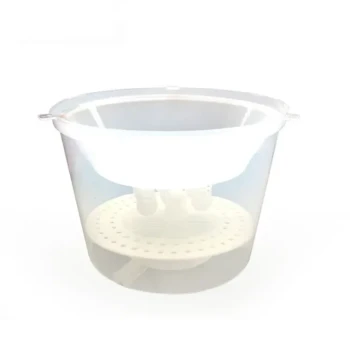
- Professional Multi-Component Bucket Wasp Trap
People Also Ask
- What are the practical advantages of using professional wasp traps and protective equipment in apiary management? Scale Up
- Why replace sugar syrup bait in wasp traps every three days? Ensure Maximum Attraction and Catch Rates
- What is the importance of deploying hornet traps around an apiary for maintaining colony stability? Protect Your Yields.
- What are the advantages of placing hornet traps on the tops of beehives? Maximize Hive Defense Against Predators
- What trapping methods and equipment setups protect commercial apiaries against seasonal hornet predation?