Professional beekeepers often forego gloves to prioritize tactile sensitivity and precision over physical barriers. By maintaining direct skin contact, they can instantly perceive internal hive temperature and the subtle movements of the bees, allowing them to adjust their grip and force to prevent accidental harm to the colony.
The decision to work without gloves is a strategic trade-off: the beekeeper accepts a higher risk of stings to the hands in exchange for enhanced dexterity, which minimizes bee mortality and keeps the overall colony calmer.
The Critical Role of Tactile Feedback
Sensing Hive Conditions
Direct contact allows a beekeeper to perceive the internal temperature of the hive immediately.
By feeling the warmth and vibrations, the beekeeper gains real-time data on colony health and activity levels that would be muffled by thick leather or rubber.
Regulating Applied Force
The primary benefit of bare hands is the ability to finely adjust physical pressure.
When lifting frames or prying apart hive boxes, a gloved hand may inadvertently apply too much force. Without gloves, the beekeeper can feel if a bee is trapped under a finger or tool, stopping immediately before damage occurs.
The Connection Between Dexterity and Safety
Preventing the Defensive Chain Reaction
The safety of a hive inspection relies heavily on preventing the "crushing" of bees.
When a bee is crushed due to clumsy handling, it triggers a defensive stinging response in the surrounding bees. By removing gloves, the beekeeper reduces the chance of crushing bees, thereby preventing the release of alarm signals that would turn the colony aggressive.
Enhancing Equipment Manipulation
Beekeeping involves manipulating wooden frames and metal tools, often stuck together with propolis (bee glue).
Bare hands or light gloves provide the dexterity needed to handle this equipment smoothly. Clumsy movements caused by bulky gloves can jar the hive, which acts as a disturbance signal to the colony.
Understanding the Trade-offs
The Risk of Exposure
While going gloveless improves precision, it removes the critical physical safeguard for the hands.
Hands are the body part most frequently exposed to the colony during inspections. Without the tough barrier provided by professional gloves, the beekeeper is completely vulnerable to stings if the colony becomes unexpectedly agitated.
When Protection is Required
Operating without gloves is generally reserved for routine, non-invasive inspections by experienced professionals.
For invasive checks, high-frequency manual management, or dealing with particularly aggressive genetics, full protective gear is a prerequisite. In these scenarios, the safety of the beekeeper takes precedence to ensure the job can be finished without retreat.
Making the Right Choice for Your Goal
Whether you choose to wear gloves depends on your experience level and the specific nature of the hive intervention.
- If your primary focus is maximizing precision and colony calm: Remove gloves or use ultra-thin nitrile gloves to ensure you can feel the bees and avoid crushing them.
- If your primary focus is personal safety during invasive work: Wear professional-grade beekeeping gloves to create a tough barrier against stings and allow for confident, uninterrupted work.
Mastery in beekeeping is about finding the balance where your equipment provides safety without sacrificing the sensitivity required for gentle management.
Summary Table:
| Factor | Gloveless (Bare Hands) | With Professional Gloves |
|---|---|---|
| Tactile Sensitivity | Maximum: Feel temperature and vibrations | Reduced: Barrier blocks subtle feedback |
| Precision/Dexterity | High: Easy to handle tools and frames | Moderate: Bulky materials can be clumsy |
| Bee Safety | High: Minimizes accidental crushing | Lower: Harder to feel bees under fingers |
| Sting Protection | None: Hands are fully exposed | High: Tough barrier against stings |
| Best Use Case | Routine inspections by pros | Invasive work or aggressive colonies |
Elevate Your Apiary Operations with HONESTBEE
At HONESTBEE, we understand that professional beekeeping requires the perfect balance of protection and precision. Whether you are a commercial apiary looking for high-dexterity protective gear or a distributor sourcing industrial-grade machinery, we provide the full spectrum of tools you need. From specialized hive-making and honey-filling machines to essential consumables and honey-themed cultural merchandise, our wholesale offerings are designed to scale your business.
Ready to upgrade your equipment? Contact us today to discover how our comprehensive beekeeping solutions can enhance your efficiency and colony management.
References
- Juliusz Galiński. Beekeepers' beecomings and the agency of a bee. DOI: 10.23858/ep66.2022.3061
This article is also based on technical information from HonestBee Knowledge Base .
Related Products
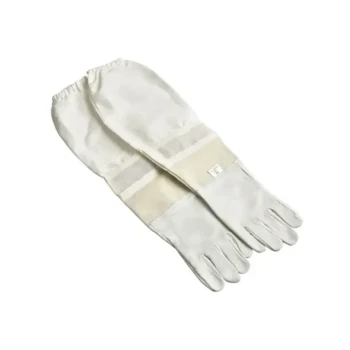
- Beekeeping Gloves Goatskin Leather with Long Cotton Sleeve for Beekeepers
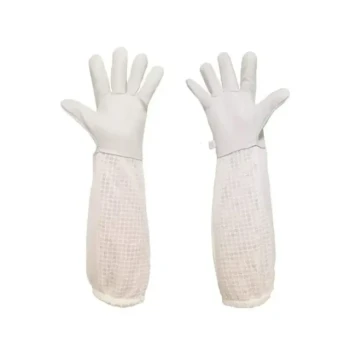
- Goatskin Leather Beekeeper Gloves with Vent Long Sleeve for Beekeeping Honey Bee Sting Proof Protection
- Goat Skin Leather Bee Sting Proof Beekeeping Gloves with Canvas Sleeve
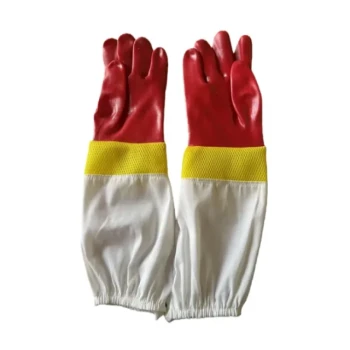
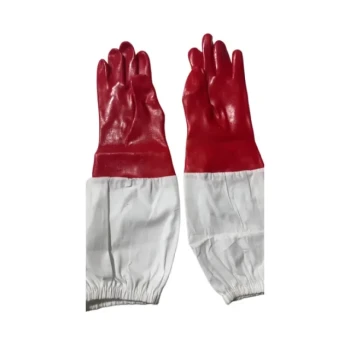
- Heavy Duty Red Rubber Beekeeping Gloves with Vented Mesh Cotton Sleeves
- Heavy Duty Red Rubber Beekeeping Gloves with Extended Pure Cotton Sleeves for Beekeepers
People Also Ask
- What are the characteristics of the best gloves for beekeeping? Choose Protection & Dexterity
- What are the primary purposes of using beekeeping gloves? Protect Your Hands and Ensure Apiary Hygiene
- What types of gloves are available for beekeeping? Choose the Right Protection for Your Hive
- Why is it important for beekeepers to wear gloves? Essential Safety and Confidence for Hive Management
- Why do some experienced beekeepers opt not to wear gloves? Discover the Benefits of Tactile Precision