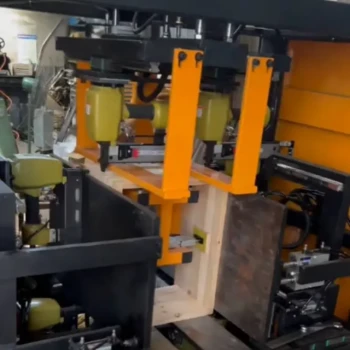
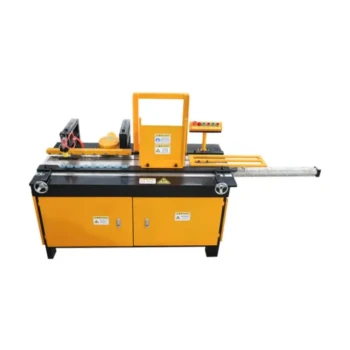
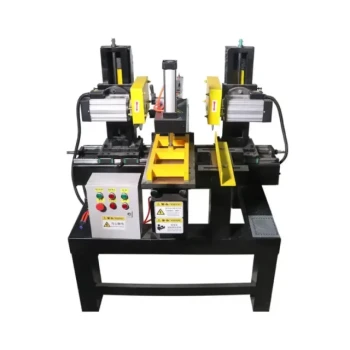
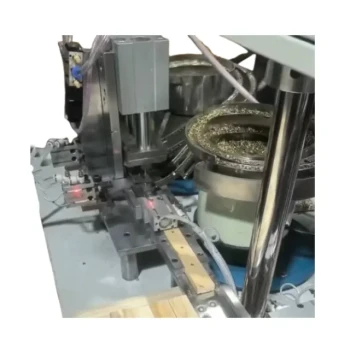
Automated hive-making machinery is the backbone of modern commercial apiaries because it guarantees the high dimensional accuracy required for equipment universality. By ensuring a perfect fit between frames and hive bodies, this technology eliminates the irregularities of manual construction that hinder industrial-scale maintenance. It is the fundamental enabler for part interchangeability and efficient, mechanized honey harvesting across global markets.
The transition from small-scale beekeeping to industrial operation rests on precision manufacturing; without the strict standardization provided by automated machinery, mechanized processing and rapid colony expansion are operationally impossible.
The Necessity of Absolute Precision
Ensuring Component Interchangeability
In a large-scale operation, every frame must fit into every hive body without exception. Automated machinery ensures high dimensional accuracy, allowing beekeepers to swap components between thousands of colonies instantly. This universality is critical for managing equipment inventories efficiently across global markets.
Enabling Mechanized Harvesting
Industrial honey harvesting relies on automated uncapping and extraction lines that require uniform frame dimensions. Manually constructed hives often have slight variances that cause jams or damage in these machines. Precision manufacturing guarantees the perfect fit required for these automated lines to function smoothly.
Streamlining Cross-Regional Transport
Commercial apiaries often transport colonies over vast distances for pollination services. Standardized hive structures, such as Langstroth specifications, allow for secure stacking and efficient packing on trucks. Uniform dimensions prevent instability during transport, protecting the structural integrity of the hives.
Impact on Colony Health and Biology
Reducing Bee Stress
Bees are sensitive to the "bee space"—the precise gap they leave between combs for movement. Improper gaps caused by manufacturing errors force bees to waste energy sealing gaps with propolis or building burr comb. Precision machinery eliminates these irregularities, significantly reducing biological stress on the colony.
Improving Disease Control and Hygiene
Standardized, smooth components allow for better sealing performance and easier cleaning. This facilitates precise hygiene management, which is vital when managing hundreds of colonies. Consistent housing standards help mitigate risks associated with pests and diseases by eliminating physical defects where pathogens could harbor.
Economic and Strategic Advantages
Facilitating Rapid Expansion
Manual construction is a bottleneck for growth; automated machinery enables the rapid mass production of hive components. This allows operations to expand colony counts quickly without waiting for equipment, ensuring the infrastructure keeps pace with biological growth.
Lowering Long-Term Maintenance Costs
Mass production reduces the acquisition cost of individual units through economies of scale. Furthermore, because parts are standardized, maintenance and replacement are simplified. Broken components can be replaced with off-the-shelf parts rather than requiring custom repairs.
Understanding the Trade-offs
High Initial Capital Investment
Implementing automated hive-making machinery requires a significant upfront financial commitment compared to manual tools. Smaller operations may find the Return on Investment (ROI) difficult to justify unless they are scaling aggressively.
Reduced Design Flexibility
Automated machinery excels at producing standard specifications (like Langstroth) but lacks flexibility. If a specific bee subspecies or local climate requires a non-standard custom hive design, retooling these machines can be costly and time-consuming.
Making the Right Choice for Your Goal
To maximize the value of your equipment investment, align your machinery choice with your specific operational targets:
- If your primary focus is mechanized harvesting: Prioritize machinery that guarantees strict tolerance levels to prevent jamming in extraction lines.
- If your primary focus is pollination services: Ensure the machinery produces standardized, stackable components optimized for transport stability.
- If your primary focus is rapid scaling: Look for high-throughput systems that lower the unit cost of production to support aggressive colony expansion.
Standardization is not just about convenience; it is the structural foundation that turns a beekeeping hobby into a scalable, industrial enterprise.
Summary Table:
| Key Feature | Benefit for Commercial Apiaries | Impact on Scalability |
|---|---|---|
| High Dimensional Accuracy | Ensures component interchangeability and perfect fit. | High: Enables seamless equipment management. |
| Standardized Manufacturing | Facilitates mechanized honey harvesting and extraction. | Essential: Prevents machine jams/downtime. |
| Mass Production Capability | Rapidly creates infrastructure for new colonies. | High: Supports aggressive growth targets. |
| Structural Uniformity | Enhances stability during long-distance transport. | Medium: Vital for pollination services. |
| Precision 'Bee Space' | Reduces colony stress and burr comb construction. | Medium: Improves overall hive productivity. |
Revolutionize Your Apiary Operations with HONESTBEE
Transitioning to an industrial scale requires more than just passion—it requires uncompromising precision. At HONESTBEE, we specialize in empowering commercial apiaries and distributors with the high-performance tools needed to dominate the global market.
Our comprehensive wholesale portfolio includes:
- Advanced Machinery: Precision hive-making and honey-filling machines designed for absolute standardization.
- Durable Hardware: A full spectrum of beekeeping tools and equipment built for heavy-duty use.
- Industry Consumables: Every essential item to keep your operations running smoothly.
- Cultural Merchandise: Honey-themed goods to diversify your brand's reach.
Ready to eliminate manufacturing bottlenecks and maximize your ROI? Let HONESTBEE provide the structural foundation for your expansion.
Contact Our Experts Today to discuss custom solutions for your commercial success.
References
- Claire Preston. Buzz: Urban Beekeeping and the Power of the Bee. DOI: 10.1080/08927936.2015.1093296
This article is also based on technical information from HonestBee Knowledge Base .
Related Products
- Automatic High-Speed Bee Hive Box Stapling Machine
- High-Efficiency Pneumatic Bee Hive Making Machine for Rapid Box Assembly
- Beehive Handle and Frame Rest Cutting Machine: Your Specialized Hive Machine
- Mini Desktop Bee Hive Frame Forming Making Machine
- Beehive Machine Double End Saw for Precision Hive Component Manufacturing
People Also Ask
- How is the Bee Box machine adjusted for different box sizes? Maximize Your Woodworking Versatility and Precision
- How is the Bee Box machine operated? Optimize Your Commercial Hive Production with Scalable Staffing Solutions
- How was the Bee Box machine designed? Industrial Engineering for High-Volume Beekeeping Production
- What is the production capacity of the Bee Box machine? Boost Output up to 1,000 Boxes Daily
- What are the power requirements and control system for the Bee Box machine? Optimize Your Apiary Equipment Production