Beeswax acts as a biological archive for the environment surrounding a hive. Because of its lipophilic (fat-loving) chemical nature, it readily absorbs and retains various substances from the ecosystem, making it an invaluable tool for analyzing long-term environmental exposure rather than just a snapshot in time.
Beeswax serves as a long-term storage medium for environmental contaminants due to its ability to absorb fat-soluble compounds. Analyzing the mineral content in wax allows apiarists to track pollution levels across agricultural ecosystems and is essential for certifying high-purity organic honey.
The Science of Accumulation
The Lipophilic Factor
Beeswax is defined by its lipophilic properties, meaning it chemically binds with fats and oils.
This characteristic transforms the honeycomb into a passive sampling device. It naturally accumulates substances from the surrounding environment that might otherwise dissipate quickly.
Tracking Through Mineral Components
To understand a colony's history, researchers analyze the mineral components embedded within the beeswax and the foundation (comb).
These mineral signatures provide concrete data regarding what the bees have encountered during their foraging.
Long-Term Environmental Surveillance
Monitoring Agricultural Ecosystems
Unlike nectar or pollen, which are consumed or stored for shorter periods, beeswax structures remain in the hive for the long term.
This persistence allows for the tracking of long-term exposure of honeybee colonies.
It provides a cumulative record of the environmental conditions within different agricultural ecosystems.
Beyond Immediate Detection
Standard sampling methods often miss transient pollutants.
Beeswax solves this by retaining a history of exposure, revealing trends that single-point testing might miss.
Challenges in Organic Production
The Heavy Metal Risk
The very property that makes beeswax useful for monitoring—its ability to accumulate substances—poses a significant challenge for purity.
Beeswax can trap and hold heavy metals found in the environment.
If the wax is contaminated, it becomes a reservoir for toxins within the hive.
Prerequisites for Purity
For apiarists targeting the organic market, the purity of the wax is as critical as the purity of the nectar.
Strictly controlling the heavy metal content in beeswax is a necessary prerequisite for organic production.
You cannot ensure the production of high-purity organic honey without first verifying the cleanliness of the wax foundation.
Applying This Knowledge to Hive Management
Whether you are conducting research or managing a commercial apiary, wax analysis is a vital diagnostic tool.
- If your primary focus is environmental monitoring: Use wax analysis to track cumulative mineral exposure and identify long-term trends within your agricultural ecosystem.
- If your primary focus is organic certification: Rigorously test your beeswax foundation for heavy metals to guarantee the integrity and safety of your final honey product.
By treating beeswax as a diagnostic record rather than just a byproduct, you secure the health of your colony and the quality of your harvest.
Summary Table:
| Feature | Significance in Environmental Monitoring |
|---|---|
| Chemical Nature | Lipophilic (fat-loving) properties allow absorption of fat-soluble contaminants. |
| Accumulation | Acts as a long-term archive for minerals and heavy metals compared to transient nectar. |
| Ecosystem Tracking | Provides a cumulative history of exposure across agricultural landscapes. |
| Purity Standard | Low heavy metal content is a prerequisite for high-quality organic honey certification. |
Elevate Your Apiary’s Standards with HONESTBEE
Understanding the science behind your beeswax is just the first step toward a high-purity harvest. At HONESTBEE, we empower commercial apiaries and distributors by supplying the professional-grade tools and machinery needed to maintain superior hive health and product integrity.
From heavy-duty hive-making and honey-filling machines to premium beekeeping hardware and essential consumables, our comprehensive wholesale portfolio is designed to help you scale your operations efficiently. Whether you are aiming for organic certification or expanding your retail reach with honey-themed cultural merchandise, we provide the industrial-strength solutions you need.
Ready to optimize your production and ensure the highest quality standards?
Contact HONESTBEE Today for Wholesale Solutions
References
- L. Kovalska, Л. І. Романів. Mineral and lipid composition of beekeeping products and quality for the traditional and organic production at Polissya. DOI: 10.15407/animbiol18.01.040
This article is also based on technical information from HonestBee Knowledge Base .
Related Products
- Beeswax Foundation Sheets Beehive Foundation for Wholesale
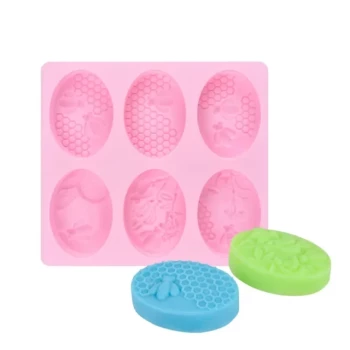
- Colorful Silicone Beeswax Foundation Mold Mould for Beekeeping
- Economy Manual Beeswax Embossing Mill Wax Foundation Machine Roller
- Beeswax Melter for Candle Making Honey Bee Wax Melter
- Electric Beeswax Flat Sheet Machine with Operating Tray for Wax Processing
People Also Ask
- What are the technical advantages of beeswax foundations and feeding tools? Optimize Your Bee Breeding Phase
- Why is the regular exchange and replacement of beeswax foundations encouraged? Boost Honey Yield & Hive Biosafety
- What are the negative consequences of using old or contaminated beeswax in foundations? Protect Your Hive Today
- Why is high-purity natural beeswax essential for foundations? Prevent Larval Mortality & Boost Colony Health
- What are the specific advantages of regular comb replacement? Boost Hive Health with New Beeswax Foundations