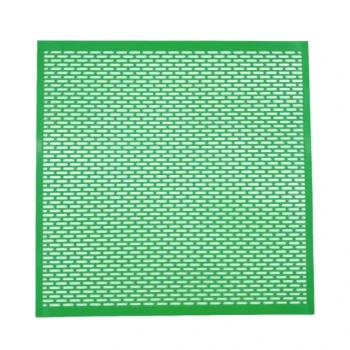
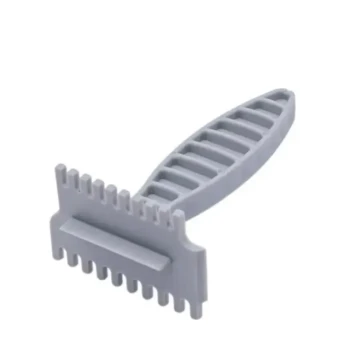
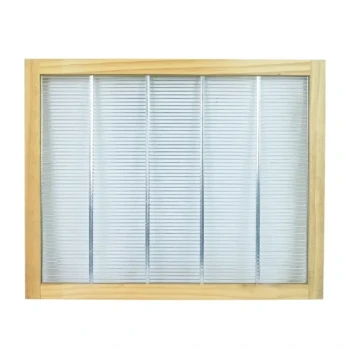
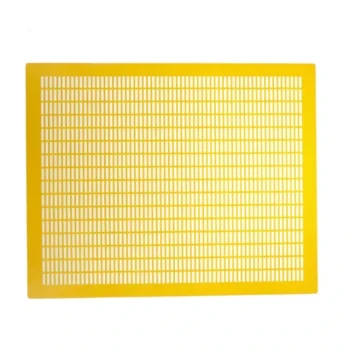
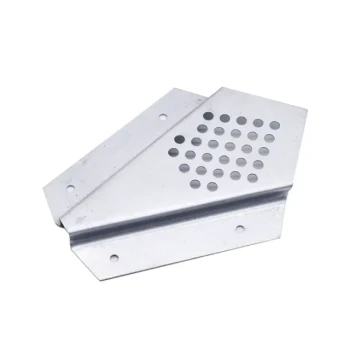
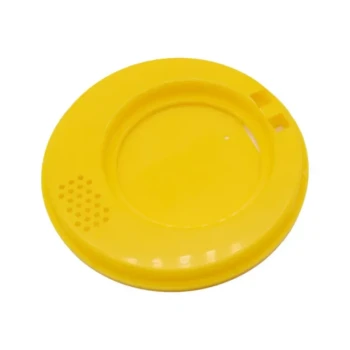
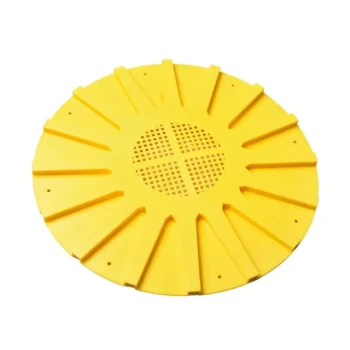
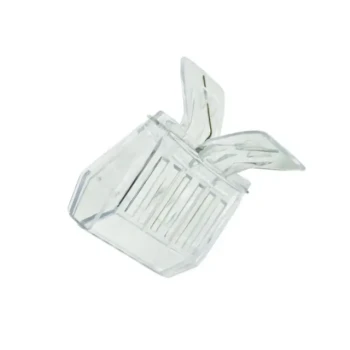
Fused Deposition Modeling (FDM) is utilized primarily because it provides a cost-effective and highly accessible manufacturing solution for components that do not require extreme surface precision. Unlike more expensive alternatives like Stereolithography (SLA), FDM delivers functional parts that meet the specific mechanical needs of honeybee management without incurring unnecessary production costs.
The choice of FDM is driven by value engineering: it balances low production costs with sufficient functionality. By accepting lower surface precision for parts where it is not critical, manufacturers create a scalable solution for honeybee egg collection systems.
The Economics of Production
Cost-Effectiveness vs. Alternatives
FDM is selected largely due to its affordability compared to high-fidelity methods like SLA. For agricultural tools and research equipment, minimizing the cost per unit is often a critical constraint.
Accessibility of Technology
Beyond raw material costs, FDM technology is highly accessible. This availability allows researchers and beekeepers to produce tools locally without relying on specialized, industrial-grade resin systems.
Functional Requirements and Precision
Evaluating Surface Finish Needs
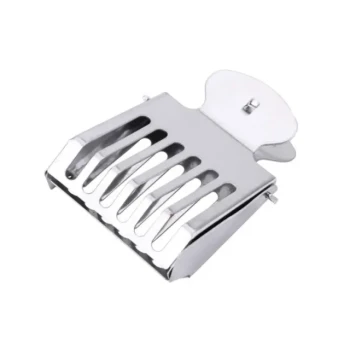
Queen excluders possess lower surface precision requirements. The ultra-smooth finish provided by SLA is not functionally necessary for the device to operate effectively within the hive.
Balancing Function and Form
The primary goal is mechanical exclusion, not aesthetic perfection. FDM achieves the necessary geometry to separate the queen from the worker bees effectively, validating the decision to prioritize cost over resolution.
Streamlining the Workflow
Post-Processing Efficiency
The workflow for FDM parts is relatively straightforward. Once printing is complete, the operator simply needs to remove the support structures.
Final Assembly and Deployment
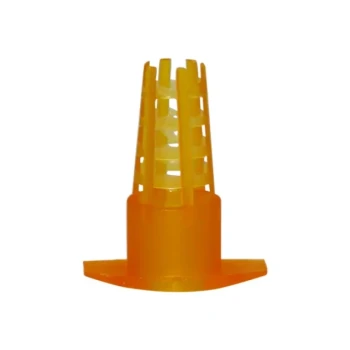
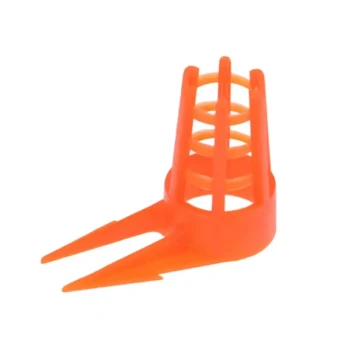
Following support removal, film gates are installed to finalize the mechanism. At this stage, the excluder is fully functional and ready for immediate deployment in the egg collection system.
Understanding the Trade-offs
Surface Quality Limitations
It is important to acknowledge that FDM produces parts with visible layer lines. While acceptable for this application, this lack of smoothness would be a detriment in scenarios requiring a perfect seal or microscopic detail.
Precision vs. Cost
Using FDM is a calculated compromise. You sacrifice the high-resolution fidelity characteristic of SLA, but gain significant savings in material and operational costs in return.
Making the Right Choice for Your Project
Selecting the right manufacturing method depends on your specific constraints regarding budget and part fidelity.
- If your primary focus is cost efficiency: Utilize FDM to minimize expenses while ensuring the component remains mechanically functional for hive management.
- If your primary focus is surface perfection: Recognize that while SLA offers smoother finishes, it is likely an unnecessary expense for standard queen excluders.
Ultimately, FDM represents the pragmatic choice for honeybee research, aligning manufacturing capability directly with the practical realities of the hive.
Summary Table:
| Feature | FDM Technology | SLA Technology |
|---|---|---|
| Cost per Unit | Low (Economic) | High (Premium) |
| Surface Precision | Moderate (Visible Layer Lines) | Ultra-High (Smooth) |
| Post-Processing | Simple Support Removal | Complex Resin Washing/Curing |
| Primary Benefit | Scalability & Accessibility | Aesthetic & Detail Perfection |
| Suitability | Ideal for Functional Farm Tools | Best for High-Detail Prototypes |
Scale Your Beekeeping Operations with HONESTBEE
At HONESTBEE, we specialize in empowering commercial apiaries and global distributors with the tools needed for industrial success. Whether you are looking for high-efficiency honey-filling machines, precision hive-making equipment, or a bulk supply of essential consumables, we provide the full spectrum of beekeeping hardware and cultural merchandise.
Our team understands the balance between cost-effectiveness and mechanical functionality. Let us help you optimize your production with specialized machinery and wholesale tools designed for the modern honey industry.
Ready to elevate your inventory? Contact us today to discuss your wholesale needs!
References
- Jae Ho Lee, Si Hyeock Lee. Development of a film-assisted honeybee egg collection system (FECS). DOI: 10.1007/s13592-019-00687-8
This article is also based on technical information from HonestBee Knowledge Base .
Related Products
- High Performance Plastic Queen Excluder for Beekeeping and Apiary Management
- Lightweight Durable Plastic Queen Excluder Scraper for Beekeeping
- Premium Wood Framed Metal Wire Queen Bee Excluder
- Professional Plastic Queen Excluder for Modern Beekeeping
- Metal Queen Bee Excluder for Beekeeping
People Also Ask
- What are the characteristics of a plastic queen excluder? Key Benefits for Cost-Effective Beekeeping
- What are the operational and cost advantages of using plastic queen excluders over metal or wire excluders in commercial hive management? Discover how they reduce labor, prevent wing damage, and lower total costs.
- What types of queen excluders are available for beekeepers? Choose the Right Tool for Your Hive
- Why are standardized hive frames and queen excluders essential for maintaining honey purity and quality? Scale Your Purity
- Do plastic queen excluders work? A Cost-Effective Solution for Modern Apiaries