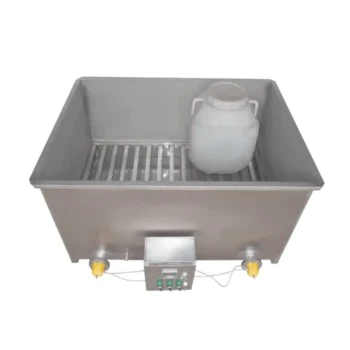
High-density thermal insulation is a critical component for maintaining the operational integrity of honey dehydration equipment. By wrapping circulation pipes and water tanks in materials like thermosetting foam, the system drastically minimizes heat loss during the transfer of fluids. This ensures that the thermal energy generated by electric heaters is utilized efficiently, rather than dissipating into the surrounding environment.
The use of high-density insulation turns the dehydration unit into a precision system; it serves the dual purpose of slashing energy overhead while ensuring the thermal stability required for processing sensitive products like honey.
Maximizing Energy Efficiency
Preventing Heat Dissipation
Circulation pipes and water tanks present a large surface area where thermal energy can easily escape. Without protection, the heat generated for the process would rapidly bleed into the ambient air.
High-density insulation acts as a robust thermal barrier. It effectively traps heat within the system, ensuring that energy is directed toward the dehydration process rather than being wasted.
Reducing Heater Workload
The primary source of heat in these systems is typically an electric heater. When heat is lost through uninsulated pipes, these heaters must work harder and cycle more frequently to compensate.
By minimizing this loss, the insulation significantly reduces the load on the heating elements. This directly translates to lower electricity consumption and improved overall energy efficiency for the facility.
Ensuring Process Precision
Stabilizing the Hot Water Jacket
The core of the dehydration process often relies on a "hot water jacket" to heat the honey indirectly. The temperature of the water circulating through this jacket must remain constant to be effective.
Insulation on the supply pipes and tanks guarantees that water enters the jacket at the correct temperature. It prevents the fluid from cooling down during transit, maintaining a steady thermal state.
Improving Control Accuracy
Honey is a heat-sensitive product that requires specific temperatures to dehydrate without degrading quality. Fluctuations in the heating medium can lead to inconsistent results.
High-density insulation isolates the system from external temperature changes. This isolation allows for precise process temperature control, ensuring the equipment operates exactly within the set parameters.
Understanding the Trade-offs
Upfront Cost vs. Long-term Gain
High-density materials, such as specialized thermosetting foams, are more expensive than standard insulation or leaving pipes bare. Utilizing these materials increases the initial capital cost of the machinery.
Maintenance Accessibility
Thick insulation layers can obscure the actual surface of the pipes and tanks. This can make visual inspections for leaks or corrosion more difficult, requiring operators to rely on sensors or periodic removal of insulation for maintenance checks.
Optimizing Your Dehydration Setup
- If your primary focus is Operational Cost: Prioritize high-density insulation to lower your monthly electric bill by reducing the active duty cycle of your heaters.
- If your primary focus is Product Quality: Rely on this insulation to maintain the strict temperature stability needed to preserve the enzymes and flavor profile of the honey.
By treating insulation as a functional component rather than an accessory, you ensure your equipment runs at peak efficiency and precision.
Summary Table:
| Feature | Benefit of High-Density Insulation | Impact on Honey Processing |
|---|---|---|
| Energy Conservation | Minimizes heat dissipation from pipes/tanks | Reduces electricity bills and heater wear |
| Thermal Stability | Maintains constant water jacket temperature | Protects heat-sensitive honey enzymes/flavor |
| System Precision | Isolates process from ambient temperature | Ensures consistent, high-quality dehydration |
| Operational Load | Decreases heating element duty cycles | Extends equipment lifespan and reliability |
Elevate Your Honey Production with HONESTBEE
Maximize your apiary's efficiency with professional-grade honey dehydration solutions. At HONESTBEE, we specialize in providing commercial apiaries and distributors with the full spectrum of beekeeping tools—from specialized machinery like honey-filling and hive-making units to high-performance dehydration equipment featuring superior insulation.
Ready to reduce your operational costs and protect your honey's premium quality? Our team is dedicated to supplying the specialized hardware and industry consumables you need to thrive. Contact us today to discuss your wholesale equipment needs and see how our comprehensive portfolio can optimize your business.
References
- R. S. Gill, S. S. Dhaliwal. A small scale honey dehydrator. DOI: 10.1007/s13197-015-1760-0
This article is also based on technical information from HonestBee Knowledge Base .
Related Products
- 0.5T Capacity Honey Dehumidifier Dryer with Vacuum Heating and Thickening Filtering Machine
- High Quality Honey Dehumidifier Dryer Thickening Machine for Beekeeping
- Economy Small Scale Honey Dryer Dehumidifier Thickening Machine
- Honey Concentrating and Filtering Dehumidifier Machine 2T Capacity for Honey
- Honey Concentrating Vacuum Heating Thickening Machine Dehumidifier for Honey
People Also Ask
- What is the primary function of professional dehumidification equipment in honey processing? Stability & Quality
- How to dry up honey? The Safe Guide to Stabilizing Honey and Preventing Fermentation
- What is the process for using a dehumidifier to lower honey's moisture content? Expert Drying Techniques
- How to decrease moisture in honey? Prevent Fermentation and Ensure Long-Term Quality
- How to remove humidity from honey? Protect Your Harvest from Fermentation