Standardized health surveillance turns hive inspections into reliable management data. For commercial apiaries, consistent protocols ensure that pest counts, brood condition, frame condition, and other observations are recorded the same way across colonies, locations, and seasons. This comparability helps operators establish normal disease levels, detect outbreaks early, identify geographic hotspots, and act before losses become widespread.
The value of hive monitoring and inspection tools depends on how consistently they are used. Standardized protocols transform individual inspections into a dependable surveillance system that supports early intervention, better resource allocation, and more stable commercial production.
Why Commercial Apiaries Need Standardized Surveillance
Establishing a reliable health baseline
Every apiary has a normal range of pest pressure, brood condition, colony strength, and seasonal variation. Standardized inspections establish that baseline so managers can distinguish routine changes from genuine health threats.
Without consistent methods, a higher pest count may reflect a real outbreak—or simply a different inspector, tool, location, or recording habit.
Detecting outbreaks before they spread
Uniform observations make it easier to identify abnormal trends across multiple colonies. Early signals may include rising pest counts, deteriorating brood health, or repeated abnormalities in frame condition.
Rapid detection gives operators time to isolate affected colonies, adjust management practices, and limit pathogen transmission across the apiary.
Identifying geographic and seasonal hotspots
Commercial operations often manage colonies across multiple sites or move them during migratory production. Recording observations using the same protocol allows managers to compare locations and identify areas with elevated disease or environmental risk.
Combining health observations with colony density, seasonal movement, and environmental conditions can reveal recurring threats that require proactive planning.
How Standardized Tools Improve Data Quality
Making inspections comparable
Hive tools, smokers, protective equipment, and monitoring tools are most useful when inspectors apply them within a defined procedure. The protocol should specify what is inspected, how findings are recorded, and which conditions require escalation.
This creates a common reference point across employees, apiary sites, and inspection dates.
Supporting safe and accurate inspections
Regular inspections allow beekeepers to evaluate pest loads, disease symptoms, food reserves, and colony development. Appropriate tools help personnel conduct these checks safely while minimizing unnecessary disturbance to the bees.
The objective is not to inspect constantly, but to inspect consistently and with a clear purpose.
Improving equipment interoperability
Standardized hive specifications and interchangeable components support efficient inspections, hive expansion, pest control, and harvesting. When frames and hive components follow uniform dimensions, inspection teams can work more efficiently across large inventories.
For distributors and B2B resellers, this makes compatibility an important consideration when supplying hive hardware and inspection equipment as part of a complete apiary solution.
Turning Inspection Records Into Decisions
Tracking colony performance over time
Detailed inspection logs provide a historical record of colony development and health. Managers can compare current findings with previous inspections to determine whether a colony is improving, declining, or deviating from its expected pattern.
The record also verifies that required inspection steps were completed rather than relying on memory or informal observations.
Evaluating management strategies
Aggregate surveillance data helps operators assess whether pest-control, disease-management, migration, and husbandry strategies are producing the intended results. A consistent dataset makes these evaluations more credible because changes are not confused with inconsistent inspection methods.
This supports evidence-based decisions instead of responding only to visible colony losses.
Coordinating maintenance and supplies
Inspection records can function as an equipment-management checklist. Findings may indicate when to replace damaged entrance reducers, add honey supers, inspect hive structures, or prepare other components.
For commercial operators, this improves resource allocation and helps ensure that essential equipment is available when needed.
Building a Practical Commercial Protocol
Define the inspection criteria
A useful protocol should clearly identify the observations that matter, such as:
- Pest counts or pest-pressure indicators
- Brood health and visible disease symptoms
- Frame and hive condition
- Food reserves and honey deposition
- Colony strength and colonization status
- Hive positioning and environmental risk factors
The same criteria should be used across comparable colonies and locations.
Standardize the recording process
Inspectors should use consistent terminology, measurement methods, and record formats. Each entry should identify the colony, location, inspection date, observed condition, and any follow-up action.
This structure makes records easier to aggregate and compare across the operation.
Match inspection frequency to operating conditions
Regular inspections are essential, but excessive disturbance can stress colonies. The appropriate schedule should reflect season, migration, disease risk, weather, and the apiary’s management system rather than applying an inflexible frequency everywhere.
The key requirement is consistency: inspections should occur often enough to detect meaningful changes and follow the same core procedure each time.
Use standardized hive infrastructure
Uniform hives and interchangeable components make inspections, relocation, expansion, and harvesting more efficient. They also support more consistent emergency responses when colonies must be isolated, closed, or relocated because of nearby pesticide applications or other hazards.
Adequate ventilation and temperature control remain important during any temporary isolation or protection measure.
Understanding the Trade-offs
Standardization does not replace expertise
A protocol improves consistency, but it cannot interpret every biological or environmental situation automatically. Experienced personnel are still needed to recognize unusual symptoms, understand local risk factors, and decide when a finding requires intervention.
Standardization should support professional judgment, not eliminate it.
More data can create administrative burden
Commercial surveillance generates a substantial amount of information. If records are too complex, inspectors may enter incomplete or inconsistent data.
The best protocol records the observations needed for action without adding unnecessary steps that reduce compliance.
Strict uniformity can ignore local differences
Different sites may face different disease pressures, climates, forage conditions, or migration patterns. Core observations should remain consistent, while site-specific risk fields and escalation thresholds may need to be added.
A strong system combines a common foundation with controlled flexibility.
Tool quality affects operational reliability
Reliable hive hardware and inspection tools support safe, repeatable work. However, standardized equipment alone does not create standardized data; personnel must also be trained to use the tools and record findings in the same manner.
For procurement teams, compatibility, durability, availability, and delivery reliability should be evaluated alongside unit price.
Making the Right Choice for Your Goal
A standardized surveillance program should be designed around both biological risk and operational scale.
- If your primary focus is early disease detection: Use uniform observations for pest pressure, brood health, and visible symptoms so abnormal changes can be identified before pathogens spread widely.
- If your primary focus is multi-site apiary management: Use common inspection and recording procedures across locations to compare disease prevalence, seasonal risks, and colony performance.
- If your primary focus is operational efficiency: Combine standardized hives, interchangeable components, and dependable inspection tools to streamline routine inspections, expansion, migration, and harvesting.
- If your primary focus is procurement and supply continuity: Source compatible hive hardware, inspection tools, protective equipment, and maintenance items as a coordinated product set supported by reliable fulfillment and technical service.
- If your primary focus is reducing colony losses: Use aggregated surveillance records to evaluate management strategies and intervene before localized health problems become widespread losses.
Standardized surveillance gives commercial apiaries the evidence and consistency needed to turn routine inspections into timely, defensible health-management decisions.
Summary Table:
| Benefit | Description |
|---|---|
| Reliable Baseline | Consistent methods establish normal health ranges for your apiary. |
| Early Detection | Uniform observations help spot abnormal trends before outbreaks spread. |
| Hotspot Identification | Compare across sites to pinpoint high-risk areas. |
| Data Comparability | Standardized records enable meaningful historical analysis. |
| Informed Decisions | Aggregate data supports evidence-based management strategies. |
Ready to enhance your apiary's health surveillance? HONESTBEE offers a full range of standardized hive monitoring tools, inspection equipment, and compatible hive components to help you implement effective protocols. Our comprehensive wholesale supply ensures you get durable, reliable equipment with fast delivery and dedicated support. Whether for early disease detection, multi-site management, or operational efficiency, our team provides OEM/ODM support and certifications for distributors. Contact us today to secure your supply chain and maximize your profit margins.
Related Products
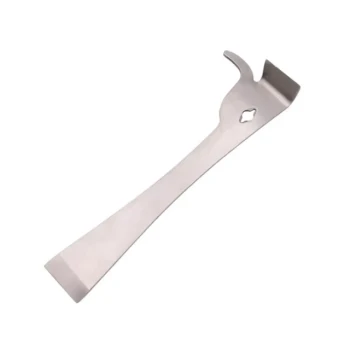
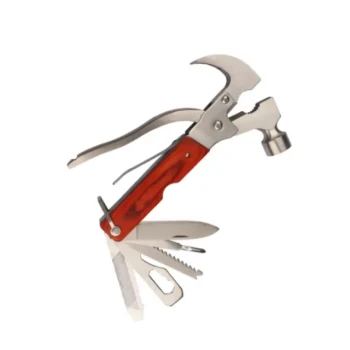
- Professional Multi-Function Stainless Steel Hive Tool
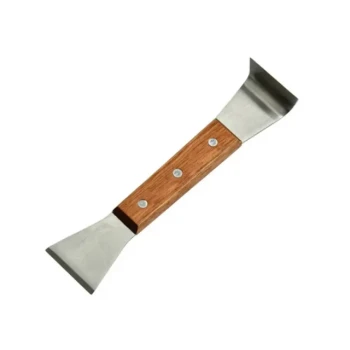
- HONESTBEE Professional Multi-Functional Hive Tool with Ergonomic Wood Handle
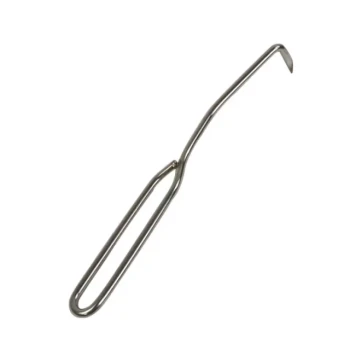
- Professional Dual-End Stainless Steel Hive Tool for Beekeeping
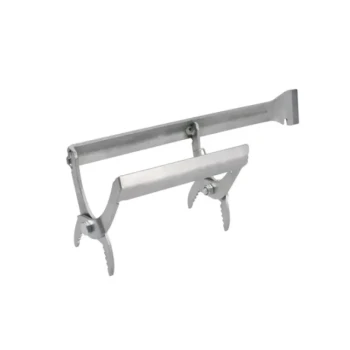
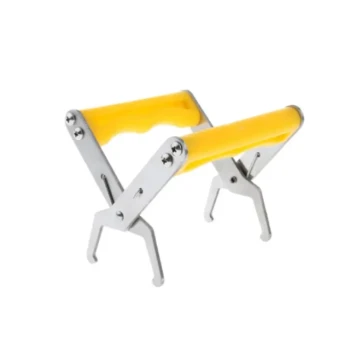
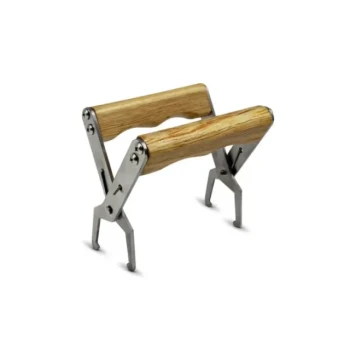
- Multi-Function Plier-Style Frame Grip Hive Tool
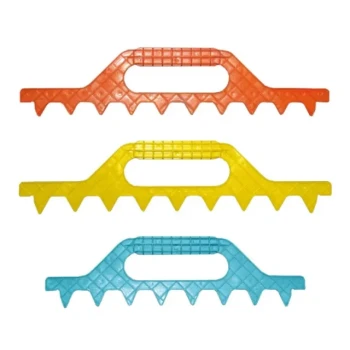
- Ergonomic Plastic Frame Spacer Tool for Rapid Hive Management Beekeeping
People Also Ask
- Why are professional hive tools considered indispensable? Master Beekeeping Maintenance with Precision Leverage
- What is the role of professional hive tools in routine apiary maintenance? Expert Tips for Hive Health and Longevity
- What are the benefits of a multi-functional hive tool? Streamline Your Apiary Workflow with One Tool
- What advantages do multi-functional hive tools offer? Maximize Your Apiary Efficiency and Workflow
- What are the common construction features of hive tools? Key Insights for Superior Beekeeping Efficiency