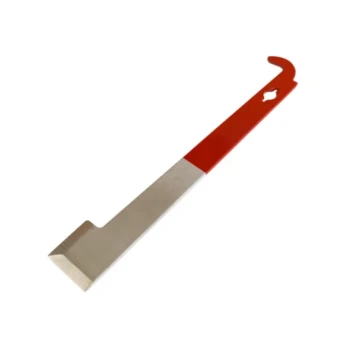
Minimizing disturbance is critical because opening a hive fundamentally disrupts the bees' established routine. External factors such as full sunlight, the introduction of smoke, and the physical shifting of internal components agitate the colony, creating a state of stress that can persist for a day or more. Good stewardship requires gathering necessary information quickly and calmly to limit this negative impact on the bees.
Every inspection imposes a specific cost on the colony in the form of stress and interrupted workflow. The goal of a skilled beekeeper is to balance the need for data with the obligation to maintain the hive's internal stability.
The Mechanics of Colony Disturbance
Disruption of Routine
A bee colony operates on a strict, internal routine. Opening the hive exposes a naturally dark, climate-controlled environment to elements like full sunlight and wind. This sudden change forces the bees to divert energy from their standard tasks to address the intrusion.
The Lingering Effects of Stress
The impact of an inspection is not instantaneous; it continues long after the cover is replaced. Depending on weather conditions and the severity of the intrusion, the colony’s state of agitation and stress can last for 24 hours or longer.
Physical Agitation
The act of moving frames and internal components physically disturbs the cluster. This movement breaks the physical connections between bees and can damage the comb or injure individual bees if not done with precision.
The Role of Chemical Communication
Pheromone Signaling
Bees rely on a sophisticated internal chemical communication system to function. When they sense danger during an inspection, they release an alarm pheromone called isopentyl acetate from a gland near the stinger. This chemical signal alerts other bees to prepare for defense and attack.
The Function of Smoke
Beekeepers introduce cool smoke to mask these alarm pheromones. By temporarily disrupting this communication channel, smoke prevents the alarm signal from spreading throughout the colony. While this makes the bees more docile and improves safety, it is still a foreign element that alters the hive's internal chemistry.
Understanding the Trade-offs
Stewardship vs. Intrusion
There is an inherent conflict between the need to inspect and the need to preserve the colony's peace. While inspections are necessary to check for health and productivity, over-inspection creates chronic stress that hinders the colony's development.
Safety and Environmental Factors
Even typically peaceful colonies can become aggressive due to environmental factors outside the beekeeper's control. Minimizing disturbance is a safety protocol; the longer a hive is open and the more it is disturbed, the higher the risk of defensive stinging behaviors.
The Necessity of Protection
Because agitation can happen quickly, protecting sensitive areas is non-negotiable. Stings near the eyes or lips are exceptionally painful and dangerous. Utilizing helmets and veils allows the beekeeper to remain calm during the inspection, which in turn helps keep the movements steady and the bees calmer.
Making the Right Choice for Your Goal
To practice good stewardship, you must maximize the value of every second the hive is open.
- If your primary focus is Colony Health: Limit the frequency of full inspections to avoid the "day or more" recovery period where normal hive productivity is stalled.
- If your primary focus is Safety: Utilize smoke judiciously to mask alarm pheromones, preventing the escalation of defensive behavior before it begins.
- If your primary focus is Efficiency: Plan your inspection before removing the lid, ensuring you gather information quickly to minimize exposure to sunlight and physical disruption.
The best inspection is one that is thorough enough to be useful, yet brief enough to be forgotten by the bees quickly.
Summary Table:
| Key Disturbance Factor | Impact on the Colony | Recovery/Mitigation |
|---|---|---|
| Light & Air Exposure | Disrupts internal climate and routines | Energy diverted to restore environment |
| Physical Agitation | Physical stress and potential bee injury | Stress can persist for 24+ hours |
| Pheromone Release | Triggers alarm signals and defensive behavior | Managed by judicious use of smoke |
| Over-Inspection | Chronic stress and stalled productivity | Limit frequency to essential checks only |
Maximize Your Colony’s Potential with Professional Equipment
At HONESTBEE, we understand that minimizing disturbance requires the right tools and precision. Whether you are managing a commercial apiary or supplying the next generation of beekeepers, our comprehensive wholesale range is designed to enhance efficiency and safety.
From high-precision beekeeping machinery and hive-making equipment to essential industry consumables and protective gear, we provide everything you need to maintain hive stability and boost productivity. Our portfolio also features honey-themed cultural merchandise to help distributors grow their brand.
Ready to scale your beekeeping operations with the industry's most reliable tools?
Contact HONESTBEE Today to explore our wholesale solutions and discover how we can streamline your workflow while prioritizing bee welfare.
Related Products
- Classic Wooden Bee Brush with Double-Row Boar Bristles
- Professional Multi-Function Stainless Steel Hive Tool
- Professional Stainless Steel Pry-Bar Hive Tool
- Professional Stainless Steel J-Hook Hive Tool
- Stainless Steel J Hook Hive Tool for Beekeeping
People Also Ask
- What are the key features of a popular bee brush? Essential Design for Bee Safety and Hive Hygiene
- What are the key characteristics of the bristles on a bee brush? Master Gentle and Efficient Bee Removal
- What is a bee brush and what is its primary use? A Gentle Tool for Hive Management
- What is the purpose of using a bee brush during the inspection of hive components? Safe & Precise Hive Management
- What is the specific function of a bee brush? Ensure Pure Harvests and Colony Welfare During Honey Extraction