Adjusting the frequency of honey harvesting equipment is a fundamental requirement for balancing maximum yield with colony survival. By synchronizing your equipment usage with seasonal cycles, you ensure that you capture the full potential of high-production periods while preventing damage to the colony during vulnerable low-yield phases. This dynamic approach is the cornerstone of a sustainable, efficient beekeeping operation.
Successful apiary management requires treating harvesting not as a routine schedule, but as a reactive process. Increasing equipment activity during nectar flows secures your profit, while decreasing it during dormancy preserves the colony’s vital energy reserves for winter.
Maximizing Production Efficiency
Capitalizing on Peak Flows
During peak seasonal production, nectar availability is at its highest. Increasing the use of harvesting equipment during these windows is essential to maximize total yield.
If the equipment is underutilized during a strong flow, you miss the opportunity to capture the surplus. The colony may run out of storage space, causing them to stop foraging or even prepare to swarm.
Improving System Throughput
High-frequency usage prevents bottlenecks in your production system. By rapidly processing honey supers, you can return empty frames to the hive more quickly.
This encourages the bees to fill them again immediately. This cycle leverages the colony's peak energy to boost the overall efficiency of your operation.
Preserving Colony Health
Protecting Winter Reserves
As the season shifts to low-yield periods, the colony’s priority changes from expansion to conservation. Reducing intervention is critical to ensure the bees retain enough energy for winter survival.
Overusing harvesting equipment during these times depletes the stores the colony needs to generate heat. A hive stripped of resources late in the season faces a significantly higher risk of collapse during the winter.
Minimizing Biological Stress
Harvesting is an intrusive process that disrupts the hive's internal climate and organization. While strong colonies recover quickly in summer, they are fragile in the fall and winter.
Scaling back equipment usage reduces unnecessary stress. This allows the colony to focus its remaining energy on brood rearing and thermal regulation rather than repairing disruptions.
Understanding the Risks
The Cost of Rigid Scheduling
Failing to adjust to seasonal variations is a primary cause of production failure. Static harvesting schedules often lead to missed opportunities in summer and starved colonies in winter.
If you harvest too aggressively when forage is scarce, you force the colony into a deficit. This often necessitates expensive supplemental feeding to keep the bees alive, negating the value of the honey you just harvested.
Equipment Efficiency vs. Biological Reality
It is tempting to run high-capacity equipment constantly to justify the investment. However, the biological limit of the bee colony must dictate the machine's usage.
Pushing equipment usage during a dearth period yields diminishing returns. You expend labor and fuel for minimal honey, while simultaneously degrading the health of your livestock.
Optimizing Your Harvesting Strategy
To ensure long-term sustainability, you must align your operational intensity with the biological rhythm of the hive.
- If your primary focus is Maximum Yield: Drastically increase harvesting frequency the moment the major nectar flow begins to prevent storage congestion and stimulate foraging.
- If your primary focus is Colony Sustainability: Taper off equipment usage immediately as the flow weakens to leave sufficient natural stores for the cold months.
True production efficiency is achieved when your mechanical operations move in perfect sync with the seasonal energy of the hive.
Summary Table:
| Season Phase | Harvesting Frequency | Primary Goal | Equipment Strategy |
|---|---|---|---|
| Peak Nectar Flow | High | Maximize Yield | Rapid processing to return empty supers & prevent swarming |
| Late Season | Low / Tapering | Colony Conservation | Reduce usage to protect winter food reserves & minimize stress |
| Dormancy/Winter | Minimal / None | Survival | Equipment maintenance & preparation for the next cycle |
| Dearth Period | Low | Resource Protection | Avoid over-harvesting to eliminate the need for costly feeding |
Elevate Your Apiary Efficiency with HONESTBEE
To synchronize your harvesting with the seasons, you need reliable, high-capacity equipment that performs when it matters most. HONESTBEE specializes in supporting commercial apiaries and distributors with a professional-grade wholesale portfolio.
Whether you are scaling up with our advanced honey-filling machines and industrial extractors or stocking up on essential beekeeping tools and consumables, we provide the hardware and machinery necessary to maximize your seasonal yields.
Ready to upgrade your production line? Contact our expert team today to discover how our comprehensive equipment solutions can drive your business growth.
References
- Mohamed Hassan Mohamud, Hodan Ibrahim Nageye. Assessments of beekeeping production systems in Jambalul, Afgoi district, lower Shabelle region, Somalia. DOI: 10.4081/sjsts.2025.477
This article is also based on technical information from HonestBee Knowledge Base .
Related Products
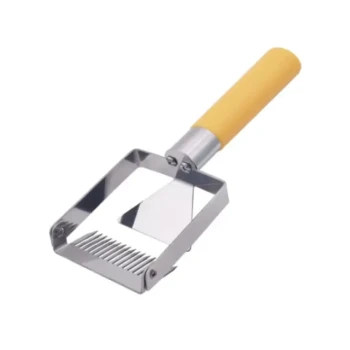
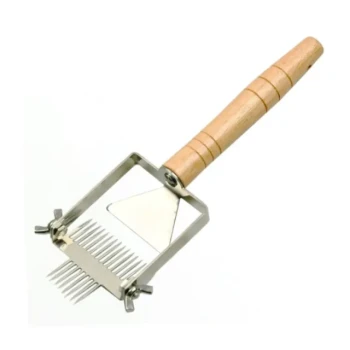
- All-Stainless Steel Pivoting Honey Uncapping Fork for Beekeeping
- Stainless Steel Pivoting Honey Uncapping Fork with Plastic Handle
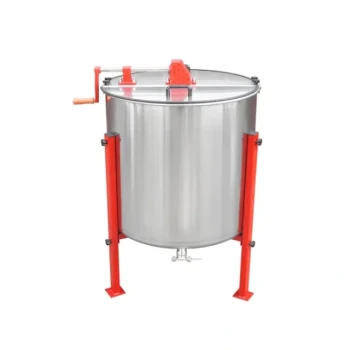
- 6 Frame Manual Stainless Steel Honey Extractor Beekeeping Equipment
- Electric 8 Frame Honey Spinner Extractor Equipment for Beekeeping
- HONESTBEE 2 Frame Manual Acrylic Honey Extractor Beekeeping Equipment
People Also Ask
- How does a honey uncapping fork supplement the use of an uncapping knife? Boost Your Honey Yield and Extraction Efficiency
- What is the design purpose of honey uncapping forks and honey uncapping tanks? Maximize Your Harvest Efficiency
- What are the essential tools for uncapping honey frames? Choose the Right Tool for Your Apiary
- What are the tools used for uncapping honeycombs? Expert Guide to Tools & Functions for Maximum Yield
- What tools are used for honey uncapping? Choose the Right Knife for Your Harvest