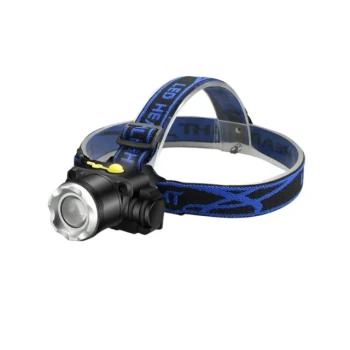
Modifying flashlights with color filters is a critical safety protocol for night beekeeping. Standard white flashlights emit wavelengths, particularly in the blue spectrum, that trigger phototaxis in honey bees, drawing them toward the light source and provoking defensive attacks. By applying a filter, such as a polyethylene sheet, you convert high-intensity broad-spectrum light into monochromatic light, which provides necessary visibility for the beekeeper without stimulating the colony's aggression.
Honey bees possess a heightened sensitivity to white and blue light, which they associate with open space or threats; filtering your light source dampens this biological trigger, allowing you to inspect the hive without alerting its defenses.
The Biological Reaction to Light
Understanding Phototaxis
Honey bees exhibit a strong biological response known as phototaxis. This is an innate movement toward or away from light sources.
The Sensitivity to White and Blue
Bees are not equally sensitive to all light. They react most aggressively to white and blue wavelengths.
The Defensive Consequence
When a standard flashlight beam hits the hive at night, it does not just illuminate the comb; it stimulates the bees. This stimulation frequently results in defensive attacks, with bees flying directly at the source of the light—usually the beekeeper.
How Filtration Alters Behavior
Converting the Wavelength
The purpose of a filter, such as a polyethylene sheet, is to alter the physical properties of the light beam. It blocks the high-intensity white and blue wavelengths that agitate the bees.
Creating Monochromatic Light
The filter transforms the output into monochromatic light. This means the light consists of a single optical frequency (color).
Lowering Stimulation
By restricting the light to a specific monochromatic spectrum, the light becomes far less stimulating to the bee's visual system. This allows the beekeeper to see the frames while the bees remain relatively undisturbed.
Understanding the Trade-offs
Reduced Luminosity
Filtering light inevitably reduces the total brightness (lumens) of your flashlight. You may find that the beam does not penetrate as deep into the hive boxes as an unfiltered beam.
Color Perception Issues
Monochromatic light changes the way the human eye perceives the colors of the comb. Identifying subtle issues, such as the difference between honey and brood, or spotting eggs, may require more focus than under white light.
Making the Right Choice for Your Goal
To ensure a safe and effective inspection, align your lighting modification with your specific objective.
- If your primary focus is safety and stealth: Prioritize a filter density that blocks all traces of white/blue light to ensure zero colony stimulation.
- If your primary focus is detailed observation: Use a filter that balances wavelength suppression with enough intensity to maintain visibility of the comb structure.
By controlling the light spectrum, you convert a potentially volatile inspection into a calm, manageable task.
Summary Table:
| Feature | Standard White Light | Filtered Monochromatic Light |
|---|---|---|
| Bee Reaction | Triggers defensive phototaxis | Minimal to no stimulation |
| Safety Level | Low (bees fly at light source) | High (colony remains calm) |
| Brightness | High intensity | Reduced (due to filtration) |
| Visibility | Full color spectrum | Altered color perception |
| Best Use Case | Daytime maintenance | Nighttime hive inspections |
Elevate Your Apiary Safety with HONESTBEE
At HONESTBEE, we understand that professional beekeeping requires precision and safety. Whether you are managing a large-scale commercial apiary or acting as a regional distributor, we provide the specialized equipment you need to succeed.
From high-performance beekeeping tools and hive-making machinery to essential consumables and honey-themed cultural merchandise, our comprehensive wholesale portfolio is designed to enhance your efficiency and yield. Don't let nighttime inspections become a hazard—equip your team with the industry's best gear.
Ready to scale your operations? Contact us today to explore our full spectrum of beekeeping hardware and machinery!
References
- Daniel Ibiang Edet, A. T. Oladele. The impact of coloured lights on night-time colony management of the African honey bee (Apis mellifera adansonii). DOI: 10.5251/abjna.2012.3.12.506.509
This article is also based on technical information from HonestBee Knowledge Base .
Related Products
- Professional Rechargeable Beekeeping Headlamp Flashlight with Red Light Mode and Type-C Charging
- Conical Nylon Honey Strainer Filter Bag for Beekeeping and Honey Filtration
- Professional Stainless Steel Honey Filtering Machine with Water Bath Heating for Beekeeping
- Nylon Honey Strainer Square Filter Cloth for Honey Filters
- Professional Dual Action Queen Excluder Scraper for Beekeeping
People Also Ask
- What are the advantages of using red light sources for African honey bees? Enhance Safety and Colony Health
- Why is a Red-light Flashlight necessary for the nighttime transportation of bee colonies? Enhance Hive Safety & Success
- What are the main products obtained from beekeeping? Honey, Beeswax, and Vital Pollination Services
- What is the primary function of a cylinder-shaped wood mold? Essential Tools for Quality Queen Rearing
- How can beekeeping supplies and accessories enhance the hobby? Essential Tools for Safe & Rewarding Beekeeping