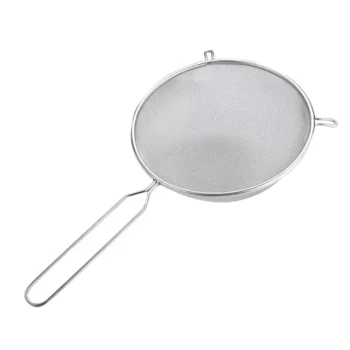
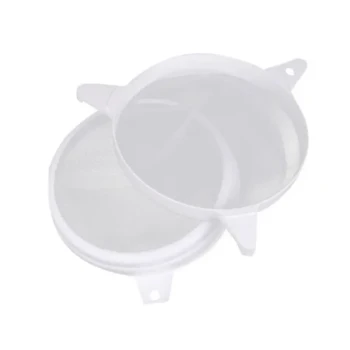
The use of high-density filter cloth is a fundamental requirement for ensuring the stability and purity of stingless bee honey. It serves as a mechanical barrier that physically separates solid contaminants—specifically beeswax residues, pollen grains, and environmental debris—from the extracted liquid. This step is indispensable for refining the honey's texture and preventing the chemical reactions that lead to spoilage.
Core Insight Stingless bee honey is biologically active and prone to instability due to its unique composition. High-density filtration is not just about aesthetics; it is the primary defense against premature fermentation, removing the organic particulate matter that acts as a catalyst for spoilage and ensuring the product remains shelf-stable.
The Mechanics of Purification
Removal of Macro-Impurities
Raw honey extracted from stingless bee colonies inevitably contains physical debris. The high-density cloth effectively intercepts larger contaminants such as wax scales, resin residues, and bee fragments. Removing these elements is the first step in establishing a baseline of hygiene for the final product.
Enhancing Visual Clarity
Consumers and commercial standards demand a product that is visually appealing and consistent. Filtration eliminates suspended particles that cause cloudiness. This process significantly improves the transparency and viscosity of the honey, ensuring it meets the rigorous purity standards required for commercial sale and physicochemical analysis.
Stabilizing the Product
Preventing Fermentation
This is the most critical technical reason for using high-density cloth. Stingless bee honey typically has higher moisture content than Apis mellifera honey, making it highly susceptible to microbial activity. By filtering out organic impurities and excess pollen, you remove the "fuel" and nucleation points that microbes use to trigger fermentation, thereby extending the product's shelf life.
Controlling Crystallization
Impurities in honey can act as seeds for crystal formation. By using high-precision filtration to remove these suspended particles, producers can prevent abnormal crystallization. This ensures the honey maintains its desired liquid state and texture over time, rather than becoming gritty or solidifying unpredictably.
Understanding the Trade-offs
Filtration Density vs. Flow Rate
While high-density cloth is necessary for purity, it presents a logistical challenge during processing. A finer mesh results in a slower filtration rate, which can create bottlenecks in production. Operators must balance the need for high clarity with the practical limitations of processing time.
Maintenance and Clogging
Because the cloth is designed to trap significant amounts of wax and resin, it is prone to rapid clogging. This necessitates frequent cleaning or replacement of the filter media. Failing to maintain the cloth can lead to pressure buildup or the bypass of contaminants, compromising the medicinal quality and safety of the batch.
Making the Right Choice for Your Goal
To maximize the quality of your stingless bee honey, select your filtration strategy based on your end-use requirements:
- If your primary focus is Commercial Retail: Prioritize high-density mesh (fine cotton or synthetic) to maximize clarity and shelf life, ensuring the product remains visually stable and fermentation-free on the shelf.
- If your primary focus is Medicinal Grade Production: Ensure the filtration removes wax and bee parts but use a grade that preserves the honey's biological activity, strictly avoiding contamination from the filter material itself.
High-density filtration is the bridge between a raw, unstable harvest and a refined, marketable product.
Summary Table:
| Feature | Impact of High-Density Filtration | Benefit to Honey Quality |
|---|---|---|
| Purity | Removes wax, pollen, and bee fragments | Improves transparency and food safety |
| Stability | Eliminates catalysts for microbial growth | Prevents premature fermentation |
| Texture | Removes nucleation points (seeds) | Controls and prevents abnormal crystallization |
| Marketability | Refines viscosity and visual clarity | Meets commercial retail and medicinal standards |
Elevate Your Honey Production with HONESTBEE
At HONESTBEE, we understand that professional-grade filtration is the difference between a spoiled harvest and a premium product. As a dedicated partner to commercial apiaries and distributors, we provide the high-performance tools you need to maintain the medicinal integrity and shelf stability of your honey.
Our comprehensive wholesale range includes:
- High-Precision Filtration Equipment: Designed specifically for the unique viscosity of stingless bee honey.
- Advanced Machinery: From hive-making to high-speed honey-filling machines.
- Complete Supply Chain: A full spectrum of beekeeping tools and essential consumables.
Ready to scale your operations with industry-leading equipment? Contact us today to discover how HONESTBEE’s wholesale solutions can optimize your processing efficiency and product quality.
References
- Fabio Fernando Flores, Liliana C. Lupo. Melliferous insects and the uses assigned to their products in the northern Yungas of Salta, Argentina. DOI: 10.1186/s13002-018-0222-y
This article is also based on technical information from HonestBee Knowledge Base .
Related Products
- Nylon Honey Strainer Square Filter Cloth for Honey Filters
- Stainless Steel Double Layer Honey Strainer Sieve Filters
- Conical Nylon Honey Strainer Filter Bag for Beekeeping and Honey Filtration
- Professional Stainless Steel Honey Filtering Machine with Water Bath Heating for Beekeeping
- Professional Stainless Steel Honey Filter with Support Handle
People Also Ask
- What is the significance of using professional filter cloths or sieves in honey processing? Ensure Purity and Quality
- What is the simple straining method for processing honey? A Cost-Effective Guide to Pure Extraction
- What cloth for straining honey? The Best Materials for Clean, High-Quality Honey
- What size mesh to strain honey? A Guide to the Standard Double-Sieve Method
- Why is specialized filter cloth preferred over the traditional squeezing method for wild honey? Achieve Higher Purity