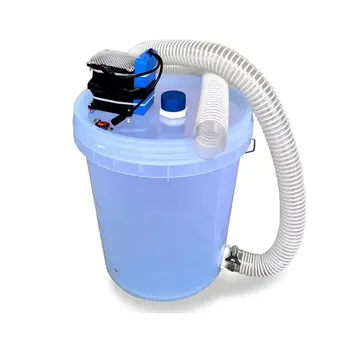
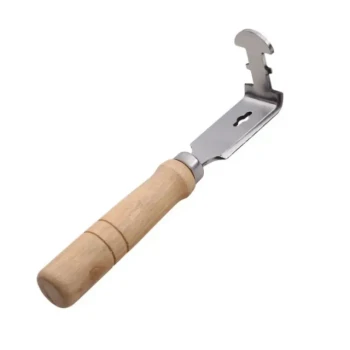
Performing pre-transport hygiene analysis is the single most effective way to secure your apiary's productivity and health. Before moving colonies into forest areas, conducting random sampling on approximately 10% of the bee colonies allows you to detect invisible threats such as Varroasis, Nosemosis, and Acariosis. This process effectively safeguards your stock against disease outbreaks that could devastate honey production.
Core Insight: Moving unchecked colonies is a gamble that risks both your current harvest and the long-term viability of your apiary. Proactive screening acts as a critical biosecurity firewall, preventing cross-regional disease transmission and ensuring that only healthy, high-performing bees are deployed for large-scale nectar collection.
The Strategic Importance of Hygiene Analysis
Preventing Cross-Regional Contamination
Moving bees to a forest environment often brings them into contact with wild pollinators and other managed apiaries.
Without prior testing, you risk introducing pathogens into a new ecosystem.
Hygiene analysis acts as a biosecurity control measure, preventing your colonies from becoming a vector for cross-regional disease transmission.
Guarantees High Honey Yields
A colony fighting an infection cannot maximize nectar collection.
Parasites weaken the workforce, reducing the number of foraging bees available during the peak flow.
By confirming the health status of the bees before transport, you ensure the colony’s energy is directed toward honey production rather than survival.
Detecting Invisible Threats
Visual inspection of a hive is often insufficient to detect early-stage infections.
Specific parasites like Acariosis (tracheal mites) or Nosemosis are difficult to diagnose without proper tools.
Using professional laboratory consumables ensures accurate detection of these microscopic threats before they escalate.
Implementation Standards
The 10% Sampling Protocol
You do not need to test every single hive to gauge the health of your operation.
Testing a random sample of approximately 10% of the bee colonies provides a statistically significant overview of the apiary's health status.
This approach balances cost-efficiency with the need for accurate risk assessment.
Targeted Parasite Screening
The analysis must focus on the most debilitating pathogens for forest-bound bees.
The primary reference specifically identifies Varroasis, Nosemosis, and Acariosis as critical targets.
Screening for these specific ailments prevents the collapse of colonies under the stress of transport and heavy foraging.
Understanding the Risks of Neglect
The Cost of a False Economy
Skipping professional testing to save on consumables is a common pitfall.
However, the cost of treating a widespread outbreak in a remote forest location far exceeds the cost of preventative sampling.
An undetected infection can lead to colony collapse right when nectar flow is at its peak, resulting in a total loss of potential yield.
Reliance on Visual Symptoms
Waiting until bees look sick is often too late.
Many of these diseases, particularly in their early stages, show no external symptoms on the hive exterior.
Relying solely on visual checks rather than laboratory consumables leaves your apiary vulnerable to silent spreaders.
Making the Right Choice for Your Goal
To maximize the success of your forest nectar collection, apply these principles based on your operational priorities:
- If your primary focus is maximizing tonnage: Prioritize screening for Nosemosis, as gut health directly correlates to the energy levels required for intense foraging and high yields.
- If your primary focus is long-term apiary sustainability: Focus on rigorous Varroasis and Acariosis detection to prevent permanent weakening of your genetic stock and cross-contamination between sites.
Invest in the 10% sample today to secure 100% of your production potential tomorrow.
Summary Table:
| Key Metric | Requirement | Strategic Value |
|---|---|---|
| Sampling Rate | ~10% of total colonies | Statistically significant health overview |
| Target Pathogens | Varroasis, Nosemosis, Acariosis | Prevents colony collapse and low yields |
| Primary Tooling | Professional lab consumables | Detects microscopic threats invisible to the eye |
| Core Benefit | Biosecurity Firewall | Prevents cross-regional disease transmission |
| Outcome | Production Security | Directs colony energy to honey, not survival |
Maximize Your Commercial Honey Production with HONESTBEE
Don't gamble with your apiary's health. HONESTBEE provides commercial apiaries and distributors with the professional testing consumables, specialized beekeeping tools, and honey-processing machinery needed to ensure a successful harvest. From high-precision laboratory supplies for disease screening to advanced honey-filling machines, our comprehensive wholesale portfolio is designed to enhance your operational efficiency and long-term sustainability.
Ready to secure your production potential?
Contact HONESTBEE Today for Wholesale Solutions
References
- Patricio Rojas Vergara, David Gutiérrez. Certificación PEFC de mieles bajo gestión forestal sostenible. DOI: 10.52904/0718-4646.2020.533
This article is also based on technical information from HonestBee Knowledge Base .
Related Products
- Wooden Bee Brush with Double-Row Horsehair Bristles
- Stainless Steel Pollen Shovel with Wooden Handle
- Classic Wooden Bee Brush with Double-Row Boar Bristles
- Plastic Handle Single Row Artificial Fiber Bee Brush
- Heavy-Duty Ergonomic Stainless Steel Pollen Shovel
People Also Ask
- Why is a bee brush necessary when extracting honeybee hive frames that contain larvae? Protect Your Brood and Colony
- What is the correct way to use a bee brush and what actions should be avoided? Master Gentle Hive Management
- What are the specific functions of the bee brush and the sealed sampling bottle? Optimize Your Parasite Sampling.
- What is a bee brush and what is it used for? Master Precision Bee Removal with Gentle Sweeping Techniques
- What is a bee brush used for in beekeeping? Essential Tool for Safe Hive Inspections & Honey Harvesting