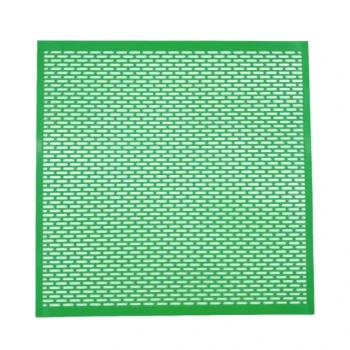
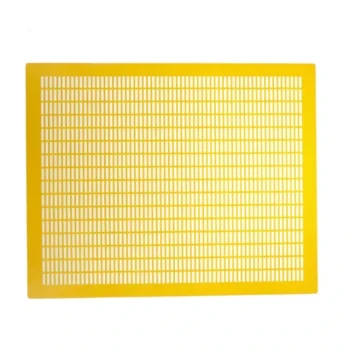
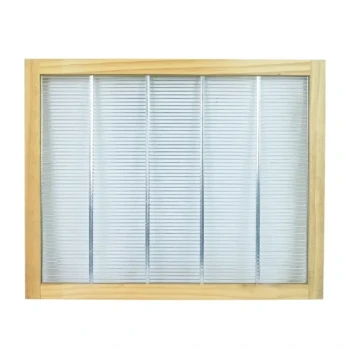
The survival of your queen depends entirely on removing the excluder before winter sets in. As temperatures drop, the honey bee colony forms a tight cluster that moves upward through the hive to consume stored honey. If the excluder remains in place, it acts as a lethal barrier: the worker bees will pass through it to follow the heat and food, but the queen will be trapped below, where she will inevitably freeze to death.
The winter cluster moves vertically through the hive to access food and maintain warmth. Leaving a queen excluder in place creates a physical barrier that separates the queen from the heat of the colony, guaranteeing her death from exposure while the workers move on without her.
The Mechanics of the Winter Cluster
Upward Migration
Unlike in summer, bees in winter do not roam the entire hive. They form a compact cluster to conserve heat.
As the cluster consumes honey stores, it slowly migrates upward into the honey supers. This vertical movement is essential for the colony to stay in contact with their food source.
The Physical Barrier
Worker bees are small enough to pass through the gaps in a queen excluder. This allows the main body of the cluster to continue moving upward into the food stores.
The queen, however, has a much larger abdomen and cannot fit through the excluder. If the device is left on, she is physically barred from following the cluster.
Fatal Separation
The colony's survival instinct prioritizes the warmth of the cluster over the safety of the queen.
As the workers move up through the excluder to stay warm and eat, the queen is left behind. Isolated from the cluster's heat, she dies from exposure and freezing.
Timing and Hive Management
Post-Harvest Removal
The excluder should be removed as soon as the nectar flow has ended and honey supers have been harvested.
Waiting too long increases the risk of an early cold snap catching the cluster off guard. It must be taken off before the bees begin their winter clustering behavior.
Integrated Pest Management
Removing the excluder offers an opportunity to perform other essential autumn tasks.
In October, while finalizing hive configuration, you should also install mouse guards at the entrance. This prevents rodents from entering the warm hive during winter, protecting the comb and the dormant bees.
Common Pitfalls to Avoid
Misunderstanding Bee Loyalty
A common misconception is that the worker bees will refuse to leave the queen.
In reality, thermal regulation is the primary biological imperative in winter. The workers will move to the honey to survive, even if it means abandoning the queen trapped below the excluder.
Neglecting Ventilation
While focusing on the excluder, do not neglect airflow.
Proper ventilation and moisture control are just as critical as removing the excluder. A hive that is too sealed can accumulate moisture, which chills the bees and can kill the cluster even if the queen is present.
Ensuring Colony Survival Through Winter
To ensure your colony emerges strong in the spring, align your removal of the excluder with broader winterization goals.
- If your primary focus is timing: Remove the queen excluder immediately after the honey harvest is complete to prevent accidental trapping during early frosts.
- If your primary focus is hive security: Install mouse guards and verify ventilation at the same time you remove the excluder to minimize disturbance to the colony later in the season.
- If your primary focus is equipment longevity: Use the winter downtime (November/December) to inspect, clean, and repair the removed excluders and other protective gear so you are ready for the spring rush.
By removing the excluder, you ensure the queen remains safely in the center of the warming cluster, securing the future of the colony for the coming year.
Summary Table:
| Factor | Impact of Keeping Excluder | Benefit of Removal |
|---|---|---|
| Queen Safety | Queen trapped below; dies from cold | Queen stays within the warm cluster |
| Cluster Movement | Workers migrate up, abandoning queen | Colony moves vertically as a single unit |
| Food Access | Cluster splits from queen to reach honey | Entire colony maintains contact with stores |
| Hive Health | High risk of colony collapse | Increased chance of successful overwintering |
Secure Your Apiary’s Success with HONESTBEE
Transitioning your hives for winter requires the right tools and timing. At HONESTBEE, we support commercial apiaries and distributors with high-quality beekeeping equipment designed for efficiency and colony health. From durable hive components to advanced honey-filling machinery, our comprehensive wholesale offering ensures you have the essentials to manage your business through every season.
Ready to scale your beekeeping operations?
Contact HONESTBEE Today to explore our full spectrum of professional tools, machinery, and industry consumables. Let us help you provide the best for your bees and your customers.
Related Products
- High Performance Plastic Queen Excluder for Beekeeping and Apiary Management
- Professional Plastic Queen Excluder for Modern Beekeeping
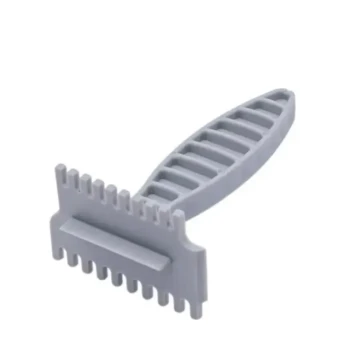
- Lightweight Durable Plastic Queen Excluder Scraper for Beekeeping
- Metal Queen Bee Excluder for Beekeeping
- Premium Wood Framed Metal Wire Queen Bee Excluder
People Also Ask
- What are the characteristics of a plastic queen excluder? Key Benefits for Cost-Effective Beekeeping
- What are the operational and cost advantages of using plastic queen excluders over metal or wire excluders in commercial hive management? Discover how they reduce labor, prevent wing damage, and lower total costs.
- What types of queen excluders are available for beekeepers? Choose the Right Tool for Your Hive
- Why are standardized hive frames and queen excluders essential for maintaining honey purity and quality? Scale Your Purity
- Do plastic queen excluders work? A Cost-Effective Solution for Modern Apiaries