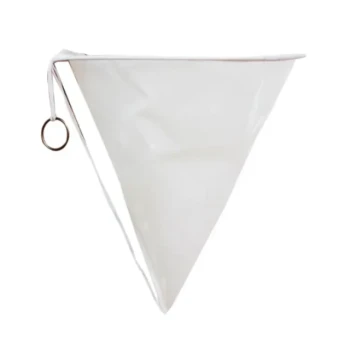
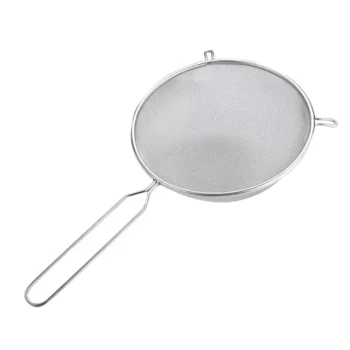
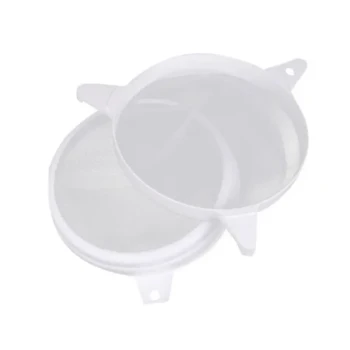
Straining is the definitive refinement step required to transform raw extraction into a consumable food product. Before bottling, honey must pass through a specific filter to mechanically remove physical contaminants introduced during the harvesting process, such as wax cappings, bee parts, and wood splinters. This ensures the final liquid is visually clear, hygienically safe, and free of foreign debris.
While raw honey is prized for its natural properties, effective straining is non-negotiable for producing a hygienic product. It bridges the gap between the chaotic extraction process and the clean, stable product consumers expect.
Achieving Physical Purity and Hygiene
The primary function of a honey strainer is simple but vital: it acts as a gatekeeper against extraction byproducts.
Removing Extraction Debris
The extraction process involves significant physical force. As frames are spun or crushed, they inevitably release more than just honey.
Wax bits, wood fragments from the hive frames, and even bees can end up in the raw mix. A stainless-steel strainer or fine-sieved colander captures these solids, preventing them from entering the bottling tank.
Ensuring Food Safety
For honey to be considered hygienic for consumption, it must be free of foreign objects.
Regardless of whether the honey is for personal use or sale, passing it through a strainer is the baseline requirement for ensuring the product is clean and safe to eat.
Enhancing Stability and Visual Appeal
Beyond basic hygiene, straining plays a critical technical role in the chemical stability and marketability of the honey.
Slowing Down Crystallization
Honey naturally crystallizes over time, but impurities accelerate this process.
Debris like wax fragments act as nucleation points. These are physical "seeds" that encourage sugar crystals to form around them. By removing these particles, you significantly reduce the speed at which the honey solidifies, preserving its liquid state for longer.
Improving Market Grading
Visual appeal is a primary driver of commercial value. Honey that contains visible suspended particles is often perceived as lower quality or "dirty."
Utilizing professional equipment, such as a multi-layer stainless steel strainer, ensures high clarity. This clarity is essential for meeting commercial food safety standards and achieving a higher market grade.
Understanding the Trade-offs
While straining is necessary, the method and equipment used can impact the workflow.
The Impact of Equipment Choice
Not all strainers achieve the same result. A simple kitchen colander may remove large bees and wood chips but can miss finer wax particles.
Leaving fine debris in the honey may not make it unsafe, but it will likely compromise the visual clarity and shorten the shelf life regarding crystallization.
Processing Efficiency vs. Purity
Using a very fine, multi-layer strainer produces the clearest honey but can slow down the bottling flow, especially if the honey is cold or thick.
Beekeepers must balance the need for extreme purity with the speed of their processing line, ensuring the strainer does not become a bottleneck during extraction.
Making the Right Choice for Your Goal
Selecting the right straining approach depends on your end goals for the product.
- If your primary focus is Commercial Sales: Use a multi-layer stainless steel strainer to maximize clarity and meet strict market grading standards.
- If your primary focus is Shelf Life: Prioritize removing even the smallest wax fragments to reduce nucleation points and delay crystallization.
- If your primary focus is Basic Hygiene: Ensure you use at least a fine-sieved colander to remove physical contaminants like wood and bee parts.
Effective straining is the difference between a raw agricultural byproduct and a professional, high-quality food source.
Summary Table:
| Straining Benefit | Description | Impact on Final Product |
|---|---|---|
| Physical Purity | Removes wax, bee parts, and wood splinters. | Ensures food safety and hygiene. |
| Visual Clarity | Eliminates suspended particles. | Increases market grade and consumer appeal. |
| Crystallization Control | Removes nucleation points (seeds). | Extends shelf life in liquid form. |
| Equipment Type | Multi-layer stainless steel vs. basic mesh. | Balances processing speed with purity levels. |
Elevate Your Honey Production with HONESTBEE
Maximize the value of your harvest with professional-grade processing equipment. HONESTBEE specializes in supporting commercial apiaries and distributors by providing a comprehensive wholesale range of beekeeping tools, specialized honey-filling machines, and essential consumables.
Whether you need precision stainless steel strainers to achieve market-leading clarity or high-capacity machinery to streamline your workflow, we deliver the hardware you need to scale.
Ready to optimize your apiary’s efficiency? Contact us today to explore our wholesale solutions and discover how our expertise can grow your honey business.
Related Products
- Stainless Steel Triangle Support Honey Strainer and Filters
- Nylon Honey Strainer Square Filter Cloth for Honey Filters
- Professional Cone-Shaped Honey Filter with Reinforced Steel Ring
- Stainless Steel Double Layer Honey Strainer Sieve Filters
- Conical Nylon Honey Strainer Filter Bag for Beekeeping and Honey Filtration
People Also Ask
- Why is stainless steel preferred for honey strainers? Ensure Purity and Durability for Your Honey
- What are the selection criteria for stainless steel filtration equipment used to enhance honey purity? Pro B2B Guide
- What can I use to strain honey? A Beekeeper's Guide to Choosing the Right Filter
- What is the easiest way to strain honey? A Simple Guide for Hobbyist Beekeepers
- What is the primary function of a honey strainer in beekeeping? Achieve Commercial Purity & Visual Clarity