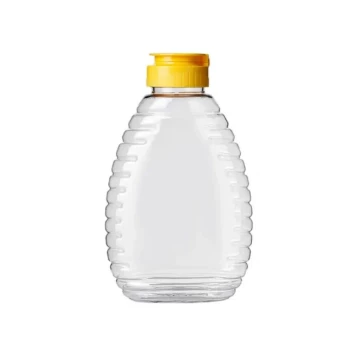
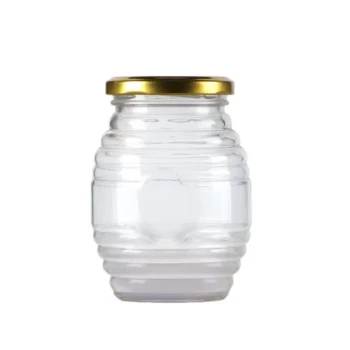
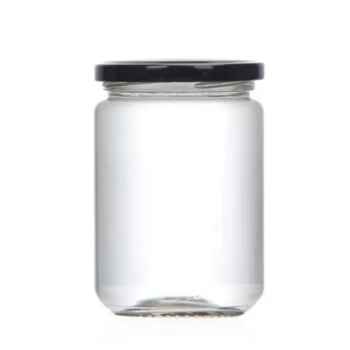
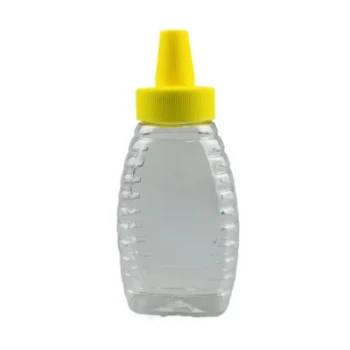
Wide-mouth jars with excellent sealing properties are critical for honey storage primarily to combat hygroscopy—honey’s natural tendency to absorb moisture from the air. By creating a hermetic barrier, these containers prevent fluctuations in water content and shield the honey from microbial contamination, ensuring its chemical composition remains stable for analysis or consumption.
The Core Reality of Honey Storage Honey is a low-moisture substance that actively pulls water from its environment. Without an airtight barrier, atmospheric humidity will penetrate the honey, inevitably leading to fermentation, spoilage, and the alteration of the product’s original chemical profile.
The Science of Stability: Controlling Moisture
Combating Hygroscopic Effects
Honey is highly hygroscopic, meaning it readily absorbs water vapor from the surrounding atmosphere. The primary function of a high-quality seal is to isolate the honey from external air. If air contact occurs, the honey’s moisture content rises, fundamentally altering the product's physical state.
Preventing Microbial Contamination
Air does not just carry moisture; it carries airborne microbes. A hermetic seal acts as a physical firewall, effectively isolating the honey from external biological contaminants. This isolation is necessary to maintain the honey's original purity and prevent the introduction of spoilage agents.
Preserving Chemical Composition for Analysis
For post-harvest handling intended for laboratory analysis, the stakes are even higher. The chemical properties of honey must remain stable to yield accurate physicochemical data. Wide-mouth jars with tight seals ensure that the sample analyzed in the lab is chemically identical to the honey at the moment of harvest.
Material Integrity and Economic Impact
Preventing Fermentation and Spoilage
When honey absorbs atmospheric moisture due to a poor seal, it becomes susceptible to fermentation. Food-grade containers with effective sealing properties provide moisture resistance that stops this process before it begins. This ensures the honey does not sour or degrade during storage.
Ensuring Material Safety
Beyond the seal, the material of the jar itself is vital. Storage containers must be chemically stable to ensure no harmful substances migrate from the packaging into the honey. This safeguards consumer health and preserves the high quality of the final organic product.
Protecting Market Value
Proper storage allows producers to hold inventory during off-seasons or price fluctuations without quality loss. By preventing environmental factors from affecting the honey's characteristics, airtight containers help maintain the product's market value over time.
Understanding the Trade-offs
The Risk of Imperfect Seals
The trade-off in selecting cheaper or improper storage is rarely immediate; it is a slow degradation. A jar that is "mostly" sealed but not airtight will allow a gradual ingress of moisture. Over time, this subtle failure can ruin an entire batch by raising the water content above the threshold for yeast activation, turning a shelf-stable product into one that ferments.
Handling Viscosity
While the seal is paramount for chemistry, the "wide-mouth" design addresses the physical reality of honey. Handling high-viscosity fluids in narrow containers increases the risk of spills and residue on the rim, which can compromise the seal itself. Wide-mouth designs facilitate cleaner transfer and handling, indirectly supporting the integrity of the seal.
Making the Right Choice for Your Goal
To select the appropriate storage for your specific needs, consider the following:
- If your primary focus is Laboratory Analysis: Prioritize the airtight integrity of the seal above all else to ensure the moisture content and chemical profile remain unchanged between harvest and testing.
- If your primary focus is Commercial Sales: Select standardized, food-grade jars that offer a balance of excellent sealing for shelf life and branding potential for consumer appeal.
- If your primary focus is Long-Term Bulk Storage: Use robust food-grade plastic or glass containers with proven moisture resistance to prevent fermentation during seasonal transitions.
The proper container is not just a vessel; it is the only barrier between high-quality honey and the inevitable degradation caused by the atmosphere.
Summary Table:
| Feature | Benefit for Honey Storage | Impact on Quality |
|---|---|---|
| Hermetic Seal | Prevents hygroscopic moisture absorption | Stops fermentation & spoilage |
| Wide-Mouth Design | Facilitates clean filling and extraction | Reduces rim residue for better seals |
| Food-Grade Material | Ensures chemical stability of the container | Prevents contamination & migration |
| Microbial Barrier | Blocks airborne yeast and bacteria | Maintains organic purity & safety |
| Moisture Resistance | Stabilizes water content for lab analysis | Ensures accurate physicochemical data |
Maximize Your Honey Quality with HONESTBEE
Don't let poor storage compromise your harvest. HONESTBEE provides professional-grade beekeeping tools, machinery, and essential consumables designed for the rigors of commercial apiaries and distributors. From high-precision honey-filling machines to premium storage solutions and cultural merchandise, we help you maintain product integrity from hive to shelf.
Partner with HONESTBEE to scale your operations and protect your market value.
Contact Our Wholesale Experts Today
References
- Rizwana Kousar. Physciochemical variations in the honey produced by Apis dorsata from Punjab, Pakistan. DOI: 10.19045/bspab.2017.60078
This article is also based on technical information from HonestBee Knowledge Base .
Related Products
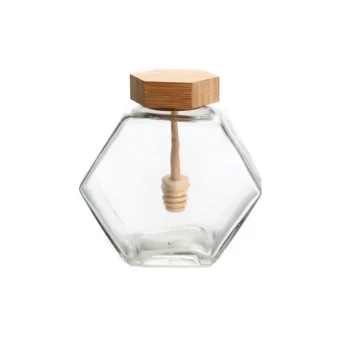
- Hexagonal Glass Honey Jar with Wooden Lid Integrated Dipper Elegant Functional Storage
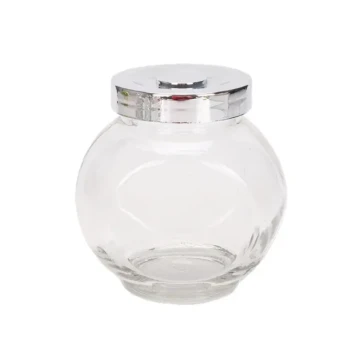
- Classic Drum Shaped Glass Honey Jar with Airtight Lid
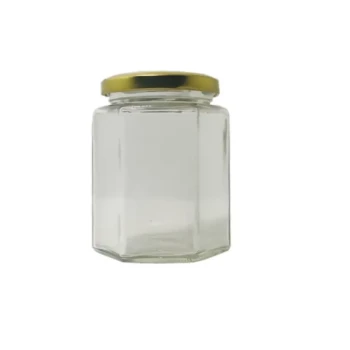
- Hexagonal Glass Honey Jars with Metal Lug Caps Elegant Versatile Packaging
- Inverted Squeezable Honey Jar with No Drip Flip Top Cap for Easy Pouring
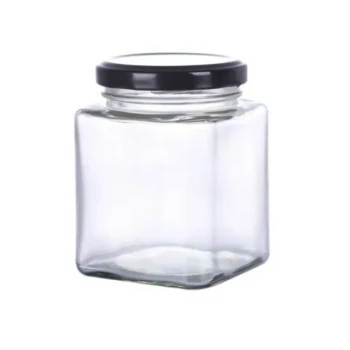
- Modern Square Glass Honey Jar with Twist Off Lid
People Also Ask
- What are the benefits of glass jars regarding strength and safety for storing honey? Ensure Purity and Long-Term Quality
- What are the advantages of using glass jars for honey storage? Ensure Purity and Premium Appeal for Your Product
- What is the aesthetic appeal of using glass jars for honey? Elevate Your Brand with Premium Packaging
- What are the advantages of glass containers for honey? Elevate Quality and Market Value with Premium Packaging
- What are the benefits of using high-transparency Glass Jars for honey? Elevate Purity and Premium Branding