Organic honey is defined as an essential feed consumable in organic beekeeping because it serves as the primary defense against the introduction of synthetic contaminants into the hive. By strictly utilizing organic honey or organic sugar, particularly during winter or emergency feeding, beekeepers prevent the infiltration of chemical fertilizers, pesticides, and Genetically Modified Organisms (GMOs) that are prevalent in conventional feed sources.
The rigorous use of organic feed is the only way to guarantee that the entire hive ecosystem—from the bees’ physiological health to the beeswax they produce—remains free from synthetic residues and GMOs, securing the apiary's organic certification.
The Pillars of Organic Certification
Blocking Chemical Contaminants
In conventional agriculture, synthetic fertilizers and pesticides are commonplace. If bees are fed non-organic substitutes, these chemicals can enter the colony's food chain.
Using organic honey ensures that the feed is free from these synthetic residues. This is critical for maintaining the chemical-free status required for organic certification.
The Mandatory Exclusion of GMOs
A cornerstone of organic beekeeping is the absolute prohibition of Genetically Modified Organisms (GMOs). Conventional bee feeds, such as standard corn syrup, are frequently derived from GMO crops.
Organic standards mandate the use of organic honey or organic syrup to create a "firewall" against these modified organisms. This prevents GMO components from compromising the genetic and biological integrity of the apiary.
Safeguarding Colony Health and Product Purity
Physiological Support During Overwintering
Winter is a vulnerable period for bee colonies. The quality of feed provided during this time directly impacts the bees' ability to survive until spring.
Providing high-standard organic feed ensures the physiological health of the honeybees during overwintering. It eliminates the stress of processing contaminated food sources when the colony's energy reserves are already taxed.
Maintaining Integrity Across All Hive Products
The impact of feed extends beyond just the honey the bees produce. It affects the entire biological output of the hive, including bee excreta and beeswax.
If a colony consumes feed containing synthetic residues, those contaminants can accumulate in the wax and other byproducts. Organic feed ensures that the purity of these secondary products is preserved, preventing quality degradation.
Understanding the Operational Constraints
Strict Limitations on Emergency Feeding
While organic honey is the superior feed, organic standards impose strict limits on when it can be used. Supplemental feeding is not intended to be a routine practice.
Emergency feeding with organic honey or syrup is typically permitted only when the survival of the colony is genuinely at risk. This restriction forces beekeepers to manage their hives carefully to ensure natural honey stores are sufficient, rather than relying on external inputs.
The Cost of Compliance
Sourcing certified organic honey or sugar for feed is significantly more resource-intensive than using conventional sugar or corn syrup.
This requirement places a higher operational burden on the beekeeper. However, it is a necessary trade-off to ensure the final product remains free of the chemical footprint associated with industrial agriculture.
Making the Right Choice for Your Apiary
To apply these principles effectively, assess your primary objectives:
- If your primary focus is Maintaining Certification: Strictly adhere to organic honey or organic sugar sources to avoid immediate disqualification due to GMO or pesticide detection.
- If your primary focus is Colony Health: Prioritize organic feed for overwintering to reduce the physiological toxic load on your bees during their most vulnerable season.
Ultimately, the choice of feed is not just about nutrition; it is the fundamental control point that determines the purity and authenticity of your entire operation.
Summary Table:
| Key Aspect | Organic Feed Benefit | Conventional Feed Risk |
|---|---|---|
| Chemical Contaminants | Zero synthetic residues | Pesticide and fertilizer infiltration |
| GMO Status | 100% GMO-free firewall | High risk from corn/sugar syrups |
| Colony Health | Lower physiological stress | Potential toxic load during winter |
| Product Purity | Protects beeswax and honey integrity | Residue accumulation in hive products |
Elevate Your Organic Apiary with HONESTBEE
Maintaining the rigorous standards of organic beekeeping requires precision, quality, and the right equipment. HONESTBEE supports commercial apiaries and distributors worldwide with a comprehensive wholesale offering designed for large-scale success.
We provide the full spectrum of industry essentials, including:
- Advanced Machinery: Hive-making and automated honey-filling machines to scale your production.
- Professional Tools: A complete range of durable beekeeping equipment and hardware.
- Essential Consumables: High-quality supplies to maintain colony health and product purity.
- Cultural Merchandise: Unique honey-themed retail products to diversify your brand.
Partner with HONESTBEE to ensure your operation remains efficient and compliant. Contact us today to explore our wholesale solutions!
References
- Serhii Lushpaiev. Legislation of Ukraine in the field of production, circulation and labeling of organic agricultural products. DOI: 10.32849/2663-5313/2019.11.24
This article is also based on technical information from HonestBee Knowledge Base .
Related Products
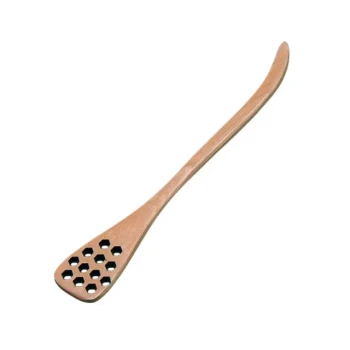
- Modern Honeycomb Pattern Wooden Honey Dipper for Stirring and Drizzling
- High Quality Honey Dehumidifier Dryer Thickening Machine for Beekeeping
- Economy Small Scale Honey Dryer Dehumidifier Thickening Machine
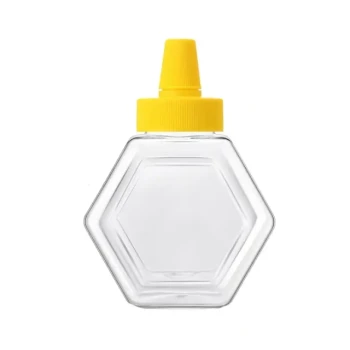
- Hexagonal Squeeze Honey Bottle with No Drip Lid
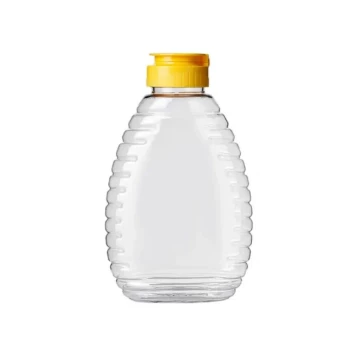
- Classic Beehive Honey Bottle Jar with Squeeze Dispenser Lid
People Also Ask
- What is the proper method for cleaning a honey dipper? Maintain Pure Flavor with These Easy Pro Tips
- What is a honey dipper and what is it used for? A Guide to Mess-Free Drizzling
- What is a honey dipper? Master the Art of the Perfect Drizzle with This Essential Tool
- What is a honey taking spoon called? Discover the Tool for a Perfect, Mess-Free Drizzle
- How do you clean and store a honey dipper? Simple Steps for Long-Lasting Performance