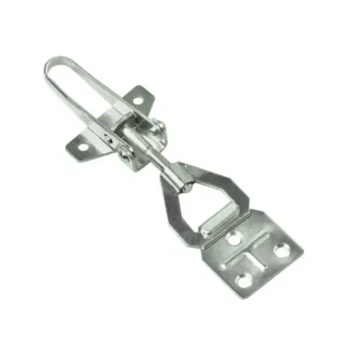
Specialized bee transportation and logistics equipment is the backbone of modern commercial apiaries. It is essential because it serves the dual function of preserving colony vitality and enabling industrial-scale mobility. By providing controlled ventilation and shock-resistant structures, this equipment drastically reduces mortality rates during long-distance travel, ensuring bees arrive healthy and ready for immediate pollination duties.
The core value of this equipment is that it transforms beekeeping from a stationary agricultural practice into a flexible, high-mobility service. It bridges the gap between biological fragility and industrial demand, ensuring pollinators are safely deployed exactly when and where crops require them.
Preserving the Biological Asset
The most immediate need for specialized equipment is the protection of the livestock—the bees themselves. Standard cargo trucks cannot replicate the delicate environmental conditions required to keep a colony alive during transit.
Preventing Environmental Stress
Primary among the risks of transport is overheating or suffocation. Specialized logistics equipment utilizes controlled ventilation environments to maintain airflow. This mitigation of sudden environmental shifts is critical for keeping stress levels low and ensuring the colony remains viable upon arrival.
Reducing Physical Impact
Road travel introduces vibration and shock that can collapse honeycombs or agitate the hive to the point of exhaustion. Specialized transport utilizes shock-resistant structures designed specifically to dampen these forces. This ensures the physical integrity of the hive components and protects the queen and brood from injury.
Enabling Strategic Mobility
Beyond survival, specialized equipment allows beekeepers to execute complex migratory strategies. This mobility is the foundation of industrial pollination and high-volume honey production.
Following Floral Blooms
Commercial success often depends on "chasing the bloom." Specialized loading and transport vehicles allow apiarists to rapidly relocate colonies to follow flowering periods across different geographical regions. This capability enables access to specific crops—such as watermelon, citrus, or sesame—exactly when nectar flow is at its peak.
Meeting High-Intensity Demands
Industrial agriculture requires the rapid deployment of thousands of hives simultaneously. Specialized loading equipment facilitates the high-speed transfer of large numbers of colonies. This efficiency is necessary to meet the tight fertilization windows of horticultural crops, where a delay of a few days can result in lost yields.
Standardizing Operations
To transport hives efficiently, they must be uniform. Automated hive-making equipment produces standardized, weather-resistant structures with precise interfaces. This physical standardization allows loading machinery to handle hives predictably, minimizing the risk of bees escaping (absconding) and streamlining the entire logistics chain.
Understanding the Operational Trade-offs
While specialized equipment offers immense benefits, it introduces specific operational requirements that must be managed to ensure success.
The Necessity of Standardization
To fully leverage specialized transport logistics, you must commit to standardized hive manufacturing. Custom or irregular hive bodies are incompatible with industrial loading equipment. This requires an upfront investment in automated hive-making tools to ensure every unit fits the securing systems and transport vehicles perfectly.
Balancing Mobility with Stability
High mobility brings the risk of over-working the colony. While equipment enables frequent moves, excessive migration can still stress the bees if not managed alongside proper nutrition and rest periods. The equipment solves the physical problem of moving, but the biological management of the swarm remains a critical human factor.
Making the Right Choice for Your Goal
The type of equipment you prioritize should align with your specific operational focus.
- If your primary focus is Industrial Pollination: Prioritize vehicles with advanced environmental controls and shock resistance to ensure bees arrive in peak condition for immediate work.
- If your primary focus is Honey Production: Focus on high-mobility loading equipment that allows you to rapidly chase fleeting nectar flows across fragmented woodlands or varied habitats.
- If your primary focus is Scaling Operations: Invest in automated hive-manufacturing equipment to create the standardized infrastructure required for efficient, large-scale logistics.
Specialized logistics equipment is the critical lever that allows beekeepers to maximize resource utilization while respecting the biological limits of the honeybee.
Summary Table:
| Key Equipment Feature | Primary Benefit | Strategic Impact |
|---|---|---|
| Controlled Ventilation | Prevents overheating & suffocation | Ensures 100% arrival vitality |
| Shock-Resistant Structures | Dampens vibration & hive damage | Protects queen, brood, and honeycombs |
| Automated Hive-Making | Achieves physical standardization | Enables high-speed industrial loading |
| High-Mobility Loading | Rapid geographical relocation | Maximizes nectar flow and pollination windows |
Scale Your Beekeeping Operations with HONESTBEE
Transitioning from stationary beekeeping to high-mobility industrial pollination requires the right infrastructure. HONESTBEE provides commercial apiaries and distributors with the specialized tools needed to thrive.
From automated hive-making and honey-filling machinery to durable transportation consumables and honey-themed cultural merchandise, we supply everything required to standardize your fleet and protect your biological assets. Let us help you bridge the gap between biological fragility and industrial demand.
Contact HONESTBEE Today for Your Wholesale Solution
References
- Emma Berman, Jody Emel. Buzz: urban beekeeping and the power of the bee. DOI: 10.1080/0966369x.2016.1190194
This article is also based on technical information from HonestBee Knowledge Base .
Related Products
- Plastic Transporting Bee Packages and Nuc Boxes for Beekeeping
- Professional Queen Bee Introduction and Transport Cage
- JZBZ Style Professional Battery Box with 20 Shipping Cages
- Durable Galvanized Steel Frame Grip
- Heavy Duty Adjustable Hive Connector
People Also Ask
- What role do bee package boxes play in the commercial transport and expansion of honeybee colonies? - Logistic Essentials
- What are beekeeping boxes called? A Guide to Hive Bodies and Box Types
- How do standardized bee packages serve as a recovery mechanism for commercial beekeeping? Ensure Business Continuity
- What is the commercial value of using standardized bee packages? Drive Scalability in Large-Scale Apiaries
- Why is the timely introduction of high-quality bee packages critical? Save Your Apiary from Asian Hornet Invasions