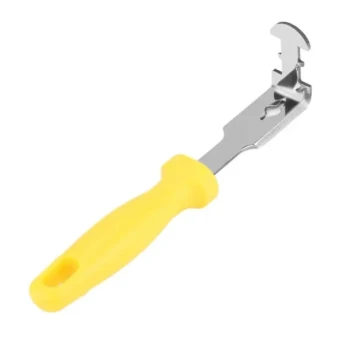
Strict sanitation of hive tools and woodenware is critical because shared equipment can mechanically carry infectious material from one colony to another. In commercial apiaries, a single contaminated hive tool, frame, or box can contact multiple colonies in rapid succession, allowing viral particles, infected brood residues, mites, and other pathogens to move through the operation. Sanitizing tools between inspections and scorching, isolating, replacing, or properly treating woodenware from diseased or dead colonies interrupts this transmission route.
In a commercial apiary, equipment is part of the disease-control system. Cleaning high-contact tools and managing woodenware correctly reduces human-assisted spread, protects colony investments, and helps prevent a localized infection from becoming an apiary-wide outbreak.
How Shared Equipment Spreads Infection
Hive tools create direct mechanical transfer
Hive tools repeatedly contact propolis, honey, brood remains, wax, and colony surfaces. When a tool moves directly from an infected hive to a healthy one, those materials can carry infectious agents across the colony boundary.
This risk is amplified during commercial inspections because the same tools may be used across many hives in a short period. Without cleaning between colonies, routine management becomes a potential transmission pathway.
Woodenware retains contamination
Frames, combs, feeders, queen excluders, floors, and boxes can retain biological residues after a colony has been removed. Infectious material may remain in cracks, joints, porous wood, old comb, or dried brood remains.
Woodenware from dead or diseased colonies therefore cannot be treated as ordinary reusable stock. It should be scorched, isolated, replaced, or processed through an approved sanitation procedure before it enters a clean apiary.
Varroa increases the underlying viral risk
Varroa mites are important vectors for several honeybee viruses. Equipment sanitation does not replace mite monitoring and treatment, but it removes an additional route through which contaminated material can move between colonies.
The risk is especially serious when equipment is transferred between apiaries, production yards, nucleus colonies, or customer-owned operations without documented cleaning and inspection.
Why Commercial Scale Changes the Risk
More colonies mean more opportunities for spread
In a small operation, contaminated equipment may affect one or a few colonies. In a commercial apiary, the same hive tool, smoker, gloves, transport container, or extraction component may be used across hundreds or thousands of colonies.
The scale creates a multiplier effect: one sanitation failure can expose many colonies before symptoms are recognized.
Early infections may be difficult to detect
Viral and brood diseases may not produce obvious symptoms immediately. A colony can appear productive while contaminated equipment has already carried infectious material to neighboring hives.
Sanitation provides a preventive barrier during the period between exposure and detection. It should therefore be treated as a routine operating control, not an emergency response.
Equipment movement connects separate sites
Commercial businesses often move equipment among apiaries, warehouses, pollination sites, processing facilities, and customers. These movements can connect otherwise separate disease environments.
A clean-equipment policy, supported by inspection records and reliable sanitation supplies, helps prevent one location from becoming the source of infection for the rest of the network.
What Strict Sanitation Requires
Disinfect tools between colonies
Hive tools and other high-contact implements should be cleaned and disinfected between inspections, especially after work on colonies showing weakness, abnormal brood, dead bees, or other disease indicators.
Depending on the material and operating protocol, appropriate measures may include flame sterilization, approved chemical disinfectants, alcohol-based products, or industrial cleaning systems. The process must remove organic residues as well as treat the surface, because debris can shield pathogens from disinfectants.
Handle woodenware according to risk
Woodenware from healthy colonies may still require cleaning and inspection before reuse. Equipment from diseased or dead colonies requires a higher level of control, including isolation while its status is assessed.
Contaminated comb is particularly difficult to clean reliably. Replacing old comb and refusing uncertain, second-hand, or uncertified used equipment are often more dependable controls than attempting to sanitize every porous component.
Clean before disinfecting
Disinfection is less effective when tools or equipment are covered with wax, propolis, honey, soil, or brood residue. A practical process separates physical cleaning from disinfection.
For larger volumes, high-temperature, high-pressure, or specialized cleaning units can improve consistency. Smaller operations can use validated manual procedures, provided contact times, concentrations, heat levels, and material compatibility are controlled.
Inspect the entire equipment chain
The biosecurity risk extends beyond hive tools and boxes. Relevant equipment includes smokers, gloves, protective clothing, feeders, Varroa floors, pollen traps, dispensers, bee transport containers, honey extraction machinery, and artificial insemination equipment.
A sanitation program should identify every item that moves between colonies or sites. Cleaning only the most visible tools leaves other mechanical vectors in the workflow.
Understanding the Trade-offs
Sanitizing takes time and capacity
Cleaning between every colony inspection adds labor and may require duplicate tools, dedicated workstations, or additional sanitation consumables. However, that cost is predictable, while an outbreak can create expenses through colony losses, treatment, equipment replacement, disrupted deliveries, and lost production.
Commercial operators should design sanitation into the workflow rather than treating it as an optional task performed when time allows.
Some materials cannot be reliably disinfected
Metal tools are generally easier to clean and treat than porous wood, old comb, fabric, or equipment with inaccessible internal surfaces. A chemical product that is suitable for metal may damage wood, plastics, coatings, or food-contact components.
Sanitation protocols must therefore account for material compatibility, pathogen risk, and intended reuse. Replacement or destruction may be the correct decision for heavily contaminated or uncertain woodenware.
Disinfectants are not interchangeable
A product’s effectiveness depends on the target pathogen, organic load, concentration, exposure time, temperature, and surface. General-purpose cleaning alone may not provide adequate disinfection, while excessive chemical use can create residue, worker-safety, or environmental concerns.
Commercial buyers should source products with clear technical instructions, consistent supply, and support from knowledgeable suppliers. Documentation matters when multiple teams or locations must follow the same procedure.
Sanitation cannot solve every disease pathway
Equipment control reduces mechanical transmission, but it does not eliminate risks from Varroa mites, drifting bees, robbing, infected queens, contaminated forage, transport stress, or poor colony management.
The strongest program combines equipment sanitation with mite control, colony inspection, quarantine, recordkeeping, responsible equipment movement, and clear criteria for isolating or destroying high-risk materials.
Building a Reliable Commercial Program
Standardize the operating procedure
Each apiary should define when tools are cleaned, which disinfectant or heat process is used, how equipment is labeled, and when contaminated items are removed from service. Written procedures reduce variation between employees, contractors, and locations.
The protocol should also specify what happens after a suspected disease is found. Tools, gloves, frames, and vehicles used at that colony may require immediate containment and additional treatment.
Separate clean and dirty equipment
Designating clean and contaminated zones reduces accidental reintroduction. Used tools and woodenware should have clearly identified holding areas until cleaning, inspection, or disposal is complete.
This separation is particularly important in warehouses and distribution environments where returned, refurbished, new, and uncertain equipment may otherwise be mixed.
Protect purchasing and distribution decisions
Distributors and B2B resellers can support biosecurity by maintaining traceability, separating used from new equipment, and communicating cleaning status clearly. Customers should be able to distinguish certified or processed equipment from products with unknown prior use.
Reliable access to hive tools, replacement woodenware, sanitation consumables, and cleaning equipment also helps beekeepers maintain the protocol during peak inspection and harvest periods.
Measure compliance, not just purchases
A commercial apiary should verify that sanitation is actually occurring. Useful controls include inspection logs, equipment movement records, disinfectant preparation records, replacement schedules, and periodic audits.
Fast fulfillment and broad product availability are valuable only when they support a repeatable biosecurity system. Operational consistency is the measure that protects colonies.
Making the Right Choice for Your Goal
The correct sanitation investment depends on the scale of operations, equipment turnover, disease history, and movement between apiaries.
- If your primary focus is protecting a commercial apiary: Disinfect high-contact tools between colonies and isolate, scorch, replace, or professionally process woodenware from diseased or dead hives.
- If your primary focus is reducing viral transmission risk: Combine equipment sanitation with Varroa control, colony inspection, quarantine, and strict limits on equipment movement.
- If your primary focus is purchasing for resale or distribution: Source traceable equipment and dependable sanitation products, and clearly separate new, processed, and uncertified used stock.
- If your primary focus is operational efficiency: Standardize cleaning procedures, maintain duplicate tools where practical, and use suitable industrial cleaning systems for high-volume equipment.
- If your primary focus is protecting honey production: Treat sanitation as a production-continuity measure that reduces the chance of colony losses, disrupted apiary operations, and replacement costs.
Strict equipment sanitation turns hive tools and woodenware from potential transmission routes into controlled components of a commercial apiary’s biosecurity program.
Summary Table:
| Aspect | Critical Actions | Impact on Viral Control |
|---|---|---|
| Hive Tools | Disinfect between colonies using flame, chemicals, or alcohol; remove organic residue first. | Prevents direct mechanical transfer of pathogens. |
| Woodenware | Scorch, isolate, replace, or treat woodenware from diseased/dead colonies; avoid reusing contaminated comb. | Eliminates reservoirs of infectious material. |
| Commercial Scale | Implement routine sanitation and inspect entire equipment chain (smokers, gloves, feeders, etc.). | Reduces multiplier effect and limits outbreak spread. |
| Protocol | Standardize procedures, separate clean/dirty zones, and maintain records. | Ensures consistent biosecurity and traceability. |
Protect your commercial apiary with HONESTBEE. As a leading wholesale supplier to commercial beekeepers and distributors, we offer a complete range of hive tools, woodenware, sanitation supplies, and processing equipment. Our rapid-response team and efficient fulfillment ensure you can maintain strict biosecurity without downtime. For distributors and resellers, we provide OEM/ODM support, certifications, and reliable supply chains to grow your business. Contact us today to secure your apiary’s health and your profit margins — get in touch.
Related Products
- Heavy-Duty Ergonomic Stainless Steel Pollen Shovel
- Professional Stainless Steel Pry-Bar Hive Tool
- HONESTBEE Premium Italian Style Hive Tool with Hardwood Handle
- HONESTBEE Professional Long Handled Hive Tool with Precision Cutting Blade
- Ergonomic Plastic Frame Spacer Tool for Rapid Hive Management Beekeeping
People Also Ask
- How is pollen cleaned after it has been dried? Master Efficient Separation for Pure Bee Pollen
- What methods are used to clean harvested bee pollen? Scale Your Beekeeping Operations with the Right Technique
- How can harvested bee pollen be cleaned to remove impurities? Efficient Methods for Commercial and Hobbyist Beekeepers
- How do bee pollen collection tools affect the quality of bee pollen used in functional dairy ice cream production?
- What is the technical significance of using specialized cutting tools for propolis? Master Precision Pollen Harvesting