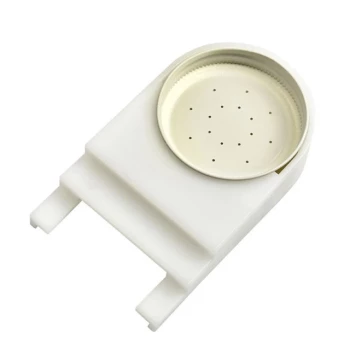
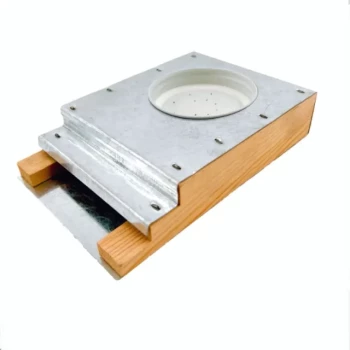
Supplemental bee feed acts as a vital nutritional bridge in environments where natural resources are artificially scarce. In regions dominated by intensive corn and soybean production, natural pollen and nectar are available only for short windows, leading to dangerous seasonal forage gaps. Supplemental feed is critical because it buffers colonies against this landscape-induced stress, preventing starvation and maintaining population levels when the environment cannot support them.
In intensive agricultural zones, natural forage is often temporary and insufficient for long-term survival. Supplemental feed acts as a critical buffer, stabilizing hive health during unavoidable nutritional voids caused by monoculture farming.
The Challenge of the Agricultural Landscape
The Impact of Monoculture
In landscapes prioritized for intensive agriculture, biodiversity is often sacrificed for efficiency. Large-scale production of crops like corn and soybeans drastically alters the ecosystem.
These environments fail to provide the continuous bloom schedules found in wilder, more diverse habitats.
The "Feast or Famine" Cycle
The availability of natural pollen and nectar in these regions is frequently limited to very short periods.
Once the primary crops bloom and fade, the landscape offers little nutritional value. This results in significant seasonal forage gaps, particularly late in the season.
The Function of Supplemental Feed
Buffering Against Landscape Stress
Supplemental feed is not merely a "bonus"; it is a buffering consumable.
It serves as a necessary intervention during periods of landscape-induced forage stress. Without this buffer, the colony is directly exposed to the nutritional voids of its environment.
Preventing Starvation
The most immediate function of supplemental feed is protecting bee colonies from starvation stress.
It acts as a substitute for natural resources, compensating for nutritional shortages that occur when the agricultural landscape goes dormant regarding nectar production.
Sustaining Colony Physiology
Beyond basic survival, hives must maintain specific biological functions to remain viable.
Supplemental feed ensures that physiological activity continues uninterrupted, even when high-quality natural habitats are lacking.
Maintaining Population Density
A colony's strength lies in its numbers. Nutritional deficits can lead to rapid population decline.
By providing consistent nutrition, beekeepers can maintain population size, ensuring the hive remains robust enough to survive the winter or prepare for the next pollination season.
Understanding the Trade-offs
A Reaction to Deficit
It is important to recognize that the necessity of supplemental feed indicates a low-quality habitat.
While critical for survival, this feed is essentially a patch for a broken ecosystem. It compensates for a lack of natural diversity rather than enhancing an already thriving environment.
The Cost of Reliance
Reliance on supplemental feed confirms that the surrounding landscape cannot independently support the hive.
This adds a layer of management overhead and cost that is not present in regions with diverse, high-quality natural forage.
Strategies for Hive Management in Agricultural Zones
If you are managing hives in areas surrounded by intensive row-crop agriculture, your feeding strategy must be proactive rather than reactive.
- If your primary focus is Colony Survival: Monitor crop bloom cycles closely and introduce feed immediately as the primary crop bloom fades to bridge the late-season gap.
- If your primary focus is Population Maintenance: Provide supplemental feed consistently during identified forage voids to prevent the physiological decline that precedes population collapse.
Success in these regions requires viewing supplemental feed not as an emergency measure, but as a standard component of the hive's annual nutritional calendar.
Summary Table:
| Nutritional Challenge | Impact on Bee Colonies | Role of Supplemental Feed |
|---|---|---|
| Monoculture Crops | Short windows of bloom, low biodiversity | Provides a continuous nutritional bridge |
| Forage Gaps | Seasonal starvation and stress | Acts as a buffer against landscape-induced voids |
| Nutritional Deficits | Rapid population decline | Sustains physiology and maintains hive density |
| Habitat Quality | High management overhead/low diversity | Compensates for ecosystem deficiencies |
Elevate Your Beekeeping Operation with HONESTBEE
As a professional in the industry, you know that intensive agriculture demands more than just basic care—it requires reliable, high-quality supplies to bridge the gap between nature and necessity. HONESTBEE specializes in supporting commercial apiaries and distributors with a comprehensive wholesale portfolio.
From essential nutritional consumables to specialized hive-making machinery and honey-filling equipment, we provide the industrial-grade tools you need to maintain robust population densities and operational efficiency. Whether you are scaling a commercial apiary or supplying the next generation of beekeepers, our expert team is ready to deliver the hardware and merchandise that drive success.
Ready to secure your hive health? Contact us today to explore our wholesale solutions!
References
- Randall P Cass, Adam G. Dolezal. Attitudes About Honey Bees and Pollinator-Friendly Practices: A Survey of Iowan Beekeepers, Farmers, and Landowners. DOI: 10.1093/jipm/pmac027
This article is also based on technical information from HonestBee Knowledge Base .
Related Products
- HONESTBEE Entrance Bee Feeder Professional Hive Nutrition Solution for Beekeeping
- HONESTBEE Professional Entrance Bee Feeder Hive Nutrition Solution
- HONESTBEE Round Hive Top Bee Feeder for Syrup
- HONESTBEE Entrance Bee Feeder Efficient Hive Front Liquid Feeding Solution for Beekeeping
- Rapid Bee Feeder White Plastic 2L Round Top Feeder for 8 or 10-Frame Bee Hives
People Also Ask
- What types of bee feeders are available for beginners? Start with the Simple Entrance Feeder
- What are the advantages and disadvantages of using an entrance feeder for bees? Balance Convenience and Hive Security.
- What is a bee entrance feeder and what are its drawbacks? Essential Guide to Hive Security and Feeding Efficiency
- How does a bee entrance feeder work? A Simple Guide to Convenient Hive Feeding
- How to make an entrance feeder for bees? A DIY Guide for Safe & Effective Feeding