The application of Industrial-Grade Color Paint is a fundamental maintenance necessity because it creates a robust barrier against environmental degradation. This specialized coating provides essential anti-corrosion and weather-resistant properties that prevent wood rot and pest infestation, thereby securing the structural integrity of your beekeeping assets.
This process is not merely aesthetic; it is a strategic investment that significantly reduces equipment depreciation and replacement costs while ensuring a stable, healthy environment for the colony.
The mechanics of Protection
Defending Against Environmental Stress
Wooden beehives are constantly exposed to harsh elements, including high humidity, heavy rainfall, and intense ultraviolet (UV) radiation. Industrial-grade paint acts as a high-performance shield, providing waterproofing that prevents moisture from penetrating the wood grain. This protection is critical for preventing warping and structural failure in extreme outdoor environments.
Preventing Rot and Biological Decay
Without a protective layer, moisture accumulation leads rapidly to wood rot and decay. By sealing the wood surface, these coatings eliminate the damp conditions that fungi and bacteria require to thrive. Furthermore, a solid coat of paint seals crevices, making the hive less susceptible to pest infestation and burrowing insects that can destroy equipment from the inside out.
Economic and Operational Impact
Extending Asset Lifespan
Beekeeping equipment represents a significant capital investment. The application of industrial-grade coatings effectively extends the service life of these wooden components. By maintaining the material integrity of the hives, you ensure that production facilities remain durable and operational for many years longer than untreated equipment.
Reducing Depreciation and Replacement Costs
Frequent replacement of rotted or warped hives drains financial resources and disrupts apiary operations. This maintenance process directly lowers the rate of depreciation for your assets. By decreasing the frequency of equipment replacement, operations can achieve greater long-term economic stability and lower overall production costs.
Critical Considerations for Application
Prioritizing Colony Safety
While durability is the goal, the biological safety of the hive is paramount. You must ensure that the industrial-grade coatings selected are non-toxic to honeybees. The chemical composition must provide heavy-duty exterior protection without off-gassing harmful volatiles that could affect colony health or contaminate honey production.
Balancing Durability with Breathability
A common pitfall is applying coatings that seal the wood so tightly that internal moisture from the bees' respiration cannot escape. The ideal coating offers weather resistance against external rain while allowing the wood to "breathe" sufficiently to prevent internal mold growth.
Optimizing Your Maintenance Strategy
To maximize the return on your equipment investment, choose your coating strategy based on your specific environmental challenges:
- If your primary focus is extending equipment longevity: Prioritize paints with high UV inhibitors and waterproofing capabilities to prevent warping and sun damage.
- If your primary focus is economic stability: Implement a scheduled maintenance cycle to recoat hives before deterioration begins, drastically reducing capital expenditure on replacements.
Effective maintenance is the bridge between a fragile apiary and a resilient, profitable operation.
Summary Table:
| Protection Category | Key Benefit | Impact on Apiary Operation |
|---|---|---|
| Weatherproofing | Shields against UV radiation and heavy rainfall | Prevents wood warping and structural failure |
| Biological Shield | Eliminates damp conditions for fungi and bacteria | Prevents wood rot and pest infestations |
| Economic Value | Extends service life of wooden components | Reduces depreciation and equipment replacement costs |
| Colony Health | Non-toxic, breathable coatings | Ensures a stable environment without harmful off-gassing |
Secure Your Apiary’s Future with HONESTBEE
At HONESTBEE, we understand that for commercial apiaries and distributors, equipment durability is the foundation of profitability. We provide a comprehensive range of professional beekeeping tools, machinery, and essential consumables designed to withstand the rigors of large-scale operations. From high-quality wood-protection solutions to advanced hive-making and honey-filling machines, our portfolio is built to minimize your depreciation and maximize your yield.
Ready to upgrade your operational efficiency?
Contact us today to discover how our wholesale offerings and industry expertise can strengthen your beekeeping business.
References
- Nicholaus Musimu Kuboja, Fredy Kilima. Determinants of economic efficiency among small-scale beekeepers in Tabora and Katavi regions, Tanzania: a stochastic profit frontier approach. DOI: 10.1080/21665095.2017.1355738
This article is also based on technical information from HonestBee Knowledge Base .
Related Products
- Wooden Bee Hive Frames for Beekeeping and Wholesale
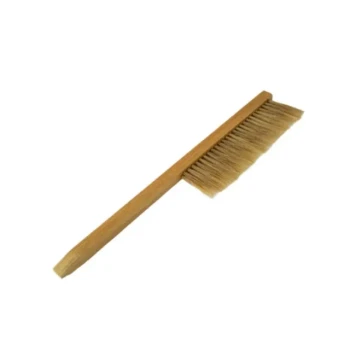
- Classic Wooden Bee Brush with Double-Row Boar Bristles
- Wholesales Dadant Size Wooden Bee Hives for Beekeeping
- Galvanized Beekeeping Smoker for Honey Bee and Apiculture
People Also Ask
- How does balancing the number of frames impact hive productivity? Optimize Your Apiary's Biological Output
- How do wooden and plastic hive frames compare in terms of durability? Wood vs. Plastic Longevity & Repairability
- What are the main considerations when choosing between wooden and plastic bee hive frames? Optimize Your Apiary's Efficiency
- How should beehive frames be maintained to prolong their lifespan? 5 Pro Tips for Durable Beekeeping Equipment
- What are frames and combs used for in beekeeping? The Foundation of Modern Hive Management