Professional apiary monitoring and maintenance tools are the front line of defense against pollinator decline because they provide the real-time data and physical infrastructure necessary for timely intervention. These tools enable beekeepers to mitigate the impacts of pesticide exposure, habitat loss, and pathogens like Varroa mites, ensuring the survival of colonies that sustain global agricultural productivity.
Core Takeaway: Professional tools transition apiary management from reactive to proactive, providing the precision data and standardized environments required to protect pollinator health and secure the commercial viability of pollination-dependent industries.
Precision Monitoring for Proactive Intervention
Real-Time Health Feedback and Environmental Stress
Professional monitoring tools offer instant visibility into the health status of a colony, allowing for immediate action against external pressures. By identifying signs of pesticide exposure or habitat loss early, beekeepers can relocate or supplement colonies before irreversible damage occurs. This data-driven approach is essential for maintaining the robust populations required for stable agricultural outputs like oilseeds and fruits.
Integrated Pest Management (IPM) and Disease Detection
High-precision tools allow for the quantitative monitoring of Varroa mite infestations, which is a primary driver of colony collapse. Identifying an infestation rate before it exceeds the 2% threshold allows for targeted remedial measures before the peak nectar flow begins. Regular inspections using professional equipment also facilitate early detection of brood diseases, preventing widespread contagion within the apiary.
Infrastructure and Ecological Stability
Creating Controlled Micro-Habitats
Managed apiaries utilize specialized hardware like hive stands and bait traps to provide stable nesting and overwintering environments. These structures shield pollinators from extreme climate fluctuations and the encroachment of agricultural expansion. Standardized hives further optimize the internal environment, reducing the energy bees must spend on thermoregulation and increasing their overall resilience.
Scientific Data Collection and Biodiversity
Professional collection tools enable the precise sampling of pollen and pollinators to monitor pesticide residues and pathogen levels. This provides the decisive data needed for researchers and governments to formulate large-scale biodiversity protection strategies. Accurate identification consumables also ensure that commercially valuable or native species are correctly distinguished, protecting local genetic diversity.
Commercial Efficiency and Product Quality
Optimizing Honey Yields and Purity
Modern beekeeping equipment is designed to maximize operational efficiency in both small-scale and commercial systems. High-frequency technical management, supported by specialized tools, is directly linked to higher honey yields and lower mortality rates. Furthermore, standardized collection processes minimize ecological disruption and ensure lower initial impurity levels in raw honey at the source.
Supply Chain Reliability for Distributors
For wholesalers and resellers, providing a full-spectrum portfolio of these tools is a critical service to the agricultural sector. Rapid response times and efficient order fulfillment are necessary because the window for intervention in a failing colony is often very narrow. Deep industry expertise allows distributors to guide customers toward the specific tools required for their local environmental stressors.
Understanding the Trade-offs
The Cost of Precision vs. Manual Methods
While professional tools offer superior data, they require a higher initial capital investment compared to traditional, manual beekeeping methods. Distributors must communicate the long-term ROI, as the cost of these tools is significantly lower than the economic loss of total colony collapse.
Complexity and Technical Training
Advanced monitoring equipment may introduce a technical learning curve for traditional beekeepers. Resellers should prioritize sourcing products that balance sophisticated data collection with user-friendly interfaces to ensure high adoption rates. Failure to provide adequate technical support can lead to the underutilization of expensive monitoring hardware.
Applying Professional Tools to Your Strategy
To effectively address pollinator decline while maintaining commercial viability, your sourcing and distribution strategy should align with the specific needs of the end-user.
- If your primary focus is agricultural stability: Prioritize a comprehensive range of standardized hives and hive stands that offer maximum protection against climate volatility.
- If your primary focus is disease management: Source high-precision sampling tools and diagnostic consumables that allow for the quantitative tracking of Varroa mites and pathogens.
- If your primary focus is maximizing commercial yield: Focus on modern collection tools that reduce impurities and technical management systems that increase honey production efficiency.
By providing the right technical tools with ultra-fast delivery, you empower beekeepers to protect the pollinators that are the foundation of our global food system.
Summary Table:
| Key Feature | Professional Tool Type | Impact on Pollinator Health |
|---|---|---|
| Health Monitoring | Precision Sensors & Sampling Tools | Early detection of pesticide stress and pathogen outbreaks. |
| Pest Management | Diagnostic Tools & IPM Equipment | Quantitative tracking of Varroa mites to prevent colony collapse. |
| Infrastructure | Standardized Hives & Durable Stands | Shields colonies from climate extremes and habitat loss. |
| Data Collection | Scientific Consumables | Provides decisive data for large-scale biodiversity protection. |
| Commercial Yield | Automated Filling & Extraction Machinery | Maximizes operational efficiency and ensures honey purity. |
Scale Your Apiary Supply Business with HONESTBEE
Empower your customers to combat pollinator decline with the industry's most reliable equipment. HONESTBEE caters to commercial apiaries and B2B distributors with a comprehensive one-stop sourcing solution. From specialized hive-making and honey-filling machines to a full spectrum of beekeeping tools and essential consumables, we provide the hardware needed for modern, proactive apiary management.
Why Partner with HONESTBEE?
- Comprehensive Portfolio: Full-spectrum products including hardware, machinery, and cultural merchandise.
- Operational Excellence: Ultra-fast delivery and efficient order fulfillment to meet seasonal demands.
- Expert Support: Deep professional industry expertise to help you optimize your inventory and margins.
- Rapid Response: Dedicated customer service tailored to the needs of wholesalers and resellers.
Contact us today to explore our wholesale offerings and secure your supply chain with premium beekeeping solutions.
References
- Haftom Gebremedhn, Tesfay Atsbha. Economic and nutritional value of insect pollination services in Ethiopia. DOI: 10.1038/s41598-025-19426-4
This article is also based on technical information from HonestBee Knowledge Base .
Related Products
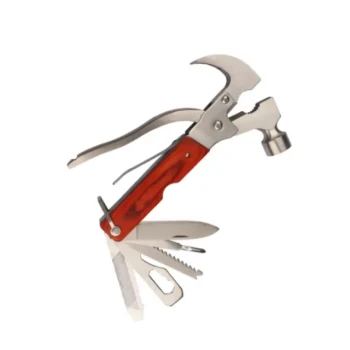
- HONESTBEE 15-in-1 Beekeeper Multi-Tool with Hammer and Pliers for Beekeeping
- Professional 600D Oxford Cloth Beekeeping Tool Bag with 8 Pockets and Elastic Loops
- Professional Grade Foldable Beehive Handles
- Professional Stainless Steel Pry-Bar Hive Tool
- HONESTBEE Professional Long Handled Hive Tool with Precision Cutting Blade
People Also Ask
- What is the recommended method for storing beekeeping tools? Expert Vertical Storage Solutions for Your Apiary
- How does a favorable microclimate interact with beekeeping tools? Boost Overwintering Success and Equipment Longevity
- Why is the treatment of beekeeping tools with high-concentration chemical disinfectants necessary for preventing AFB?
- Why are specialized beekeeping tools and consumables essential? Enhance Colony Management and Honey Yield Today
- How does the stable local supply of beekeeping tools affect technology adoption? Building Sustainable Apiaries