The establishment of managed apiaries and associated hardware is a critical infrastructure requirement for survival. These facilities do more than house insects; they provide stable nesting and overwintering environments that act as physical buffers against extreme climate shifts, agricultural expansion, and the destruction of natural habitats. Without this hardware, pollinator populations lack the necessary protection to withstand modern environmental pressures.
While natural habitats continue to shrink, managed apiaries serve as essential "micro-habitats" that actively protect pollinators. They function simultaneously as defensive barriers against environmental collapse and as scientific monitoring stations for tracking long-term ecosystem health.
Creating Stability in a Volatile Environment
Buffering Against Climate Extremes
Pollinators are increasingly vulnerable to erratic weather patterns. Managed apiaries provide stable overwintering environments that natural habitats often no longer offer.
By establishing hive stands and protective hardware, conservationists create a controlled shelter. This shields colonies from temperature extremes that would otherwise decimate wild populations.
Counteracting Habitat Destruction
Human activity, particularly agricultural expansion, drastically reduces natural nesting sites. Managed facilities serve as artificial micro-habitats to replace what has been lost.
These structures ensure that even in fragmented landscapes, pollinators have a secure location to establish colonies. This physical stability is the foundation of any conservation effort.
Ensuring Sustainable Population Growth
Safe Capture of Wild Genetics
Conservation relies on maintaining genetic diversity. Swarm trapping equipment, combined with specific lures, allows for the safe and efficient capture of local wild honeybee colonies.
This hardware enables the collection of locally adapted wild stock. It provides a cost-effective method to source populations that are already resilient to the local environment.
Converting Swarms to Managed Units
Once captured, wild colonies must be stabilized. Using professional transfer tools, conservationists can move wild colonies into managed beehives without sustaining damage.
This process converts a vulnerable swarm into a managed unit. It ensures the continuous renewal of the apiary population while protecting the physical integrity of the colony.
The Role of Engineering in Conservation
Precision Intervention Capabilities
Modern hardware effectively provides an artificial protective barrier for fragile colonies. Advanced systems allow for precise interventions against specific stressors, such as malnutrition or environmental toxins.
As global populations face structural decline, this engineering approach counteracts adverse effects. It safeguards the ecosystem services that are vital to agriculture.
Long-Term Ecological Monitoring
Beyond immediate protection, apiaries serve as essential ecological monitoring points. They provide a fixed location for data collection.
Hardware facilities enable systematic assessments of pollinator population health. This data is crucial for understanding long-term trends and validating the success of conservation strategies.
Understanding the Trade-offs
The Requirement of Active Management
Managed apiaries are not a "set and forget" solution. They require ongoing human intervention and maintenance of the associated hardware to remain effective.
Managing Artificial Dependency
While hardware buffers against climate change, it creates a level of dependency. These systems are mitigation tools, not a cure for the root causes of habitat loss.
Reliance on advanced hardware acts as a life-support system. It is necessary because the natural environment is currently too hostile to support these populations unaided.
Making the Right Choice for Your Goal
To implement a successful pollinator strategy, align your hardware investment with your specific conservation objectives:
- If your primary focus is Population Restoration: Prioritize swarm trapping hardware and transfer tools to safely integrate local wild genetics into protected environments.
- If your primary focus is Ecosystem Resilience: Invest in advanced protective hardware that allows for nutritional support and intervention against environmental stressors.
- If your primary focus is Research and Data: Design your apiary layout to serve as a systematic monitoring point, prioritizing accessibility and consistency for long-term assessment.
By integrating modern engineering with ecological principles, managed apiaries transform from simple shelters into robust command centers for species survival.
Summary Table:
| Strategic Element | Role in Conservation | Key Hardware/Benefit |
|---|---|---|
| Climate Buffering | Protects against weather extremes | Overwintering hardware & hive stands |
| Habitat Replacement | Counteracts urbanization/farming | Artificial micro-habitats (Managed Hives) |
| Genetic Preservation | Maintains local resilience | Swarm traps & lures |
| Ecosystem Monitoring | Tracks long-term health trends | Data-integrated apiary layouts |
| Population Recovery | Safe colony integration | Professional transfer tools & hive units |
Secure Your Apiary’s Success with HONESTBEE
At HONESTBEE, we understand that managed apiaries are the front line of environmental conservation. We cater to commercial apiaries and distributors by providing a comprehensive wholesale selection of industry-leading beekeeping tools and machinery.
From hive-making and honey-filling machines to specialized hardware and essential consumables, our portfolio is designed to enhance your operational efficiency and resilience. Whether you are restoring local populations or scaling commercial production, our team is ready to supply the professional-grade equipment you need to succeed.
Ready to scale your impact? Contact us today to discuss your wholesale needs and explore how our hardware can empower your beekeeping journey.
References
- Faith T. Mpondo, Anna C. Treydte. Balancing Bees and Livestock: Pastoralist Knowledge, Perceptions and Implications for Pollinator Conservation in Rangelands, Northern Tanzania. DOI: 10.1177/19400829211028127
This article is also based on technical information from HonestBee Knowledge Base .
Related Products
- HONESTBEE 15-in-1 Beekeeper Multi-Tool with Hammer and Pliers for Beekeeping
- HONESTBEE Professional Long Handled Hive Tool with Precision Cutting Blade
- Metal Bee Hive Stand Bee Box Stand for Beekeeping
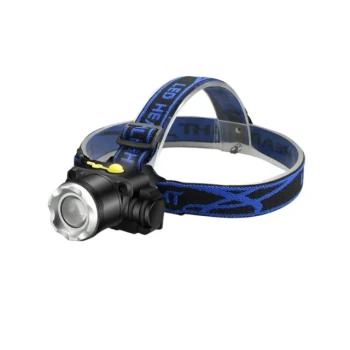
- Professional Rechargeable Beekeeping Headlamp Flashlight with Red Light Mode and Type-C Charging
- Ergonomic Plastic Frame Spacer Tool for Rapid Hive Management Beekeeping
People Also Ask
- What is the recommended method for storing beekeeping tools? Expert Vertical Storage Solutions for Your Apiary
- Why is the treatment of beekeeping tools with high-concentration chemical disinfectants necessary for preventing AFB?
- How does a favorable microclimate interact with beekeeping tools? Boost Overwintering Success and Equipment Longevity
- How do specialized beekeeping tools and high-specification protective equipment assist in colony health management?
- What role do specialized beekeeping tools play in pest management? Enhance Apiary Health with Precision Tech