The intensity of flavor in infused honey is dictated by two primary variables: the ratio of ingredients to honey and the length of the infusion period. By manipulating the quantity of your additives and strictly managing how long they remain in contact with the honey, you can precisely tune the final profile from a subtle background note to a dominant flavor.
Successful flavor control is less about a fixed recipe and more about active monitoring. Because ingredient potency varies, frequent tasting is the only way to ensure the infusion stops exactly when the desired intensity is reached.
The Levers of Control
Ingredient Quantity
The most immediate way to influence flavor strength is through the quantity of ingredients introduced to the honey. Increasing the ratio of spices, herbs, or peppers creates a more saturated flavor profile.
However, simply adding more ingredients does not always equal a better result. Overloading the honey can alter its texture or mask the delicate floral notes of the honey itself.
Duration of Infusion
Time acts as the second lever for flavor extraction. The longer the ingredients remain submerged, the more flavor compounds migrate into the honey.
This is not a linear process; flavor development can accelerate or plateau depending on the ingredient. Therefore, duration must be treated as a dynamic variable rather than a set timeframe.
Managing Ingredient Potency
Handling High-Potency Additives
Ingredients with aggressive flavor profiles, such as habanero peppers, require a significantly shorter infusion window. These ingredients release their compounds rapidly.
If left unchecked, high-potency additives can quickly overpower the honey, making it unpalatable. You must monitor these infusions closely to prevent the flavor from becoming harsh.
Handling Milder Spices
Milder ingredients, such as soft herbs or gentle warming spices, are more forgiving. They typically require a longer duration to impart a noticeable flavor.
For these ingredients, patience is key. Removing them too early often results in a weak, indistinguishable flavor profile.
Common Pitfalls to Avoid
Neglecting the Sampling Schedule
The biggest mistake in infusion is assuming a "set it and forget it" approach. You cannot rely solely on a timer.
Operators must taste the honey every one to two days. This frequency allows you to track the flavor's progression and arrest the process the moment it hits the target peak.
Inconsistent Ingredient Quality
It is important to note that natural ingredients vary in potency from batch to batch. A jalapeño used today may be hotter than one used last month.
This variability means that even if you keep the quantity and duration identical, the result may change. Active sampling mitigates this risk by allowing you to adjust the time based on the actual flavor present.
Making the Right Choice for Your Goal
To ensure your infused honey meets your specific standards, adjust your approach based on the ingredients you are using:
- If your primary focus is working with hot peppers (High Potency): Prioritize short infusion times and daily tasting to prevent the heat from becoming overwhelming.
- If your primary focus is using mild herbs (Low Potency): Be prepared to increase the quantity of ingredients and extend the duration to achieve a distinct flavor.
Control is achieved through observation; let your palate, not the clock, be the final decision-maker.
Summary Table:
| Factor | High-Potency Ingredients (e.g., Chilies) | Mild-Potency Ingredients (e.g., Herbs) |
|---|---|---|
| Quantity | Small amounts required to avoid overpowering | Larger volumes needed for distinct profiles |
| Duration | Short (hours to days); rapid extraction | Long (several days); slow migration |
| Sampling | Frequent (every few hours to daily) | Regular (every 1-2 days) |
| Risk | Can quickly become unpalatable/too spicy | Flavor may remain weak or indistinguishable |
Scale Your Infused Honey Production with HONESTBEE
Transitioning from experimental batches to commercial-scale honey infusion requires precision equipment and reliable supplies. At HONESTBEE, we empower commercial apiaries and distributors with the tools needed for excellence.
Our comprehensive wholesale range includes:
- Processing Machinery: Professional honey-filling and hive-making machines for efficient production.
- Beekeeping Hardware: A full spectrum of durable tools and essential equipment.
- Industry Consumables: Every item your apiary needs to maintain peak performance.
- Branding & Merchandise: Unique honey-themed cultural products to differentiate your brand.
Whether you are refining a signature spicy infusion or expanding your distribution network, our expertise and inventory are at your service. Contact HONESTBEE today to discuss how we can support your growth with high-quality wholesale beekeeping solutions.
Related Products
- Inverted Squeezable Honey Jar with No Drip Flip Top Cap for Easy Pouring
- Premium Diamond-Faceted Glass Honey Dispenser
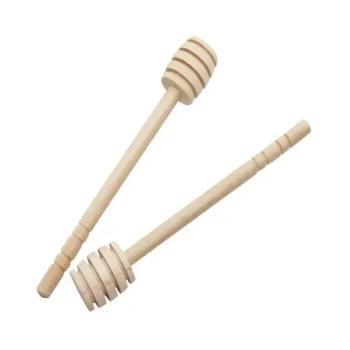
- Professional Plastic Honey Dipper for Easy Honey Drizzling
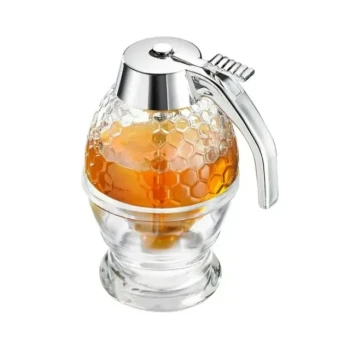
- Honeycomb Style Drip Free Honey Dispenser
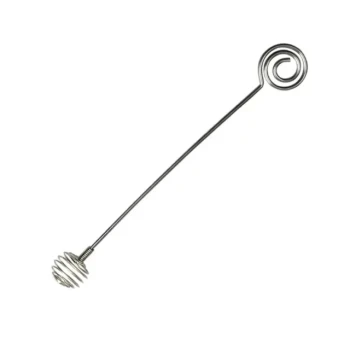
- Modern Stainless Steel Honey Dipper Stirrer
People Also Ask
- What are the benefits of squeeze bottles for honey packaging? Unlock Mess-Free Convenience & Control
- What are some common types of jars used for honey packaging? Choose the Best Styles to Boost Your Brand
- How many jars of honey can you get from a hive? Maximize Your Yield with Strong Hive Management
- What cleaning practices are crucial for the effective sealing of honey jars? Ensure Maximum Product Shelf Life
- Why is it important to distinguish between weight and volume when selecting honey containers? Maximize Profits Now