The installation of metal stands and physical barriers serves as the primary defensive perimeter for maintaining the biological security of an apiary. These structural components are necessary to physically isolate the colony from critical threats, specifically preventing ground-based predators like ants and honey badgers, as well as aerial threats like birds, from accessing the hive. By neutralizing these external pressures, you directly mitigate the risk of colony absconding and ensure the continuity of honey production.
Physical barriers and elevation are not merely structural conveniences; they are essential bio-security controls. By severing the path between soil-borne pests and the hive, these measures protect the colony from harassment and environmental decay, ensuring the long-term viability of the operation.
The Role of Predator Exclusion
Defending Against Ground-Based Threats
The primary technical function of metal stands is to elevate the beehive, creating a vertical gap that ground predators cannot easily bridge.
Without this elevation, hives are vulnerable to direct infiltration by soil-borne pests such as ants and rodents. In many regions, larger predators like honey badgers pose a catastrophic threat to colony survival; metal stands provide a sturdy infrastructure that makes the hive difficult to tip or access.
Deterring Aerial Attacks
While stands protect the base, physical barriers such as protective nets are necessary to secure the airspace around the apiary.
These barriers are specifically designed to stop birds and other flying predators from swooping down on foraging bees or the hive entrance. Establishing this perimeter reduces the predation rate of worker bees, preserving the colony's workforce strength.
Environmental Stability and Infrastructure Protection
Preventing Moisture Damage
Beyond predator control, metal stands serve a critical preservation role by preventing the bottom of the beehive from making direct contact with damp soil.
Wood that sits directly on the ground absorbs moisture, leading to rot, fungal growth, and a compromised hive structure. By elevating the hive on metal supports, you ensure a dry internal environment and significantly extend the service life of wooden hive components.
Reducing Colony Absconding
Colony absconding—where the entire bee population abandons the hive—is frequently triggered by persistent pest harassment or uncomfortable environmental conditions.
When a colony is constantly fighting off ants or dealing with damp conditions, their stress levels rise until they flee to find a safer location. By using barriers to eliminate this harassment, you remove the primary biological triggers for absconding, stabilizing your apiary's population.
Understanding the Trade-offs
Initial Investment vs. Long-Term Gain
Implementing metal stands and high-quality netting requires a higher upfront capital expenditure compared to placing hives on simple blocks or the ground. However, this cost must be weighed against the potential for total colony loss or the replacement costs of rotted wooden ware.
Maintenance of the Barriers
Physical barriers introduce a new maintenance requirement to the apiary workflow. Metal stands may require treatment to prevent rust in humid climates, and protective nets must be inspected regularly for tears that could breach the defensive perimeter.
Making the Right Choice for Your Goal
To maximize the effectiveness of your apiary infrastructure, assess your specific environmental risks:
- If your primary focus is preventing colony loss: Prioritize metal stands with oil cups or grease barriers to make ant infiltration physically impossible.
- If your primary focus is equipment longevity: Ensure your stands provide at least 12-18 inches of elevation to keep wooden ware completely isolated from ground moisture and splash-back.
Invest in your defensive infrastructure today to secure the production continuity of your apiary for the future.
Summary Table:
| Protective Measure | Primary Benefit | Specific Threat Addressed |
|---|---|---|
| Metal Stands | Elevation & Isolation | Ants, rodents, honey badgers, and ground moisture |
| Physical Barriers/Nets | Airspace Security | Birds and aerial predators targeting foraging bees |
| Oil Cups/Grease | Chemical-Free Barrier | Crawling insects and persistent ant infestations |
| 12-18" Elevation | Structural Longevity | Wood rot, fungal growth, and ground-splash decay |
Secure Your Apiary’s Success with HONESTBEE
Don't let predators and environmental decay compromise your commercial honey production. At HONESTBEE, we specialize in providing high-performance infrastructure for commercial apiaries and distributors. From heavy-duty metal stands and protective barriers to honey-filling machines and specialized hive-making equipment, our comprehensive wholesale portfolio is designed to maximize your efficiency and colony stability.
Ready to upgrade your operation? Contact our expert team today to access premium beekeeping tools and machinery tailored for large-scale success.
References
- Teklu Gebretsadik, Dinku Negash. Honeybee Production System, Challenges And Opportunities In Selected Districts Of Gedeo Zone, Southern Nation, Nationalities And Peoples Regional State, Ethiopia. DOI: 10.5281/zenodo.846641
This article is also based on technical information from HonestBee Knowledge Base .
Related Products
- Metal Bee Hive Stand Bee Box Stand for Beekeeping
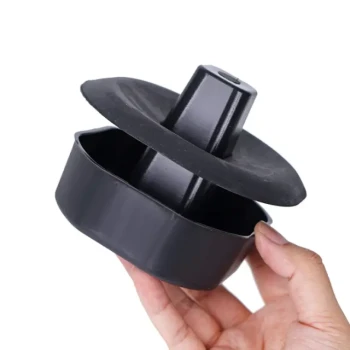
- Metal Hive Feet Bee Hive Stand for Ant Protection
- Durable Galvanized Steel Frame Grip
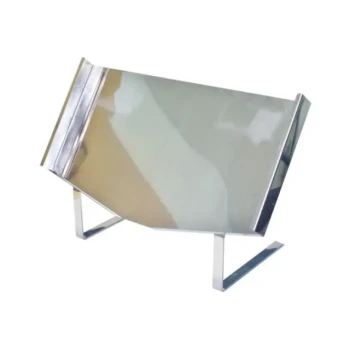
- Minimalist Stainless Steel Honeycomb Display Stand
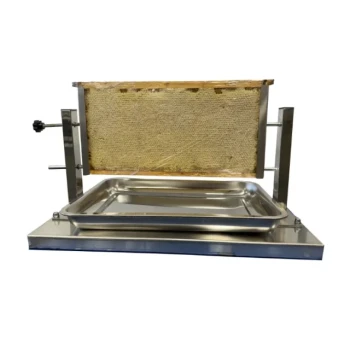
- Professional Adjustable Stainless Steel Honeycomb Display Stand
People Also Ask
- What height should a bee hive stand be? Optimize for Your Back and Hive Health
- What are the potential risks of plastic bee hive stands? Avoid Structural Failure in Your Apiary
- What are the essential technical specifications for a high-quality bee hive stand? Maximize Stability and Hive Safety
- What are the benefits of elevating a bee hive with a stand or base? Protect Your Colony and Your Back
- Why are specialized beehive stands or protective barriers necessary for pest management in apiaries? Secure Your Colony