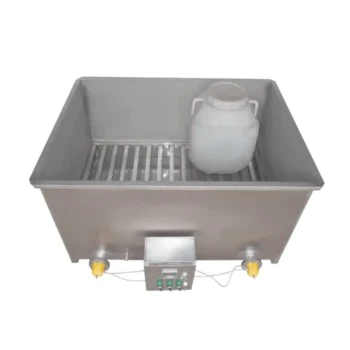
The selection of high-specification metal containers is dictated by the chemical acidity of honey. When acidic bee products come into contact with standard metals lacking proper surface treatment, they induce physicochemical reactions that accelerate the formation of 5-Hydroxymethylfurfural (HMF). High-grade industrial stainless steel is required to provide the chemical inertness necessary to prevent this degradation and ensure the product remains safe for commercial and pharmaceutical use.
Core Takeaway Honey is an acidic substance that actively corrodes low-quality metals, triggering chemical changes that ruin product quality. Using corrosion-resistant, high-specification stainless steel is the only way to prevent the rapid spike of HMF levels, a critical marker that regulators use to determine if honey is spoiled or heat-damaged.
The Chemistry of Interaction
The Acidity Factor
Honey is naturally acidic. If processed or stored in metal equipment that lacks chemical inertness or proper surface treatment, the acidity will react with the container walls.
Accelerating HMF Formation
This reaction between the acidic honey and reactive metal accelerates the production of 5-Hydroxymethylfurfural (HMF). HMF is the primary chemical indicator used to assess freshness and quality; elevated levels suggest the honey has suffered heat damage or chemical adulteration.
Preventing Physicochemical Reactions
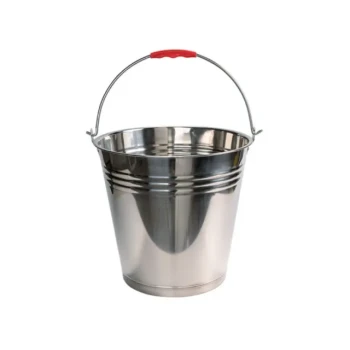
High-specification containers, typically corrosion-resistant stainless steel, neutralize this risk. They provide a stable barrier that prevents the physicochemical reactions responsible for spoiling the honey's molecular structure.
Commercial and Safety Implications
Ensuring Pharmaceutical Safety
For bee products intended for pharmaceutical use, purity is non-negotiable. Low-grade metals can leach substances into the product, compromising its safety profile. High-grade containers ensure that no foreign chemical substances migrate into the honey.
Standardizing Shelf Life
Industrial-grade processing equipment allows for hygienic sealing and automated handling. This standardization is critical for maintaining biological activity and extending shelf life as production scales from community levels to high-value commercial brands.
Broader Preservation Context
Moisture Control
While metal quality dictates chemical stability, the sealing capability of the container is equally vital. Honey is hygroscopic, meaning it absorbs moisture from the air, which can lead to dilution and fermentation. High-spec metal containers must feature airtight seals comparable to glass or high-quality plastics to prevent this.
Protection from External Elements
Just as dark glass protects phenolic compounds from light, industrial metal containers offer total light exclusion. This protects antioxidant bioactive ingredients from photo-degradation, preserving the medicinal value of the product during long-term bulk storage.
Understanding the Trade-offs
Cost vs. Integrity
High-specification stainless steel represents a significant upfront capital investment compared to standard food-grade plastics or lower-grade metals. However, this cost is a mandatory insurance policy against spoilage and regulatory rejection due to high HMF levels.
Visibility Limitations
Unlike glass or certain plastics, metal containers are opaque. Operators cannot visually inspect the product for crystallization or clarity without opening the vessel or using secondary sampling ports, potentially exposing the product to air.
Making the Right Choice for Your Goal
To select the appropriate storage solution, assess your primary objective:
- If your primary focus is bulk processing and long-term storage: Prioritize corrosion-resistant stainless steel to prevent acidity-driven reactions and control HMF levels.
- If your primary focus is preventing fermentation: Ensure your metal equipment features hermetic sealing to block atmospheric moisture absorption.
- If your primary focus is pharmaceutical compliance: Select equipment with certified surface treatments to guarantee zero chemical migration and total inertness.
Ultimately, the integrity of the container determines the longevity of the chemistry inside; low-grade metal turns a high-value asset into a liability.
Summary Table:
| Feature | High-Spec Stainless Steel | Standard/Low-Grade Metal | Impact on Honey Quality |
|---|---|---|---|
| Chemical Inertness | High (Corrosion-resistant) | Low (Reactive) | Prevents acidic degradation and leaching |
| HMF Control | Stable/Slow Formation | Accelerated Production | Low HMF levels signify freshness and safety |
| Sealing Capability | Hermetic/Airtight | Often Inconsistent | Prevents moisture absorption and fermentation |
| Light Protection | 100% Opacity | Varies | Preserves antioxidant and bioactive ingredients |
| Usage Suitability | Pharmaceutical & Bulk Commercial | Limited/Short-term | Ensures long-term product shelf-life |
Secure Your Honey Purity with HONESTBEE
Don't let low-grade equipment turn your high-value bee products into a regulatory liability. At HONESTBEE, we specialize in providing commercial apiaries and distributors with professional-grade, corrosion-resistant stainless steel solutions.
From industrial honey-filling machines to specialized hive-making hardware, our comprehensive wholesale portfolio is designed to protect your product's chemical integrity. We offer:
- High-grade machinery designed for chemical inertness.
- Essential industry consumables that meet strict safety standards.
- End-to-end equipment supply to scale your production from bulk storage to commercial retail.
Contact us today to discover how HONESTBEE can enhance your processing efficiency and safeguard your honey's biological activity!
References
- TOXIC RISKS ASSOCIATED WITH APITHERAPY PRODUCTS. DOI: 10.34302/crpjfst/2022.14.1.12
This article is also based on technical information from HonestBee Knowledge Base .
Related Products
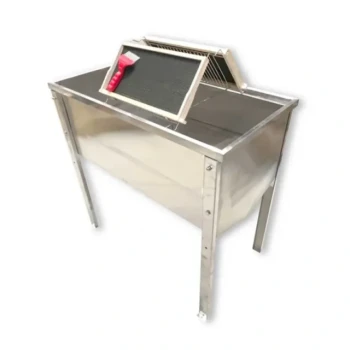
- Stainless Steel Honey Storage Tank with Lid for Honey
- Stainless Steel Honey Storage and Settling Tank with Double Strainer
- Stainless Steel Honey Tank Stand for Honey Storage
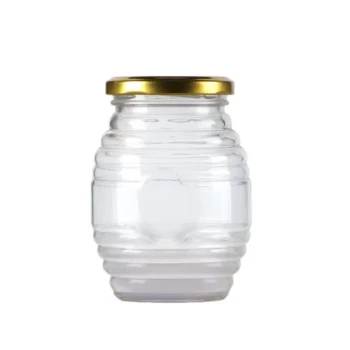
- Classic Glass Honey Jar with Metal Lug Cap for Beehive Storage
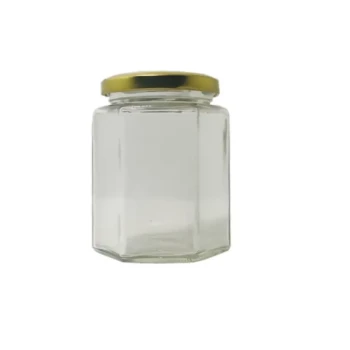
- Hexagonal Glass Honey Jars with Metal Lug Caps Elegant Versatile Packaging
People Also Ask
- What economic role do honey storage tanks play? Boost Your Revenue Through Strategic Inventory Management
- What roles do industrial honey storage tanks and filtration meshes play in processing? Ensure Purity & Consistency
- What is the purpose of a honey storage tank? Streamline Your Honey Processing for Quality & Efficiency
- What are honey storage tanks used for? Essential Features for Quality Preservation and Profit
- How do large honey storage tanks and gravity fall filling systems improve honey packaging efficiency and safety?